Thur 17 Dec 2020
Why this experience impacted me:
The experience impacted me because it just felt so right and because we were the first cohort to ever name ourselves. I had been burning to give our affiliate a new name since the Ako Mātātupu C19 graduation event. I just did not like C21. It sounded like one of the metal elements on the periodic table. It was devoid of any mauri or ihi for me.
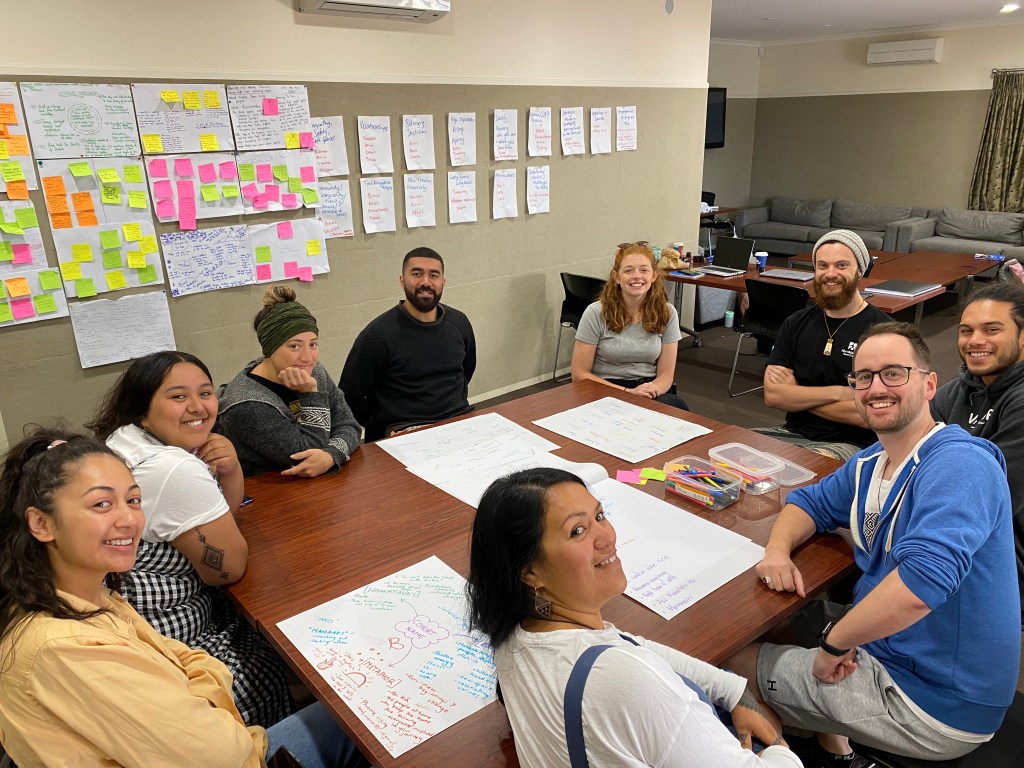
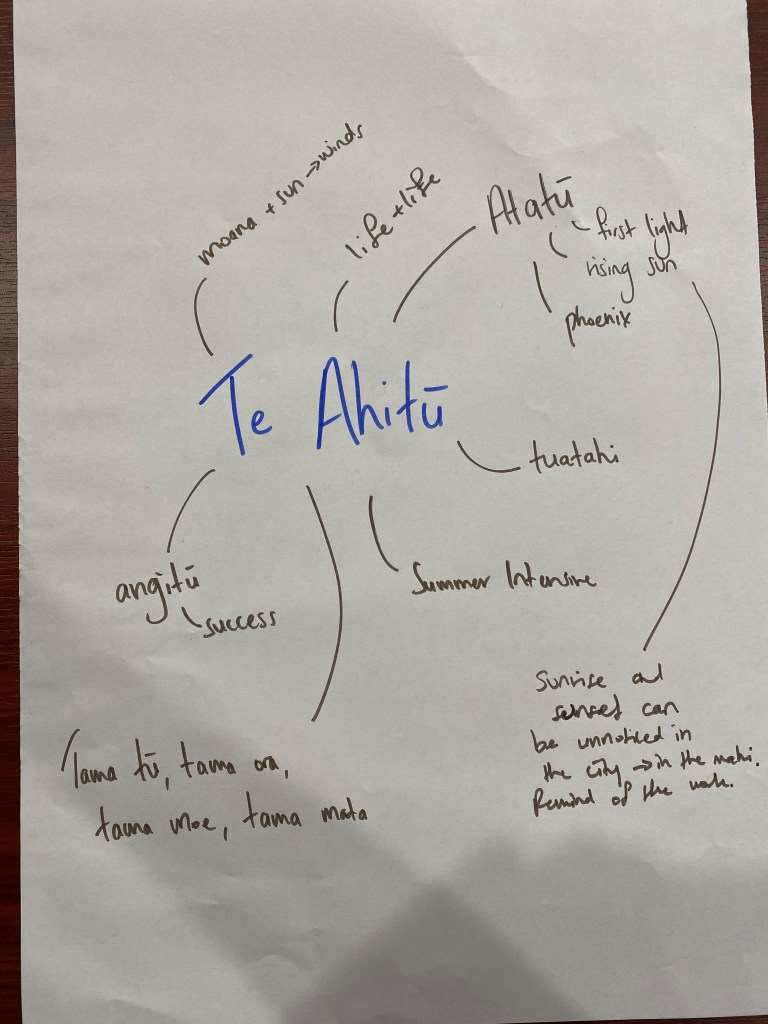
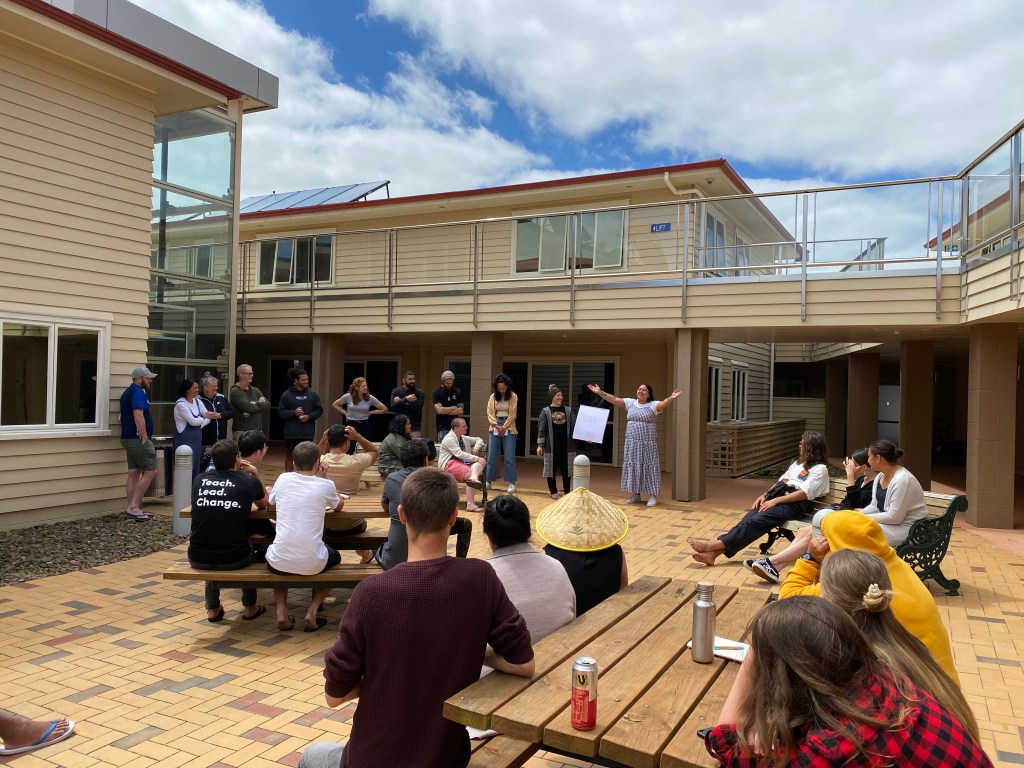
I had seen an opportunity one day and discussed my idea with Jeremy. He was just as excited as I was. The following day, all the kāhui hāpai got into breakout groups and brainstormed all of the kupu and memories that reminded us of their time at Summer Intensive. These were then gathered up by the group leaders and brought to the ‘knights table’ where we debated, discussed, and chose what felt right. The result was the name Te Ahitū!
The meaning behind our name
Te ahi – because the fire gathers us together and invites us all into its warmth. The fire is where conversations and stories are told, where memories are shared and made. We all felt that we were thrown from the pan and into the fire, meaning the Summer Intensive was intensive.
Tū – because of the tū in the whakataukī: tama tū, tama ora, tama moe, tama mate. This proverb is used here to mean that we do not intend to sit on our laurels while our marginalised youth fall into the cracks. We stand to fight for them, to have their backs.
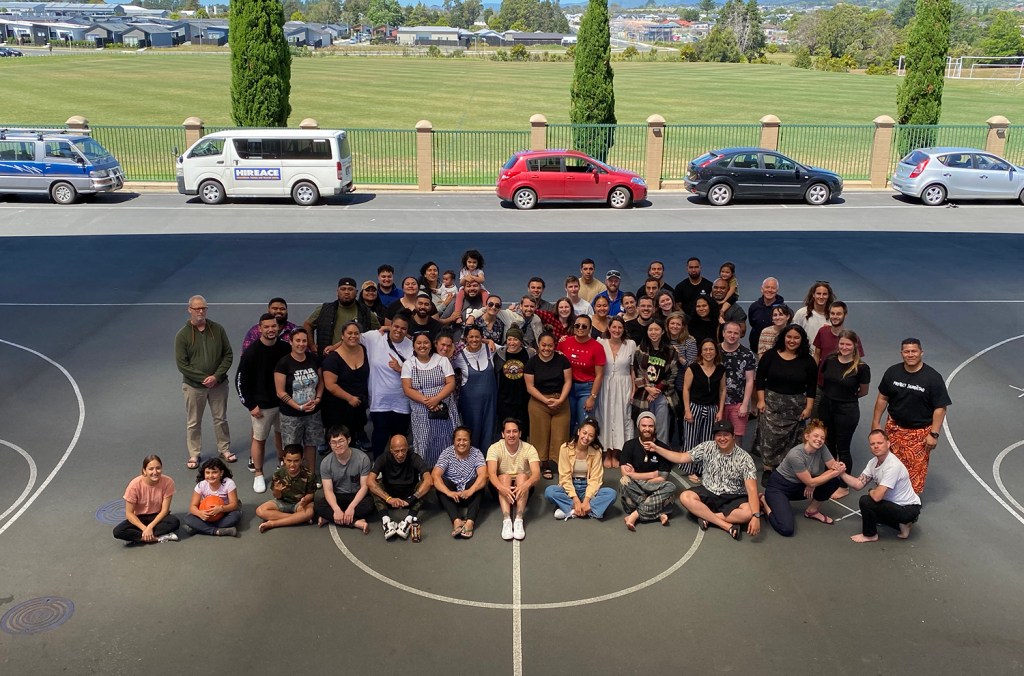
Te Ahitū – when both kupu were put together, we came up with Te Ahitū, which was our spin on ‘te angitū’ (success) and ‘te atatū’ (the first dawn). Te Ahitū also refers to our cohort being the first to be taught by Ako Mātātupu as a teacher education institution independent of Mind Lab.

What I learned and will take into my classroom:
In my classroom practice, I will incorporate this cooperative and co-constructive method employed by our wonderful Jeremy into how I interact and teach my lessons.
Standards and Competencies
| Standard / Competency | A student teacher |
| Standard 1: Te Tiriti o Waitangi partnership Demonstrate commitment to tangata whenuatanga and Te Tiriti o Waitangi partnership in Aotearoa New Zealand. | – Understand and recognise the unique status of tangata whenua in Aotearoa New Zealand. – Understand and acknowledge the histories, heritages, languages and cultures of partners to Te Tiriti o Waitangi. – Practise and develop the use of te reo and tikanga Māori. |
| Standard 4: Learning-focused culture Develop a culture that is focused on learning, and is characterised by respect, inclusion, empathy, collaboration and safety. | – Develop learning-focused relationships with learners, enabling them to be active participants in the process of learning, sharing ownership and responsibility for learning. – Foster trust, respect, and cooperation with and among learners so that they experience an environment in which it is safe to take risks. – Demonstrate high expectations for the learning outcomes of all learners, including for those learners with disabilities or learning support needs. – Create an environment where learners can be confident in their identities, languages, cultures and abilities. – Develop an environment where the diversity and uniqueness of all learners are accepted and valued. |
| Tātaiako: Whanaungatanga Actively engages in respectful working relationships with Māori learners, parents and whānau, hapū, iwi and the Māori community. | – Can describe from their own experience how identity, language and culture impact on relationships. |
| Tātaiako: Manaakitanga Demonstrates integrity, sincerity and respect towards Māori beliefs, language and culture. | – Values cultural difference. – Demonstrates an understanding of core Māori values such as: manaakitanga, mana whenua, rangatiratanga. – Shows respect for Māori cultural perspectives and sees the value of Māori culture for New Zealand society. – Is prepared to be challenged, and contribute to discussions about beliefs, attitudes and values. – Has knowledge of the Treaty of Waitangi and its implications for New Zealand society |
| Tātaiako: Tangata Whenuatanga: Arms Māori learners as Māori – provides contexts for learning where the identity, language and culture (cultural locatedness) of Māori learners and their whānau is armed. | – Knows about where they are from and how that informs and impacts on their own culture, values and beliefs |
| Tātaiako: Wānanga Participates with learners and communities in robust dialogue for the benefit of Māori learners’ achievement. | – Demonstrates an open mind to explore differing views and reflect on own beliefs and values. – Shows an appreciation that views which differ from their own may have validity. |
| Tataiako: Ako Takes responsibility for their own learning and that of Māori learners | – Recognises the need to raise Māori learner academic achievement levels. – Is willing to learn about the importance of identity, language and culture (cultural locatedness) for themselves and others. – Can explain their understanding of lifelong learning and what it means for them. Positions themselves as a learner. – Positions themselves as a learner. |
| Tapasā Turu 1: Identities, languages and cultures Demonstrate awareness of the diverse and ethnic-specific identities, languages and cultures of Pacific learners. | 1.1 Understands his or her own identity and culture, and how this influences the way they think and behave. 1.2 Understands the importance of retention and transmission of Pacific identities, languages and cultural values. 1.3 Is aware of the diverse ethnic-specific differences between Pacific groups and commits to being responsive to this diversity. 1.4 Understands that Pacific world-views and ways of thinking are underpinned by their identities, languages and culture. |
| Tapasā Turu 2: Collaborative and respectful relationships and professional behaviour Establishes and maintains collaborative and respectful relationships and professional behaviours that enhance learning and wellbeing for Pacific learners. | 2.1 Understands his or her worldviews and ways of building relationships differ from those of Pacific learners 2.2 Understands that there are different ways to engage and collaborate successfully with Pacific learners, parents, families and communities. 2.3 Is aware of the importance of respect, collaboration and reciprocity in building strong relationships with Pacific learners, their parents, families and communities. |
| Tapasā Turu 3: Effective Pacific pedagogies Implements pedagogical approaches that are effective for Pacific learners. | 3.1 Recognises that all learners including Pacific are motivated to engage, learn and achieve. 3.2 Knows the importance of Pacific cultural values and approaches in teaching and learning. |
 Te Kōpaki a Ruiha Epiha