Observation of a Māori Youth Initiative |
6 August – 27 September, 2022
The Kaupeka programme is a Māori Youth initiative run by Ruapōtaka and has provided my ākonga the opportunity to learn skills that I cannot teach them (e.g., mau rākau, tītī tōrea, tī rākau, rongoā, etc). Traditional games and Māori weaponry will be taught by Matua Haven (Te Rarawa, Ngāti Rangiwewehi) and Matua Tūmanako (Waikato/ Tainui, Ngāti Maniapoto), who are experts from our community. I hope that our ākonga will take these skills and learnings and use them during Matariki and Te Wiki o te Reo Māori celebrations. I also intend to work closely with Ruapōtaka marae to help design and refine the programme so that it can benefit future ākonga who come through the programme.
Away School Visit #6
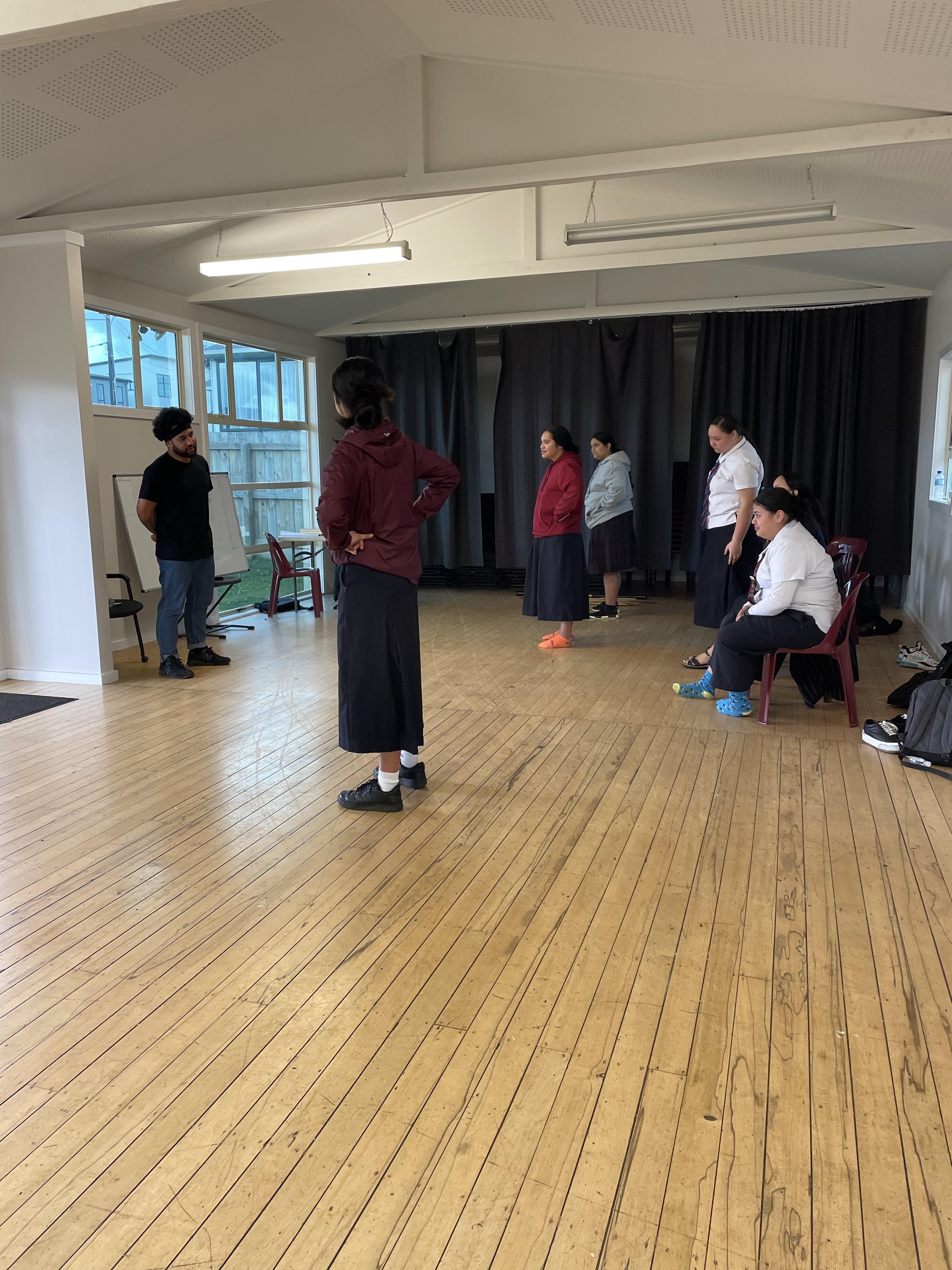
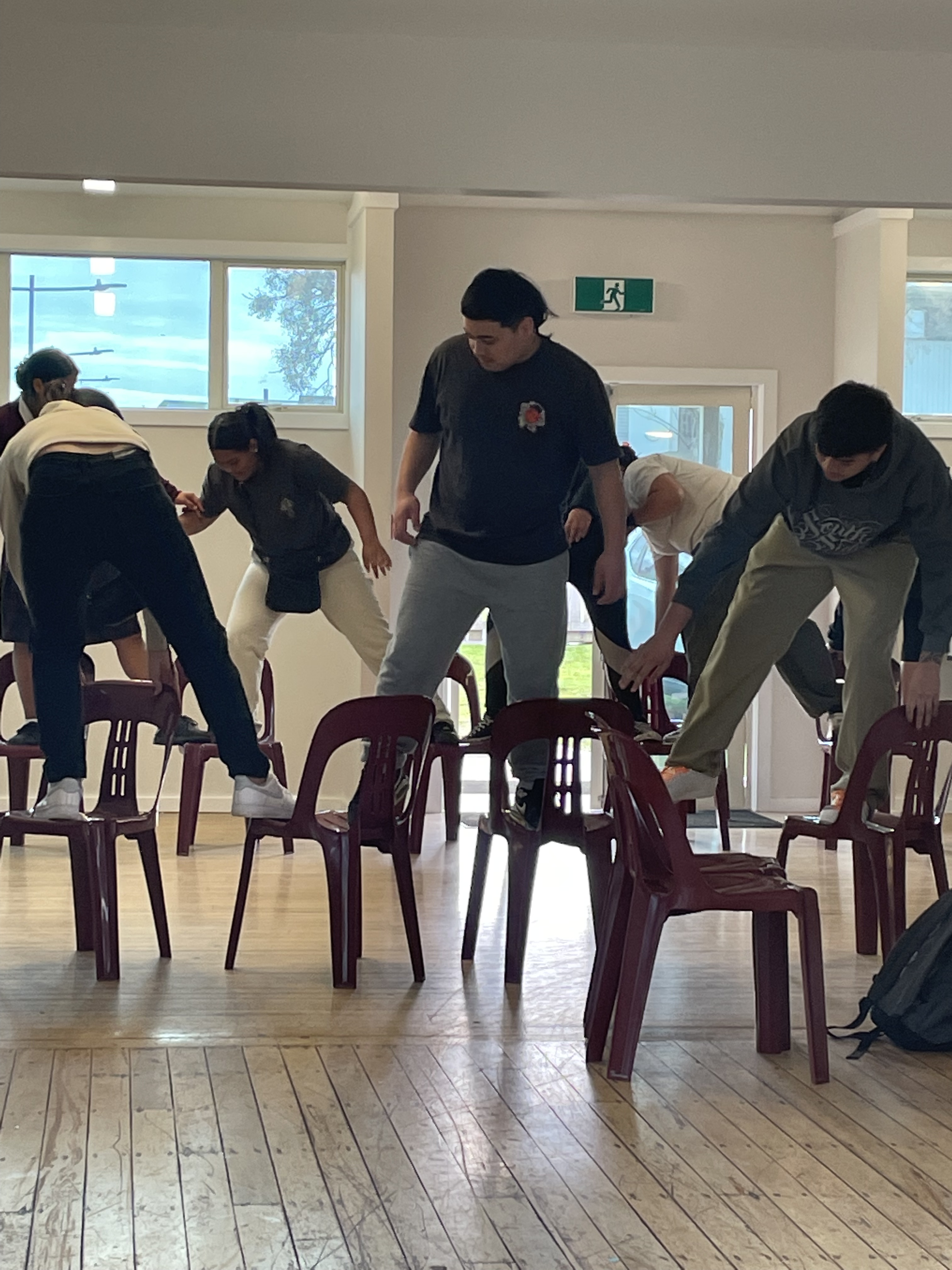
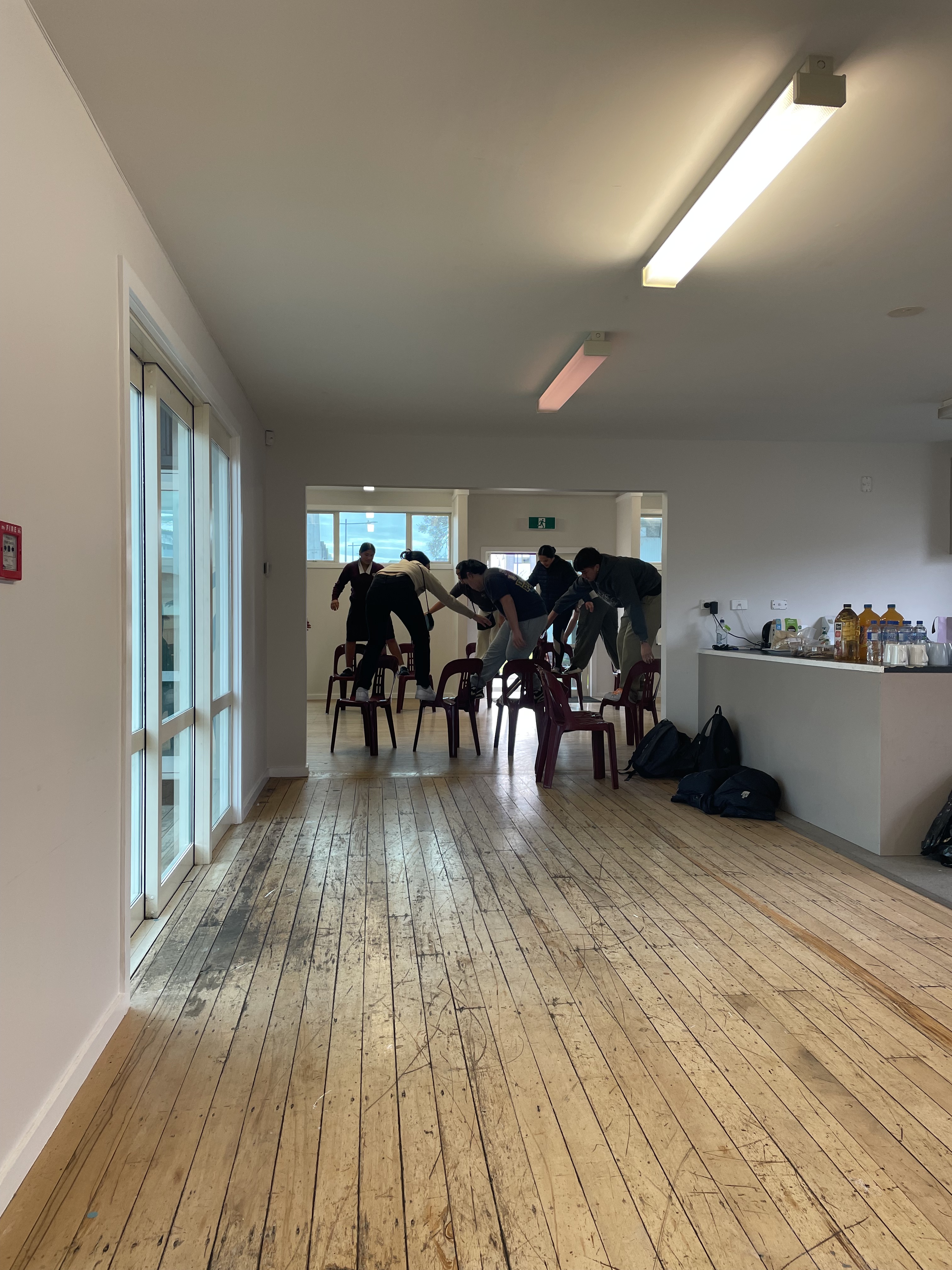
Rātū 6 Hereturikōkā
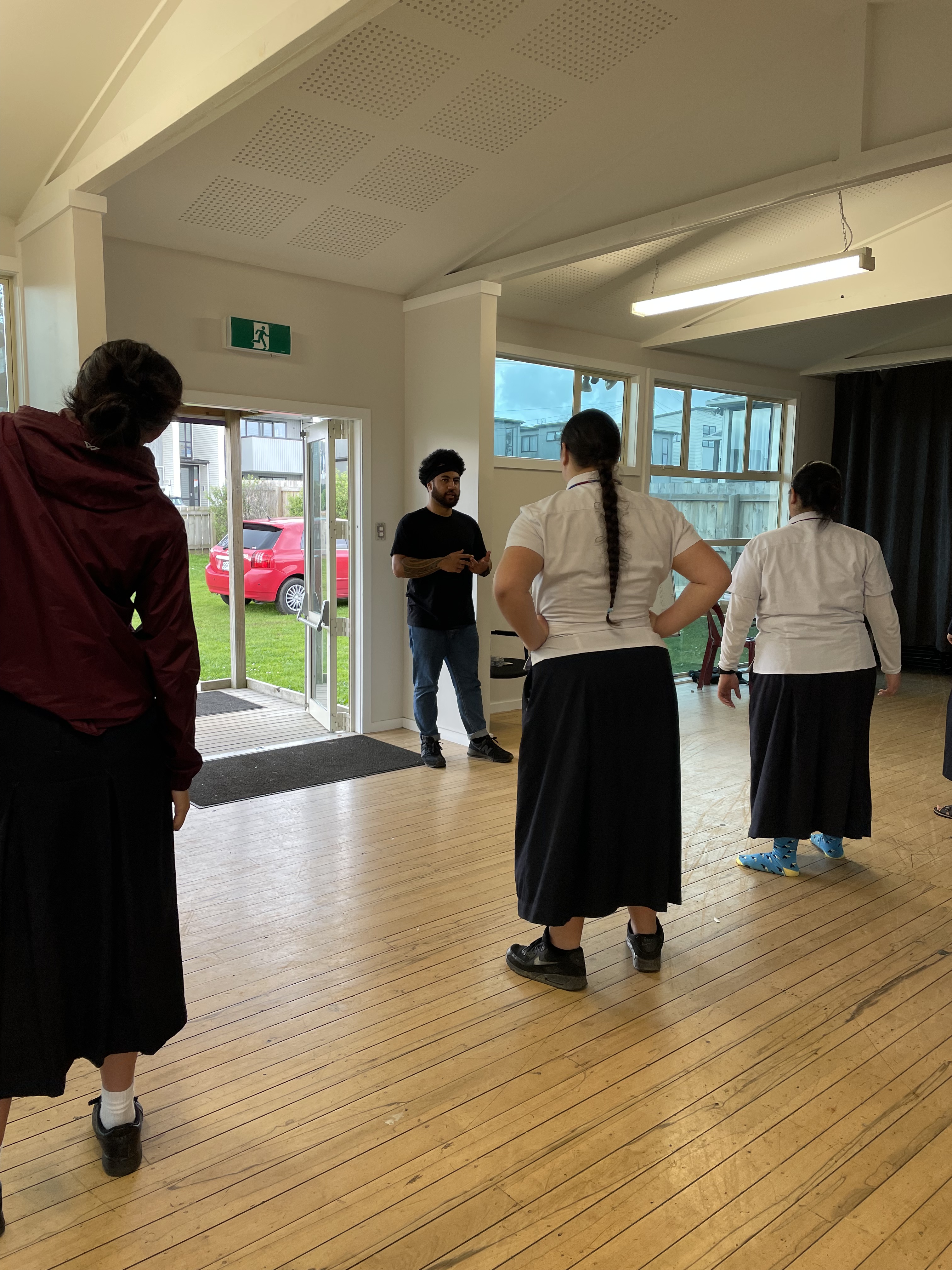
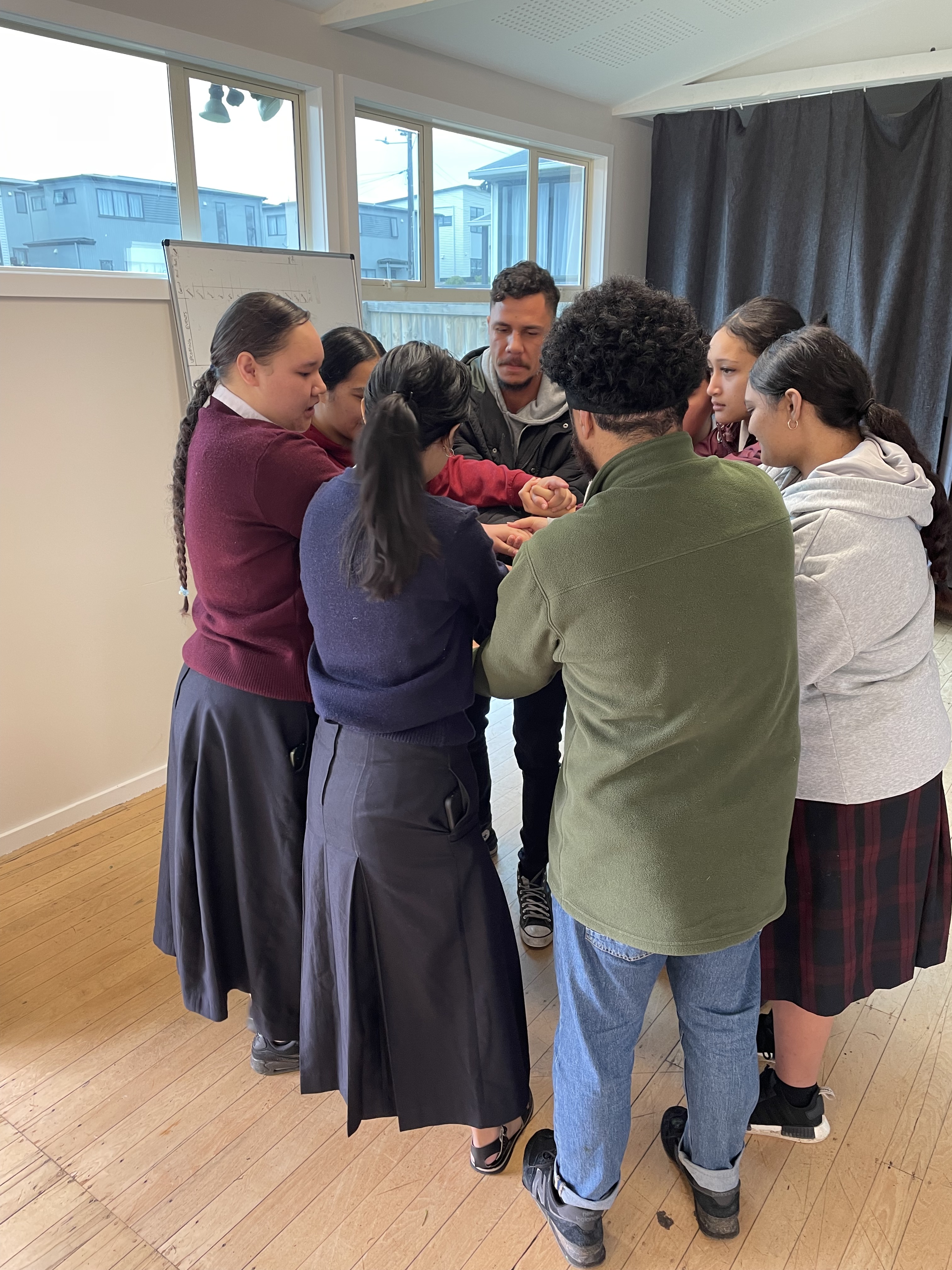
Today’s programme was
- Arrived at Te Whare Piringa in Fenchurch for whakatau
- Whakawhanaungatanga
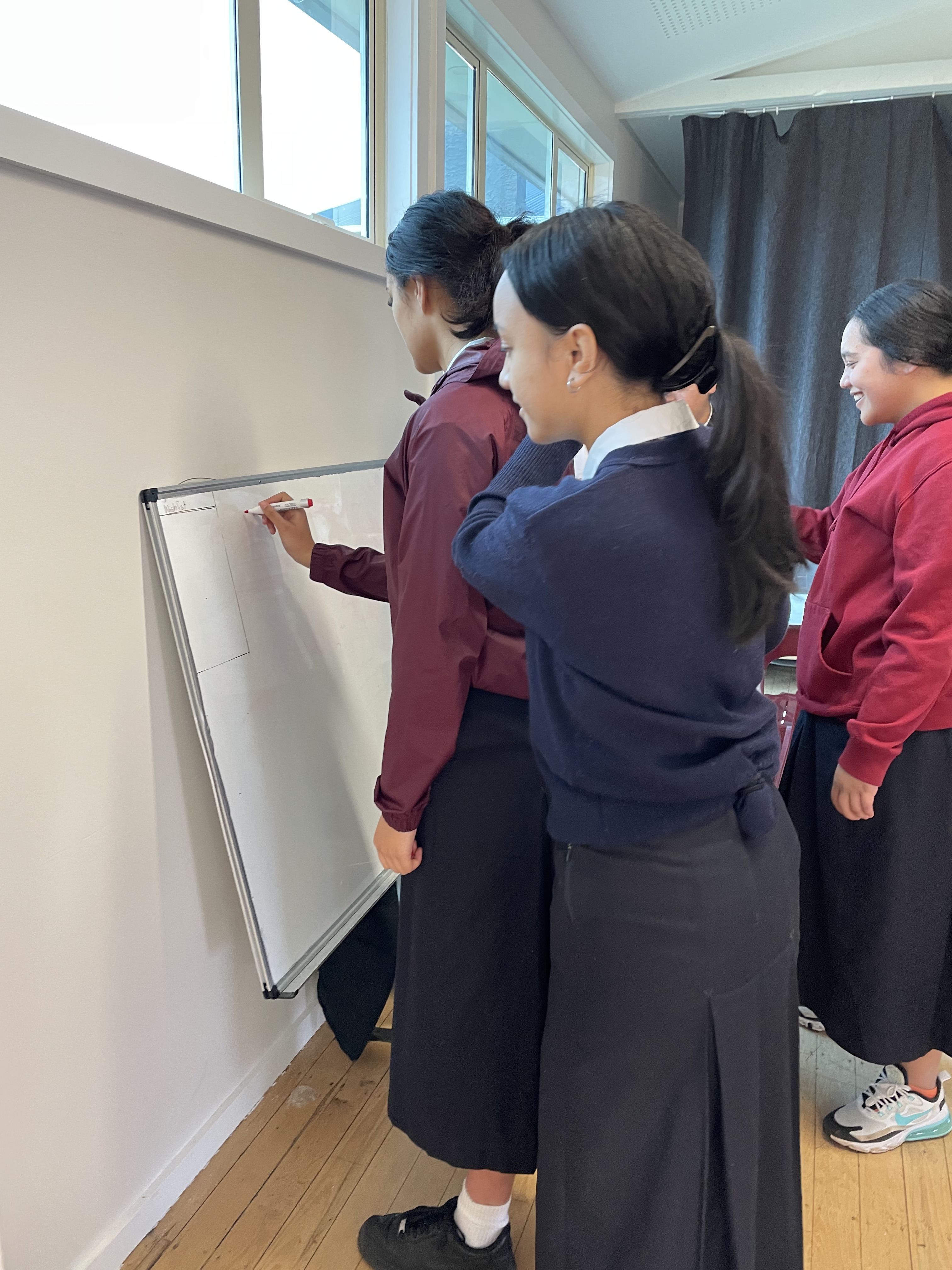
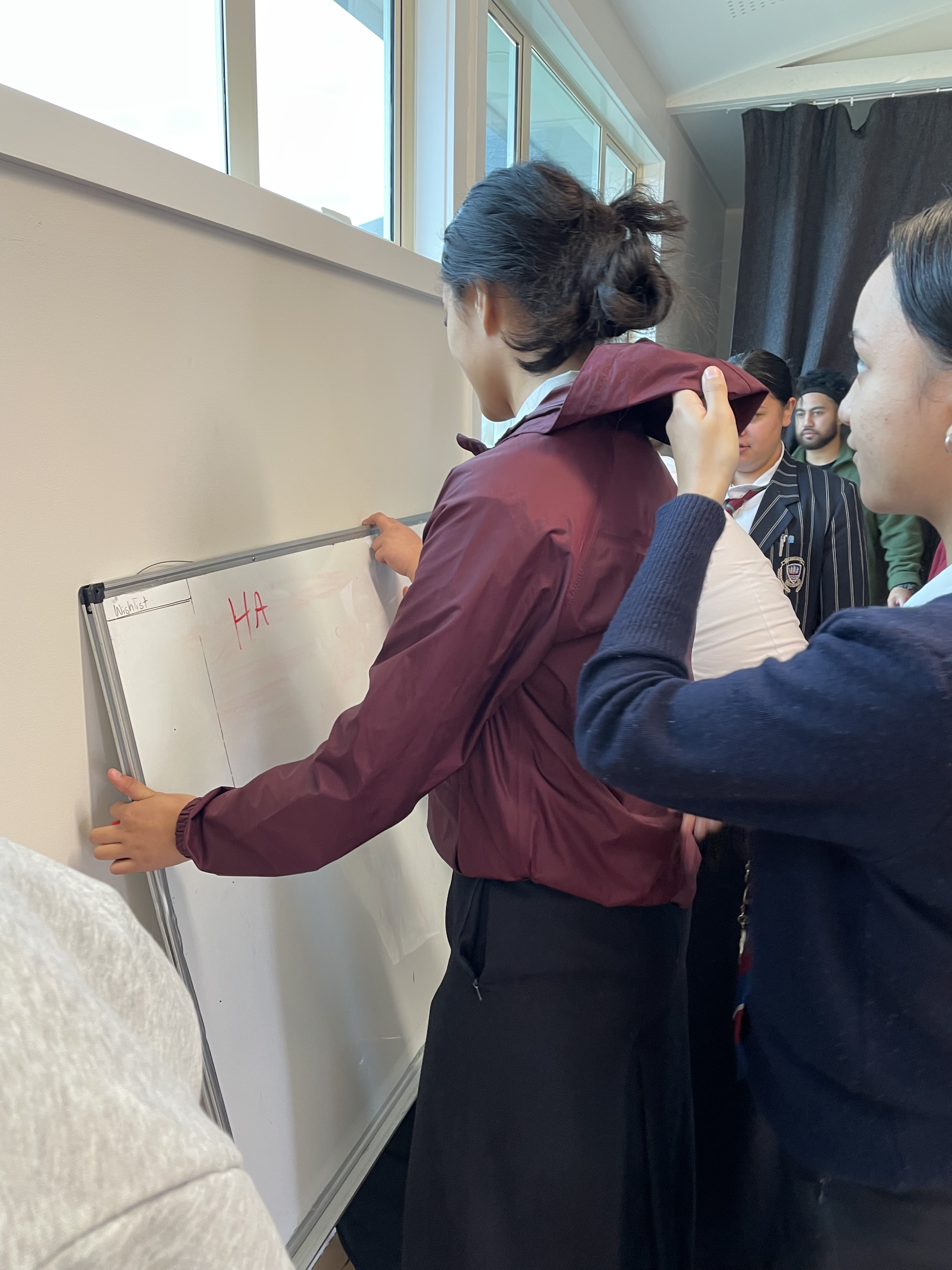
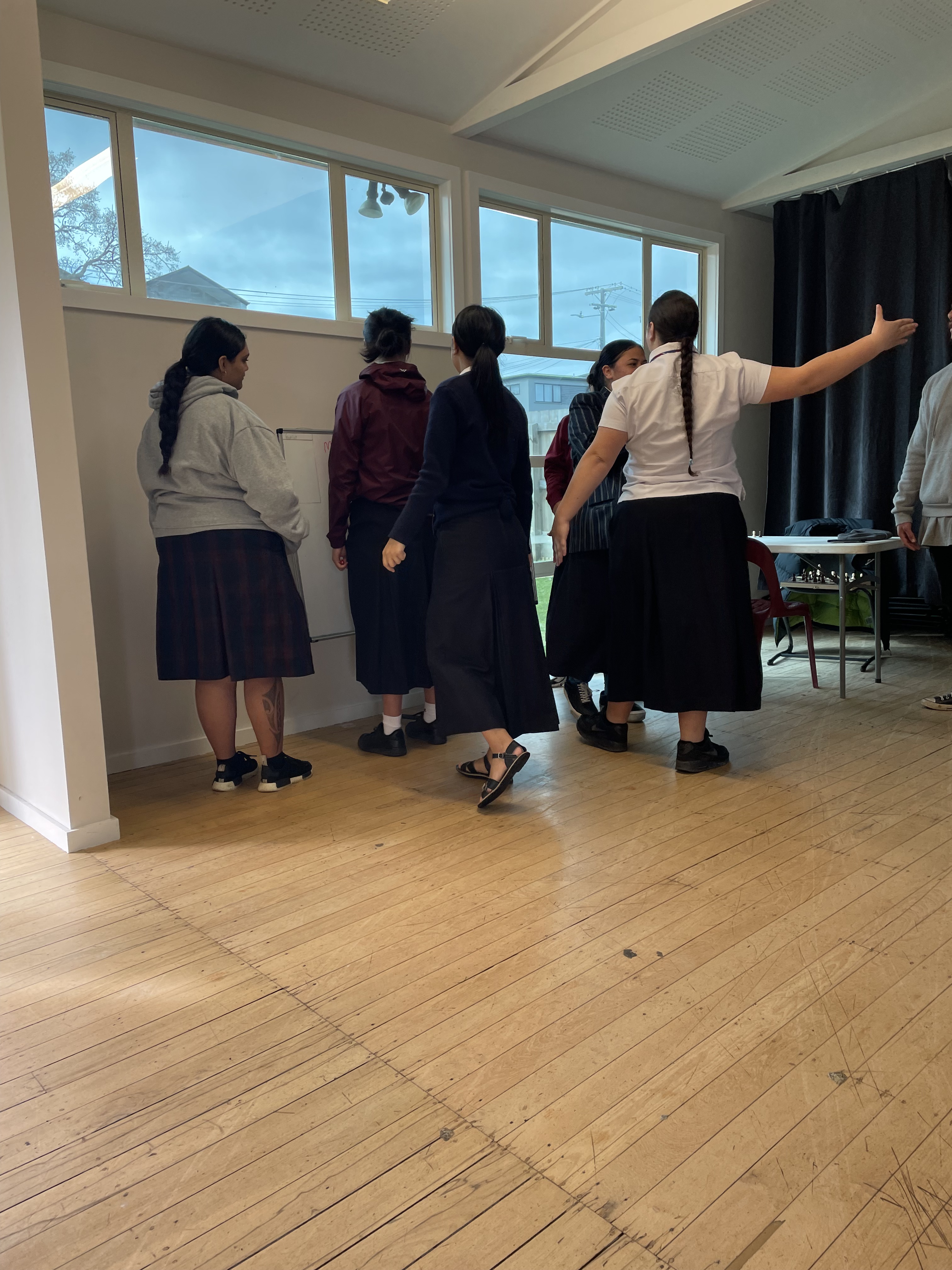
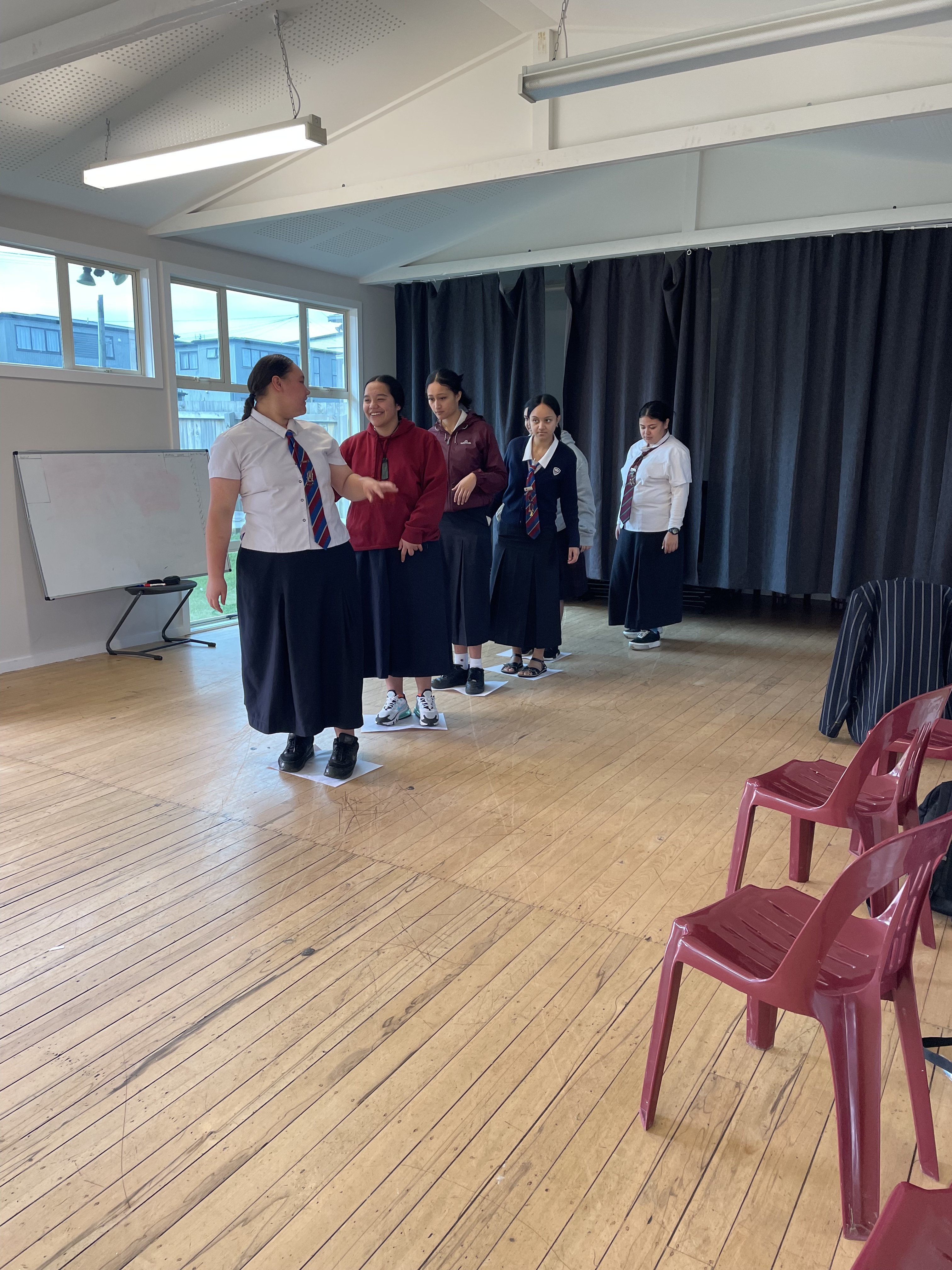
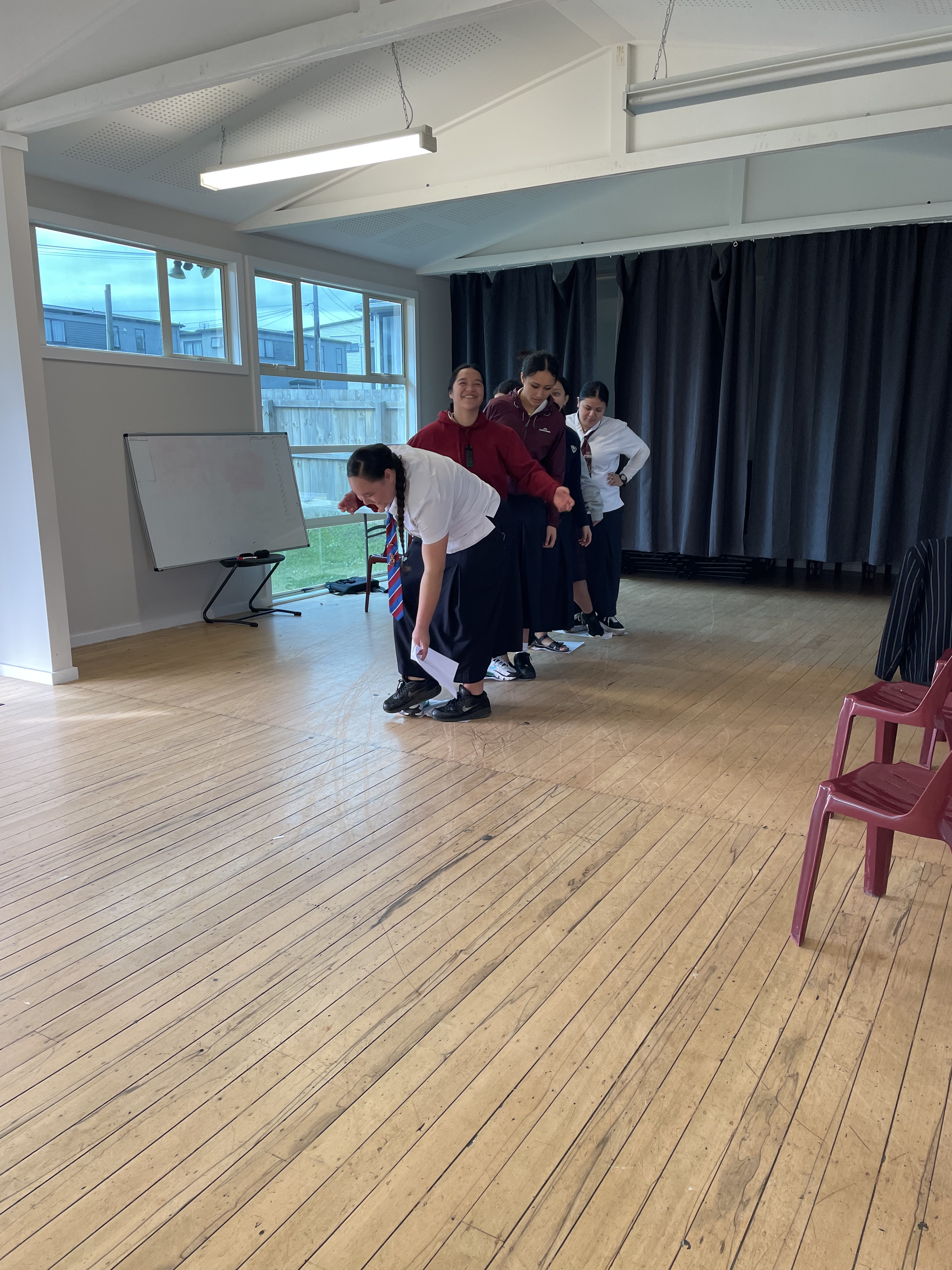
- Kēmu: evolution game (hēki, heihei, kāhu, taniwha, paper, rock, scissors); the floor is lava, a ship came into the harbour, human knot, riddles, blindfolded charade (two teams, each have a scribe, one person draws on back and the scribe guesses the kupu or phrase)
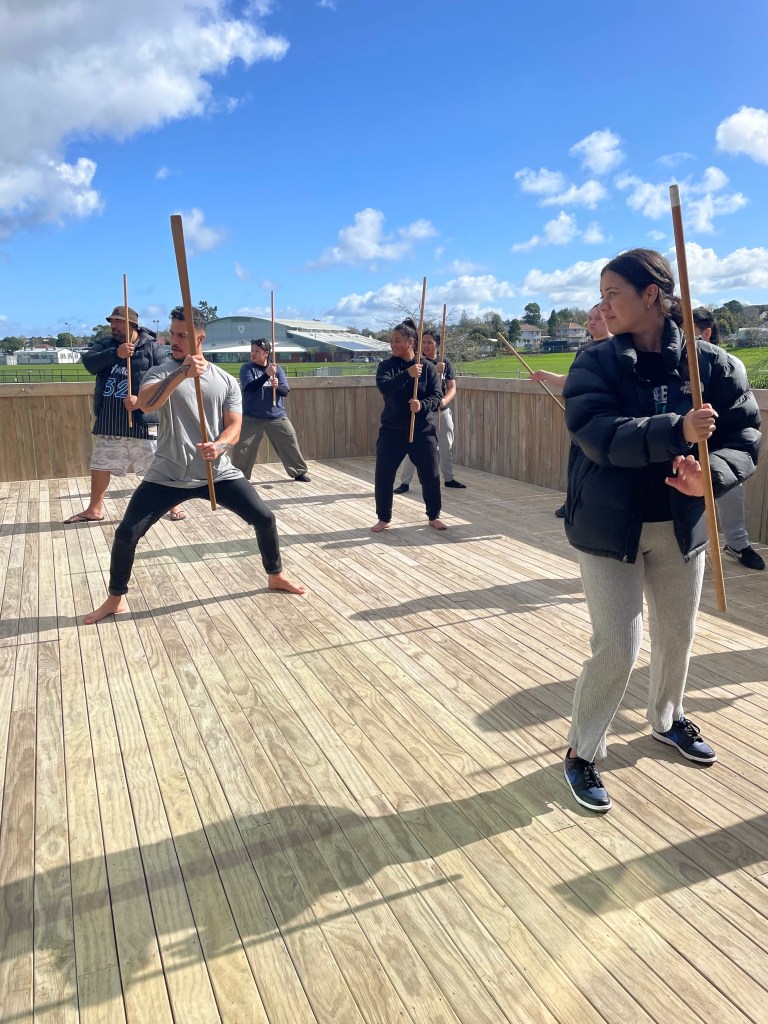
- Tū waewae stances including koi, ihi, aro, tū noa, tū matau (right foot back), whakaputa ihi
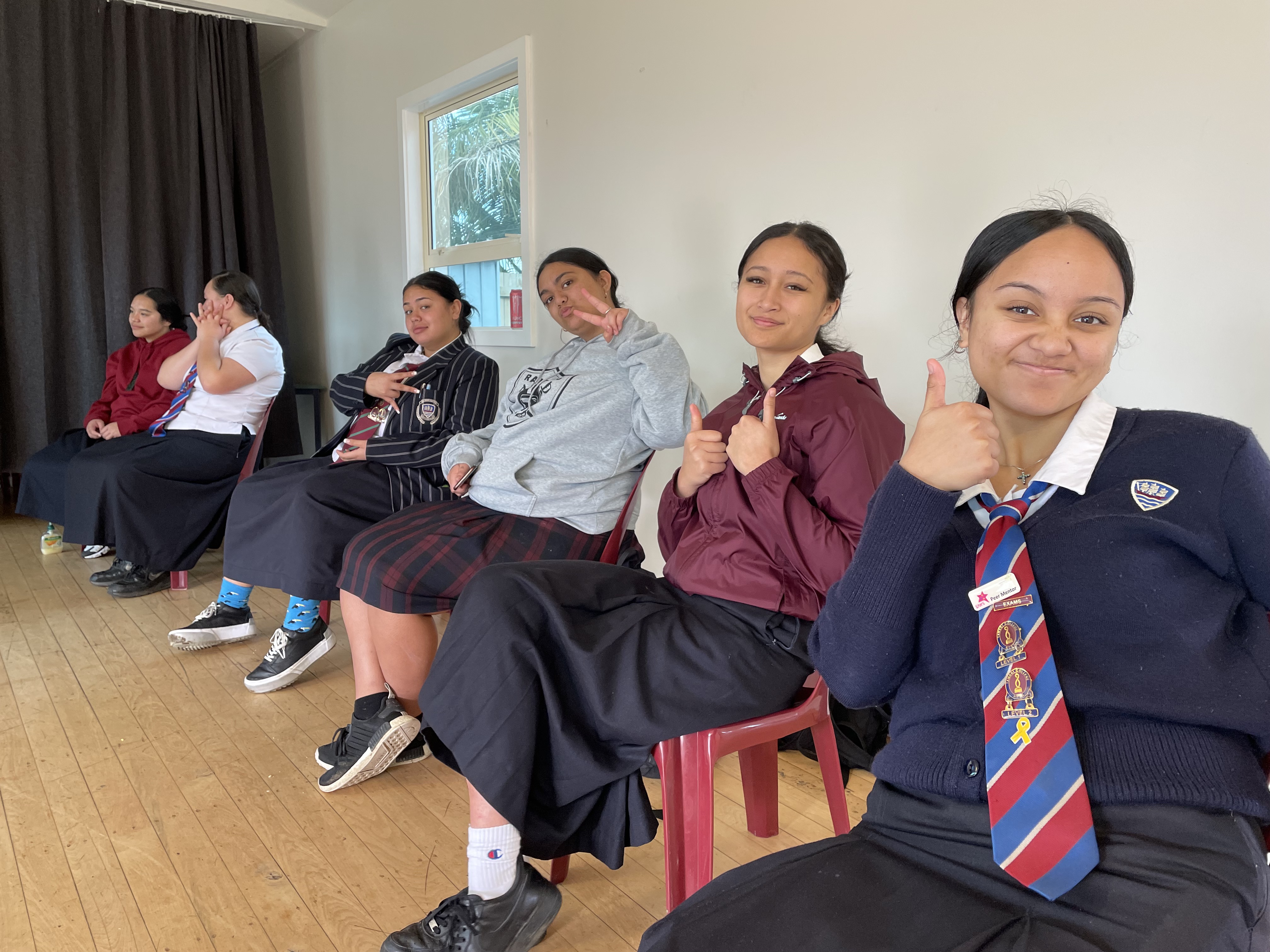
- Ended workshop with evaluation: one woohoo, one boohoo, and on newhoo
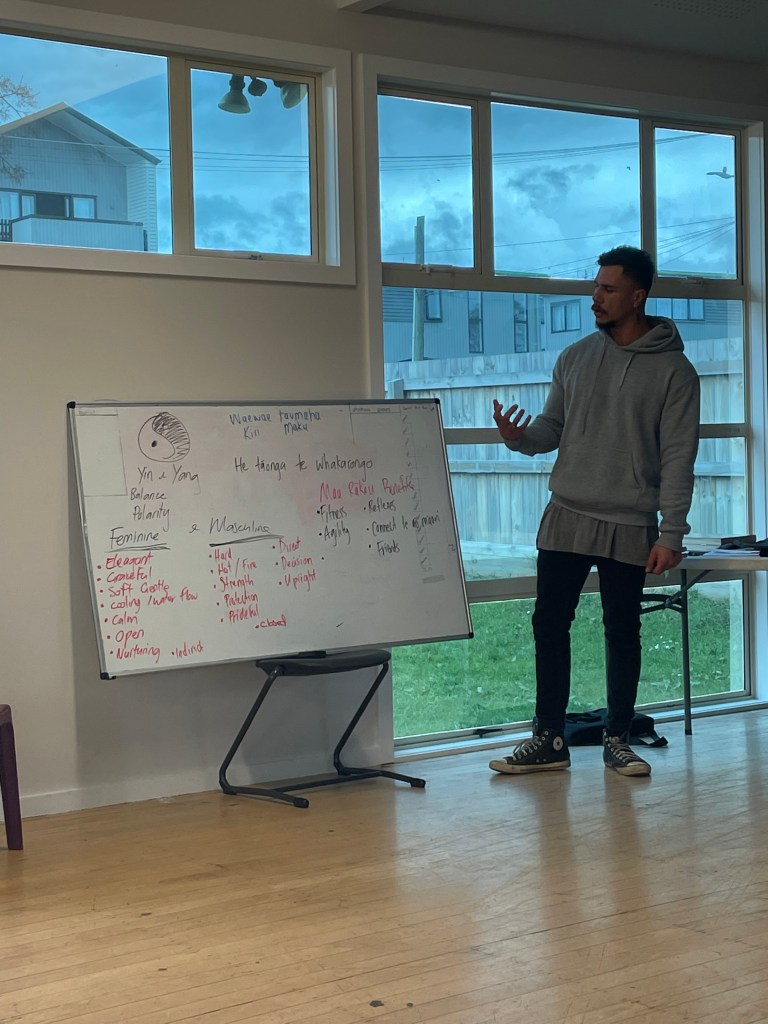
Today I learned that for every male atua (ira tāne) there was a female equivalent (ira wahine).
Rātū 16 Hereturikōkā
Today’s programme was:
- Karakia
- Kēmu
- Breathing techniques
- Affirmations
- Laser tag with Matua Tūmanako and Bee at Paradise Botany Laser Tag.
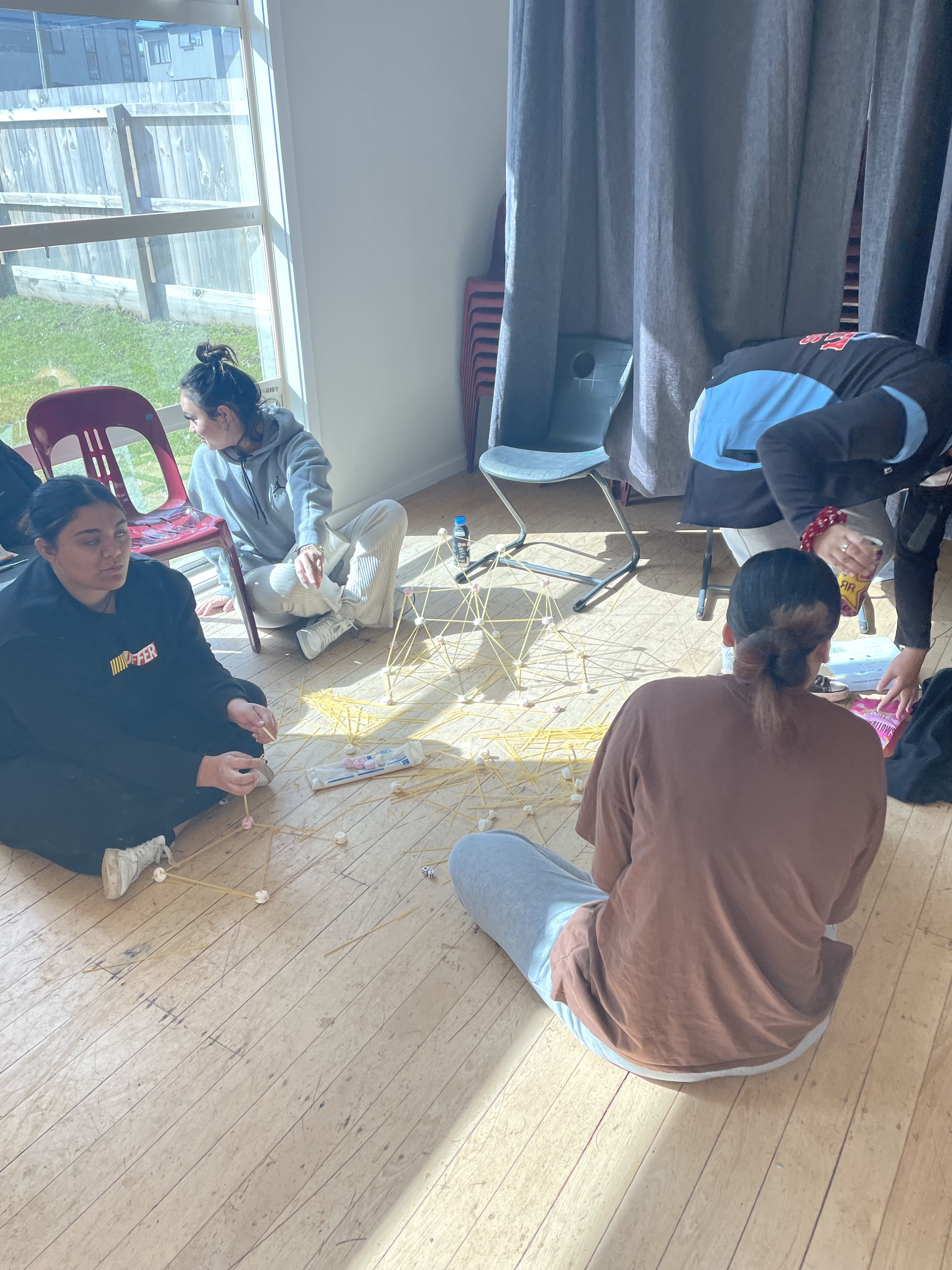
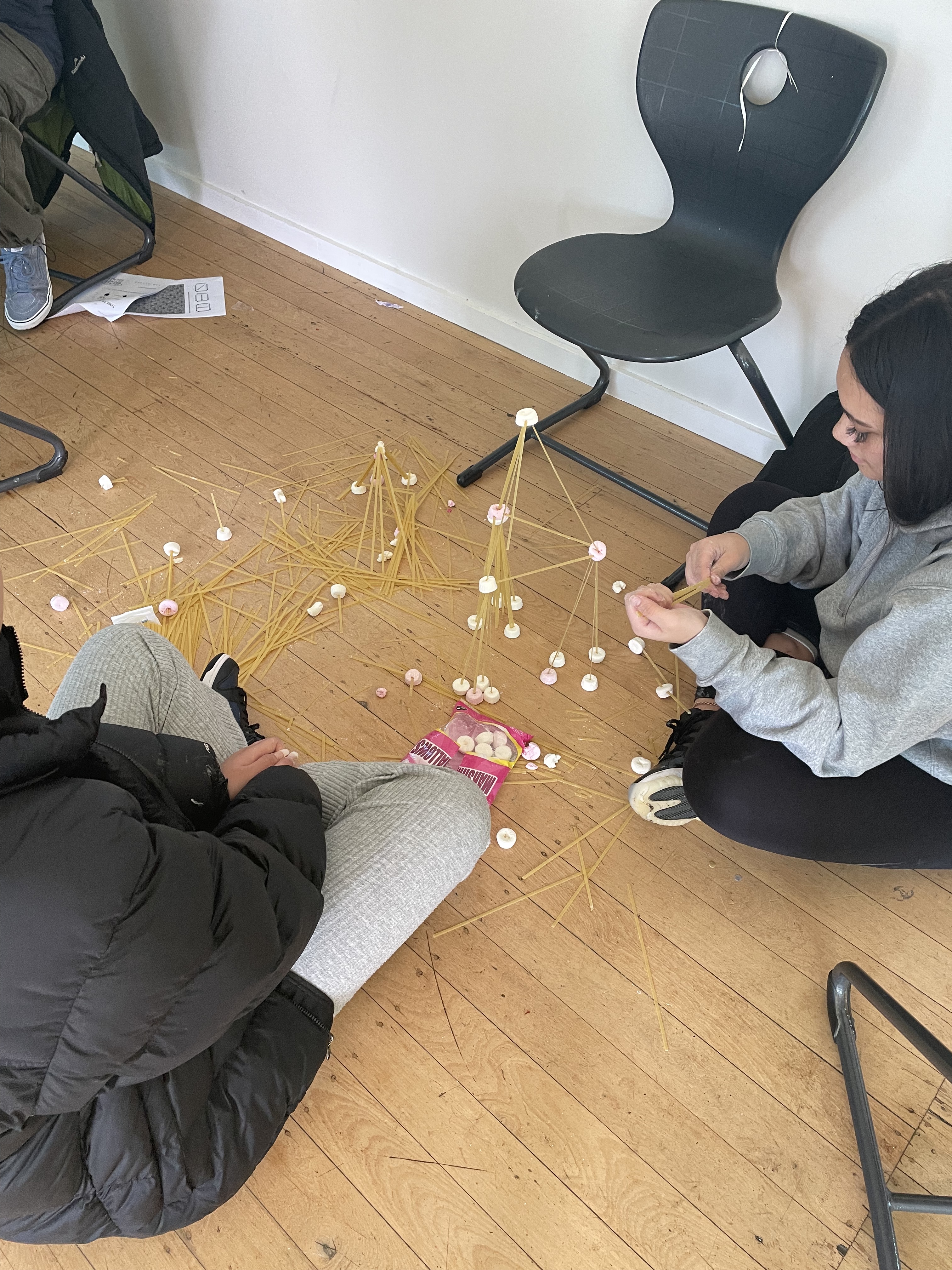
Rātū 23 o Hereturikōkā
Today’s programme was:
Matua Haven was away so the kaupapa was run by local figure, youth worker, and my close friend Matua David Makea.
- Brain teasers: three page sheet full of dingbats for ākonga to figure out. I joined in.
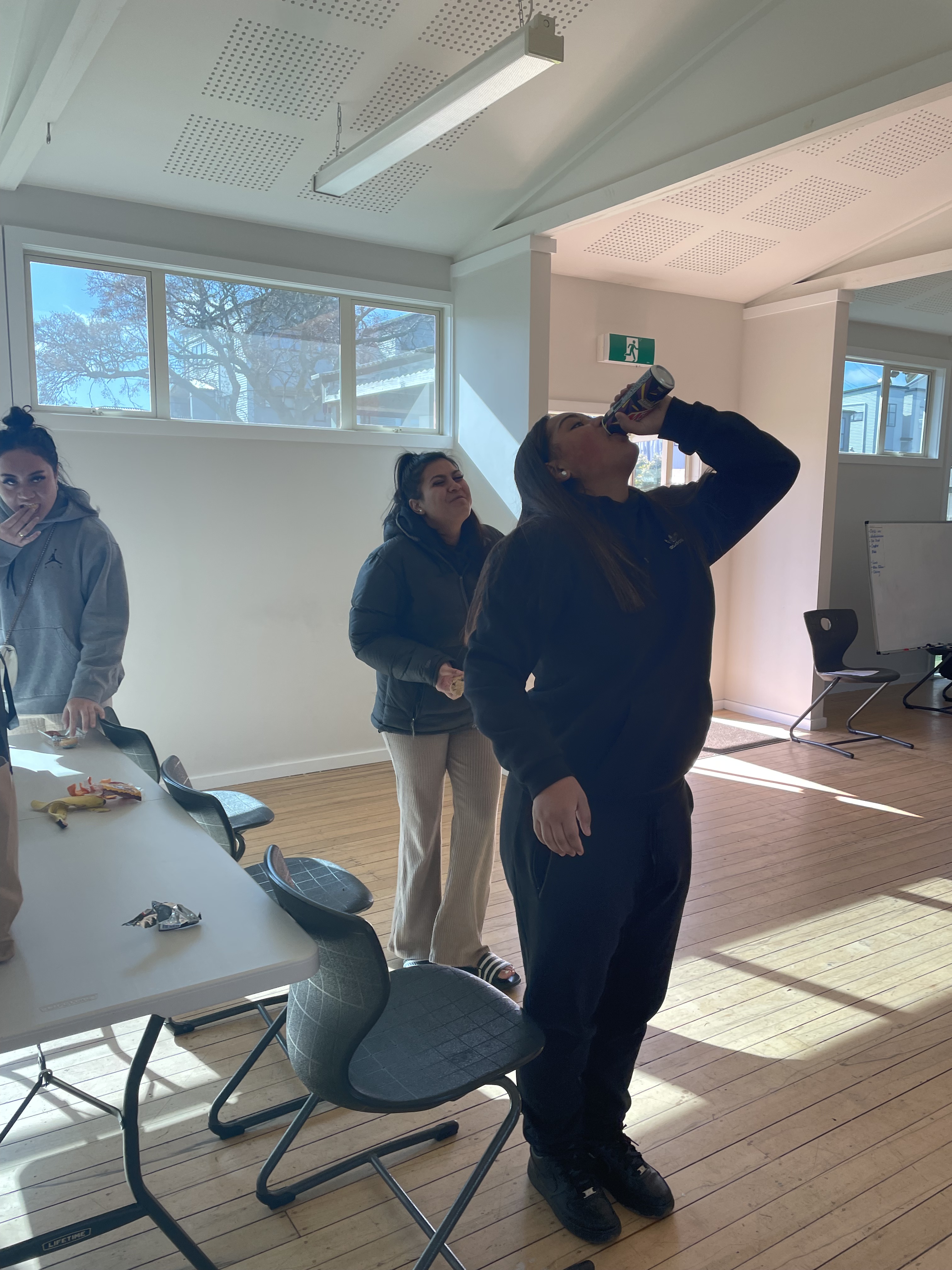
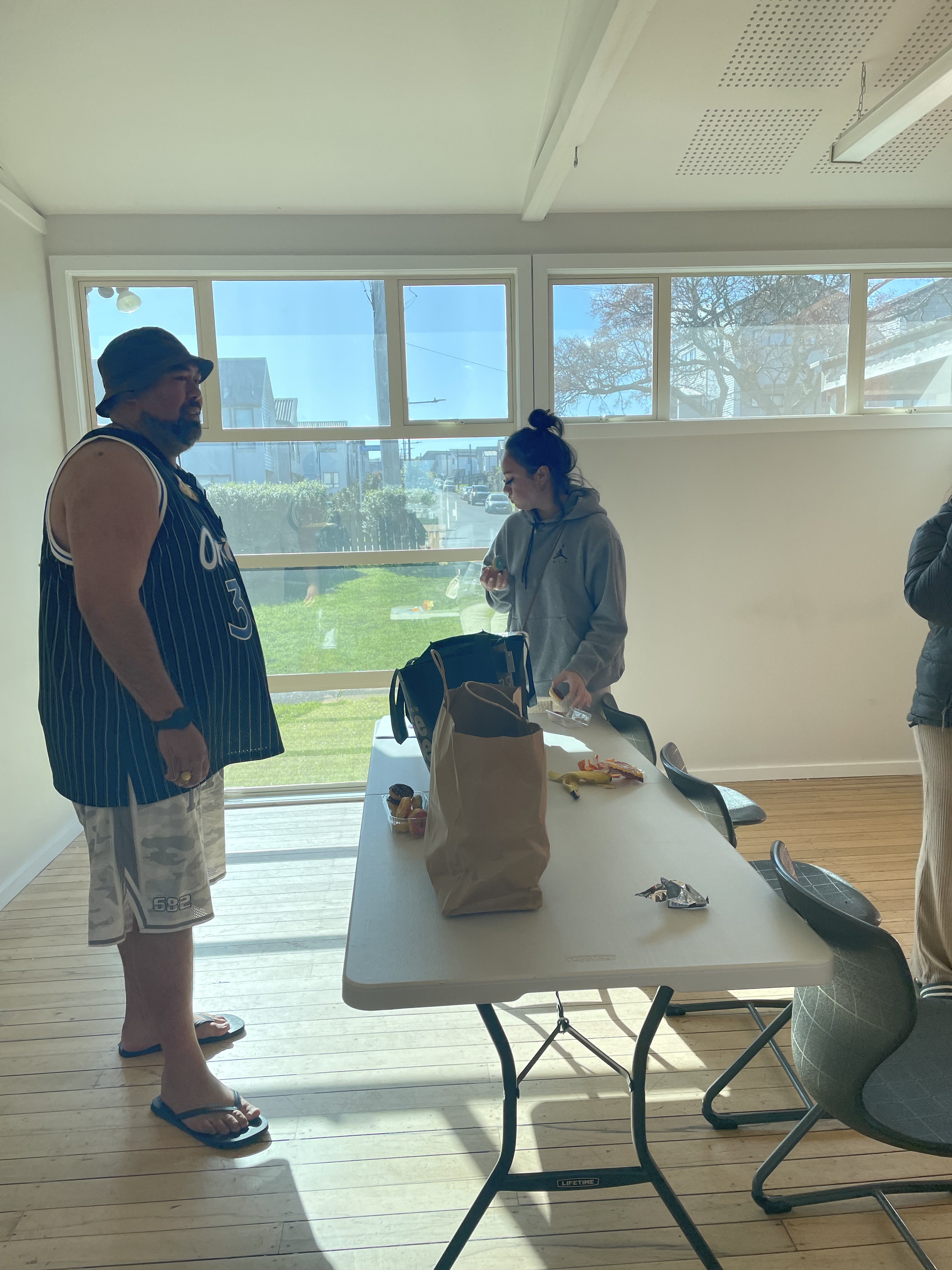
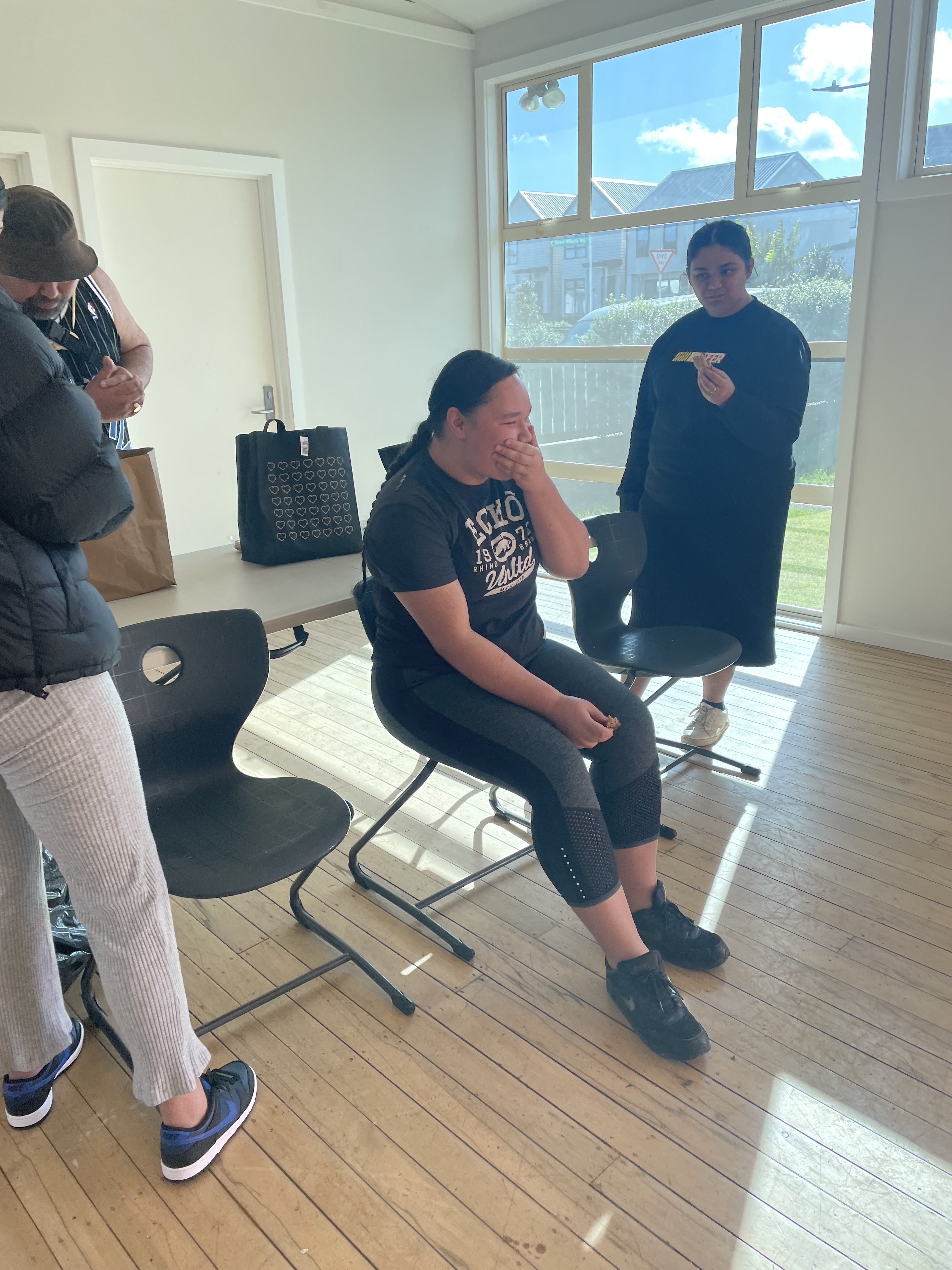
- Eating and drinking race – the team that ate and drank everything in their shopping bags first, won.
- Create the tallest or highest towers and structures using kebab sticks (the students didn’t really like this exercise).
- Names of the ahori/ stances: ākonga learned the names of mau rākau stances.
- Doing the ahori/ stances: ākonga were taught how to do the stances they learned the names of.
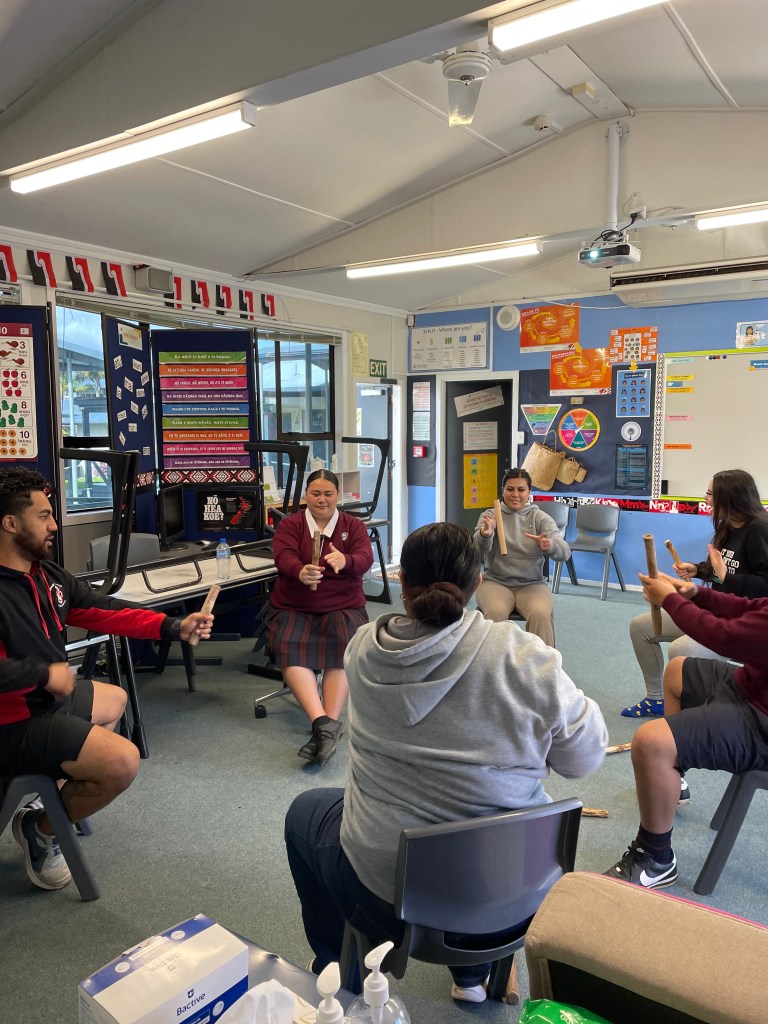
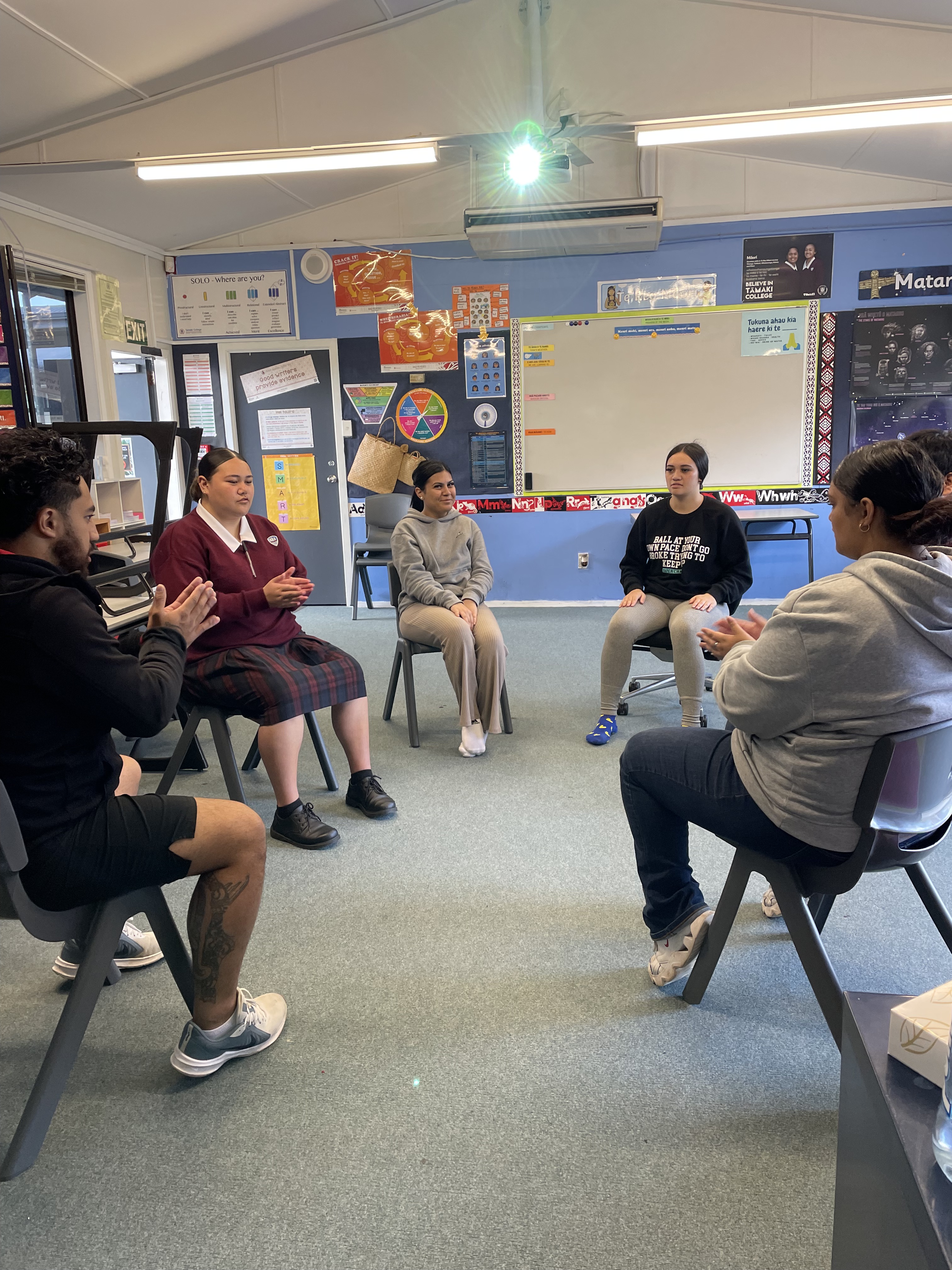
Rātū 13 o Mahuru
Today’s programme:
- Kēmu kaute (with hands)
- Tītī tōrea – meke 1 ringa, kapia ngā karu, takirua, ringa matau/ mauī
- Tī rākau – whatoro, rākau ki taha, runga, raro, waenga, muri, karawhiua, poi rākau/ hopu rākau
Rātū 20 o Mahuru
Today’s programme:
- Whakawhiti kōrero: he aha te tohunga? He aha ngā momo tohu o te taiao?
- Traditional versus modern tohu
- Maramataka Māori
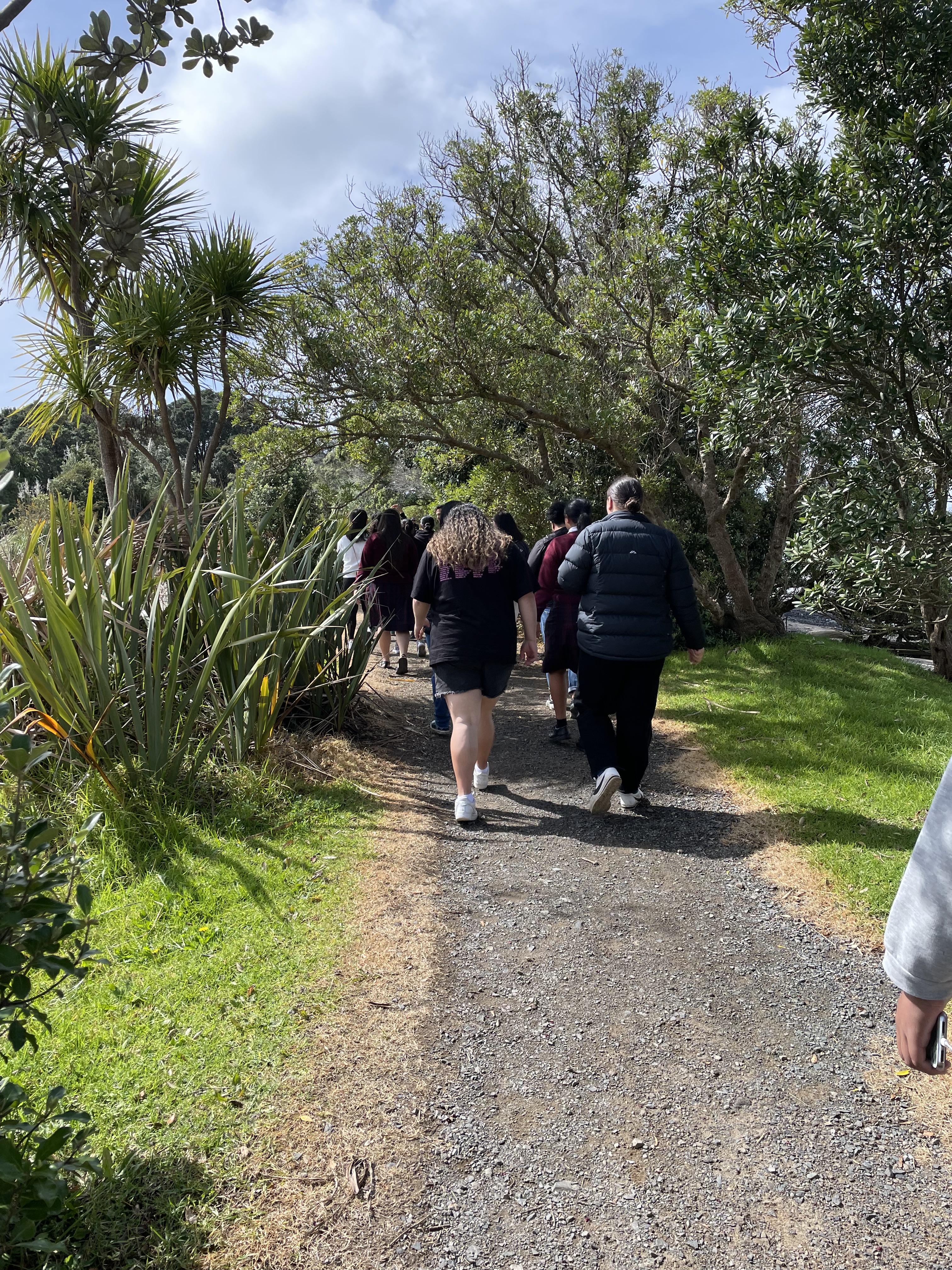
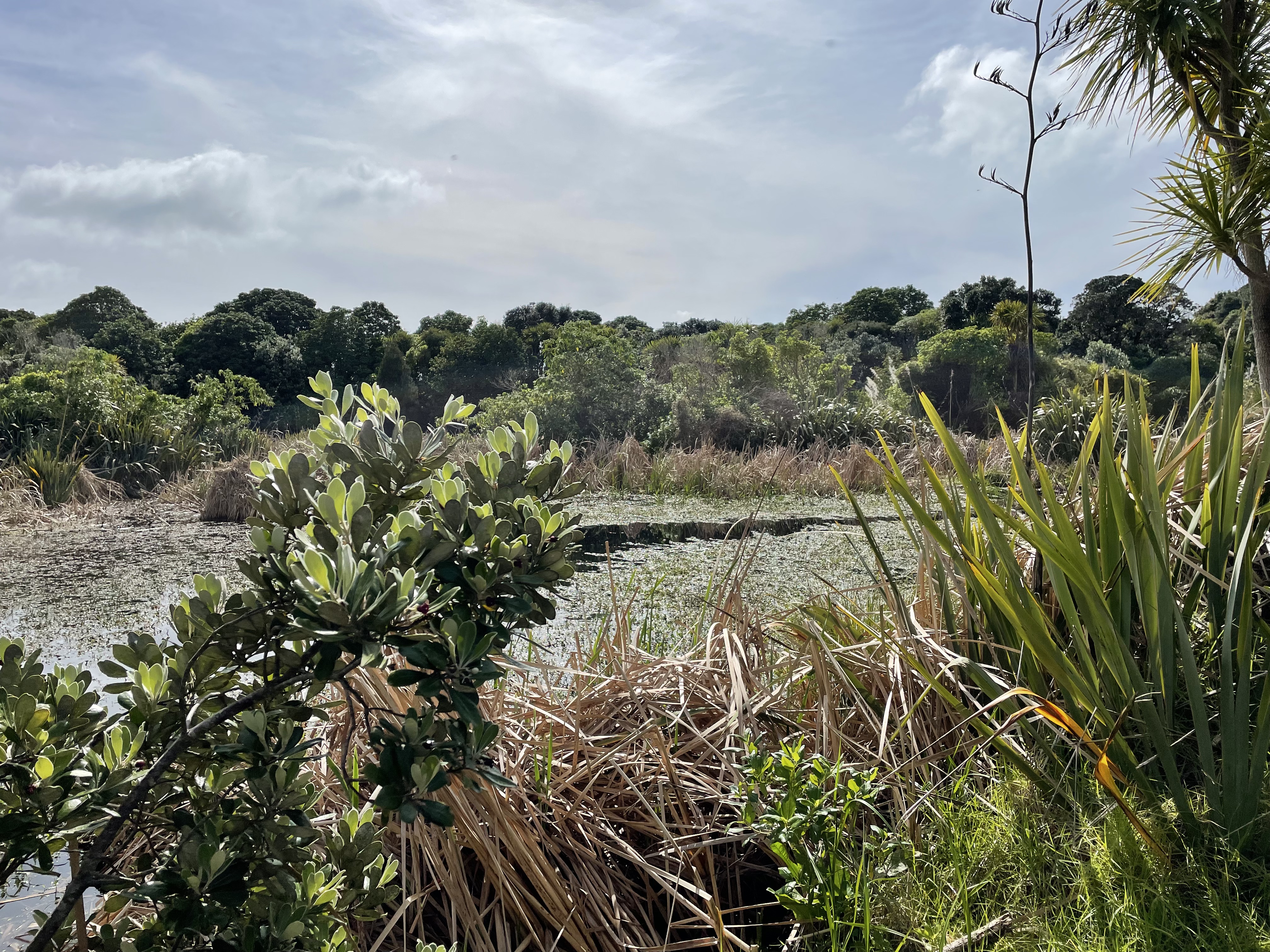
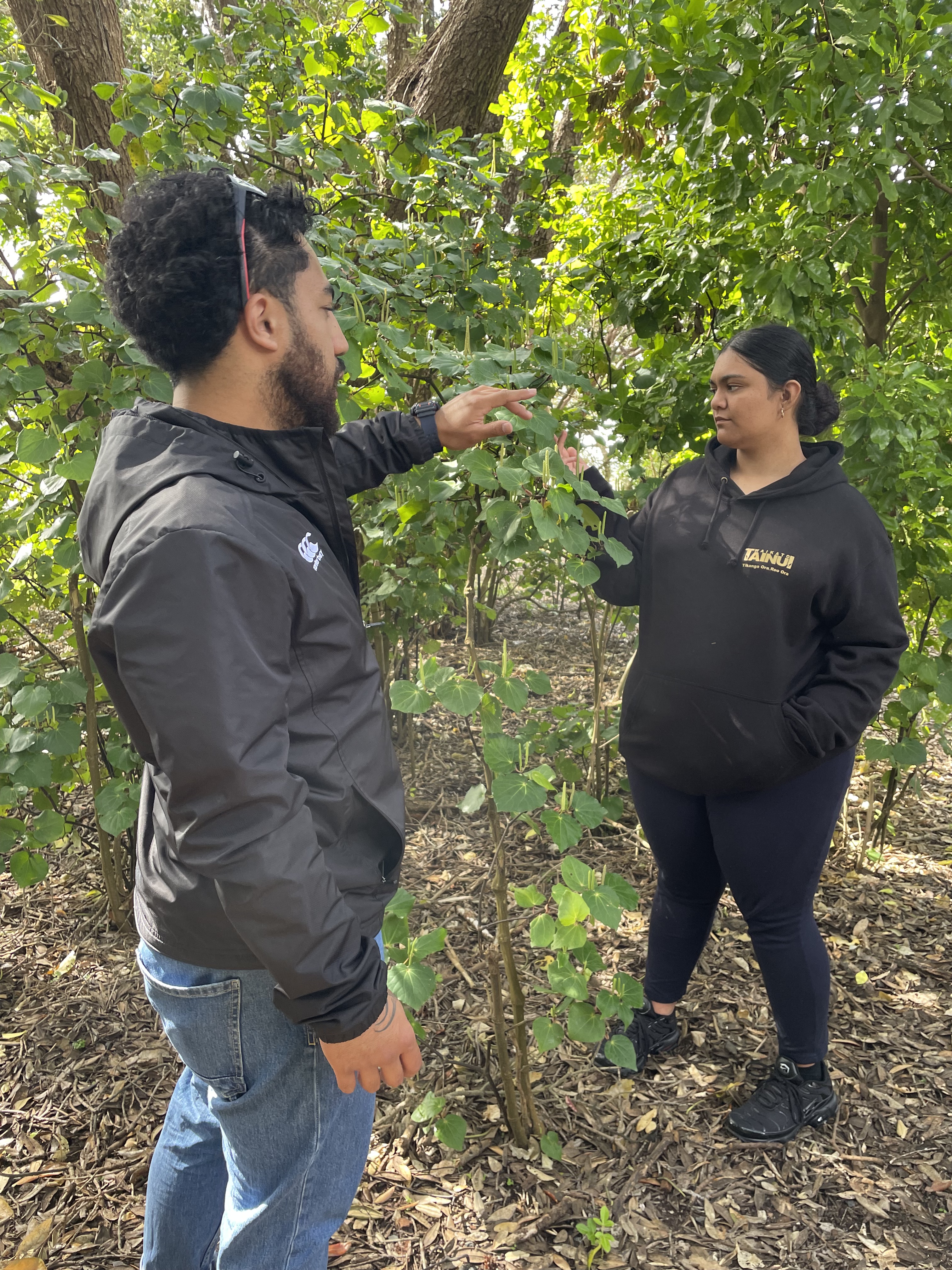
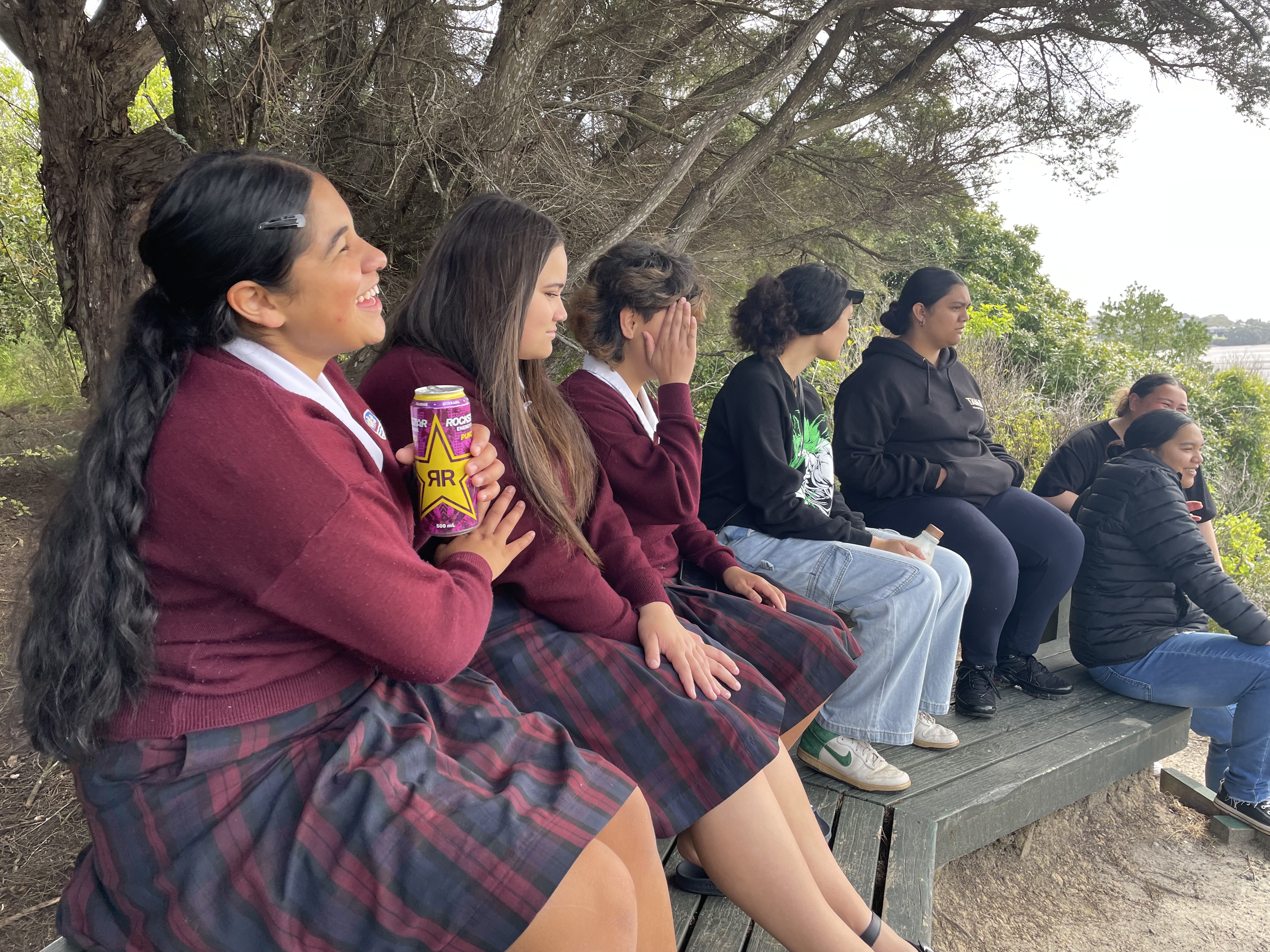
- Hīkoi ngahere: walked Tahuna Tōrea, while Matua Haven spoke about the tohu of certain rākau and rongoā, and some purākau attached to them.
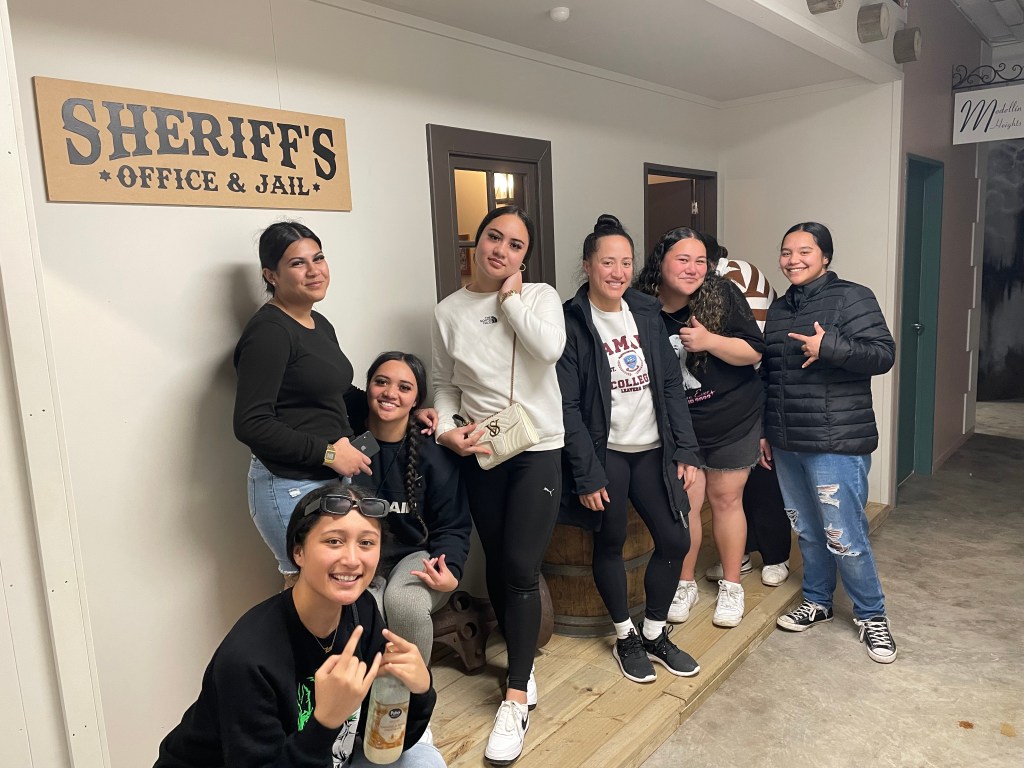
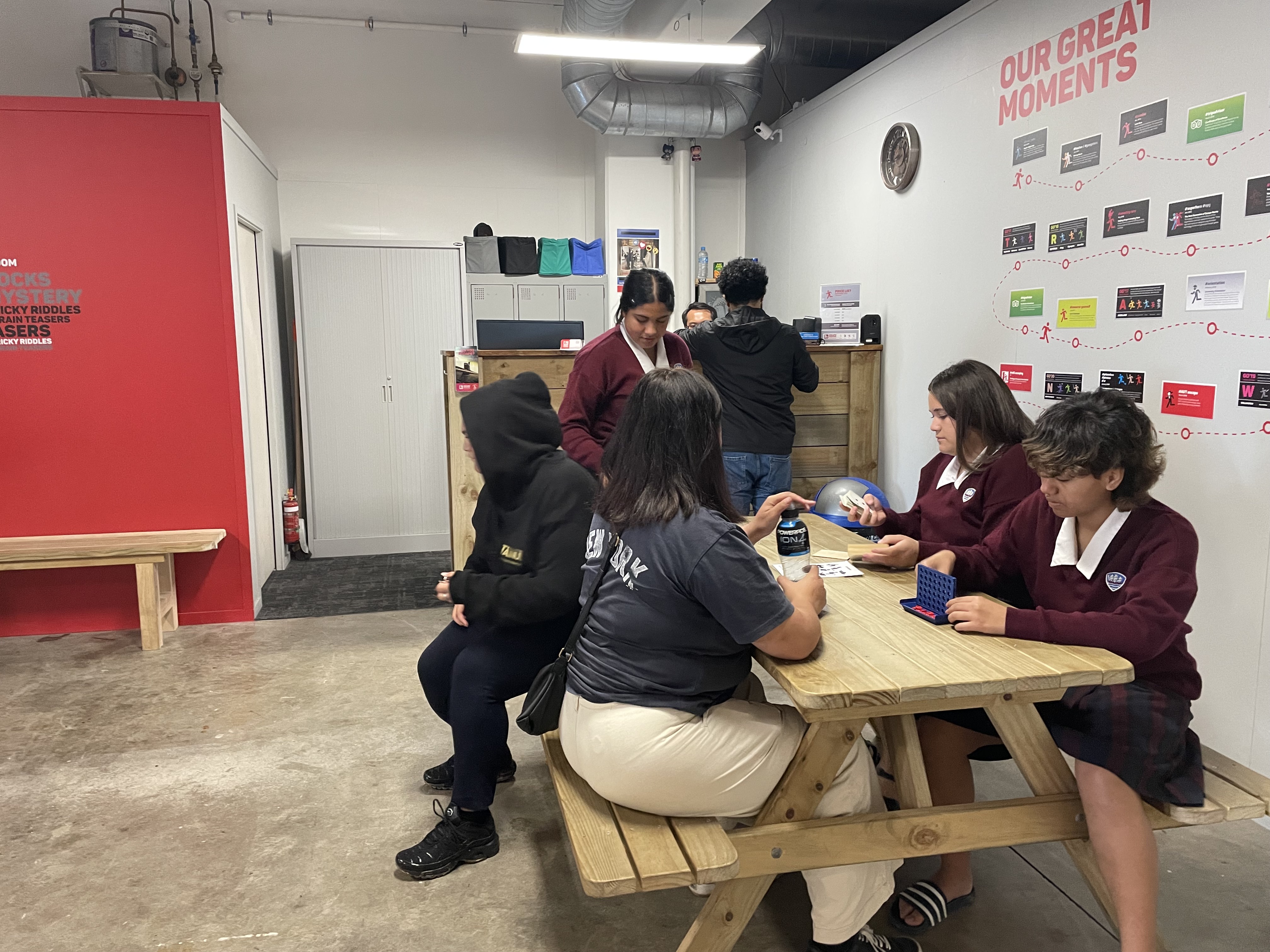
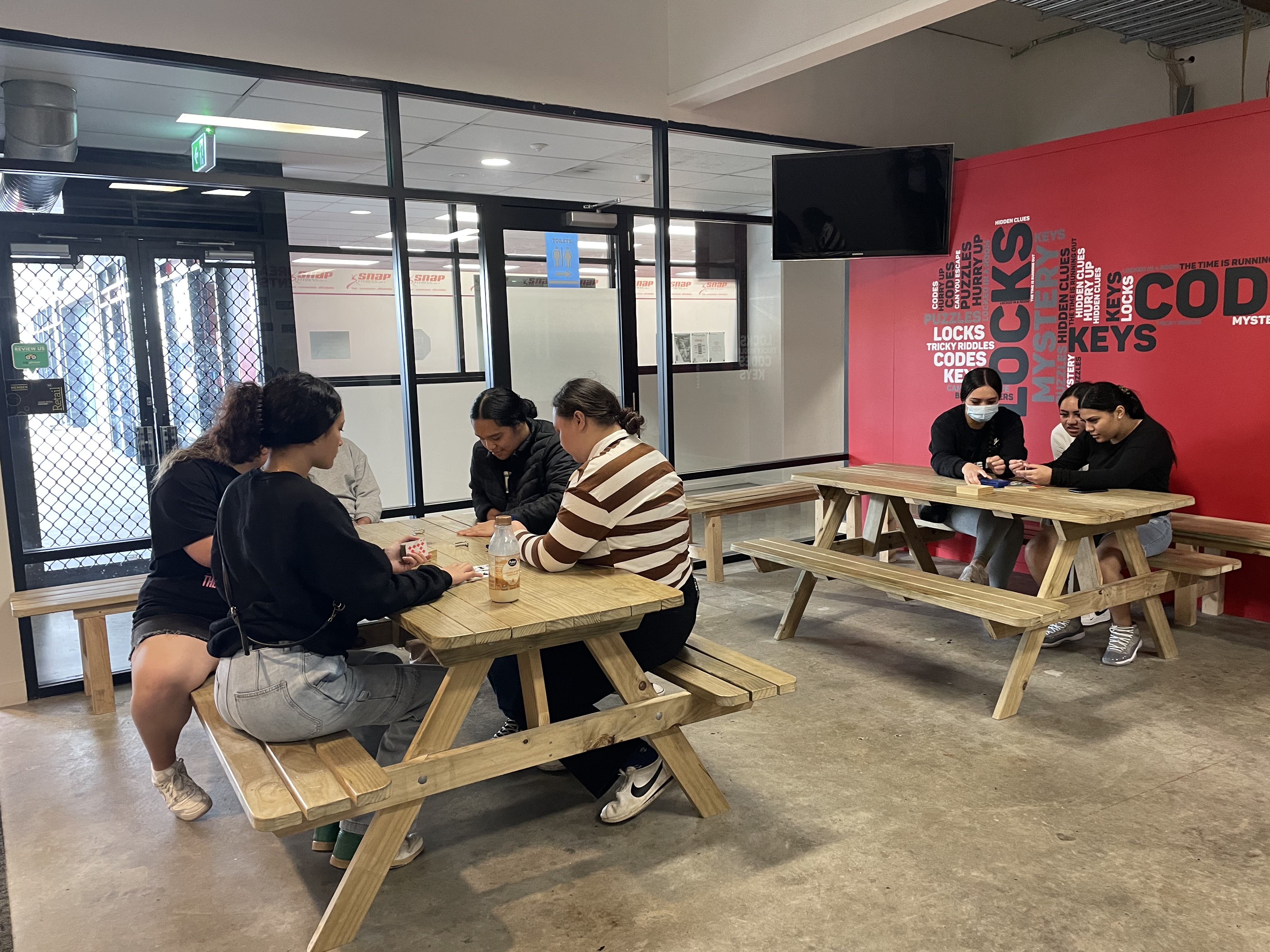
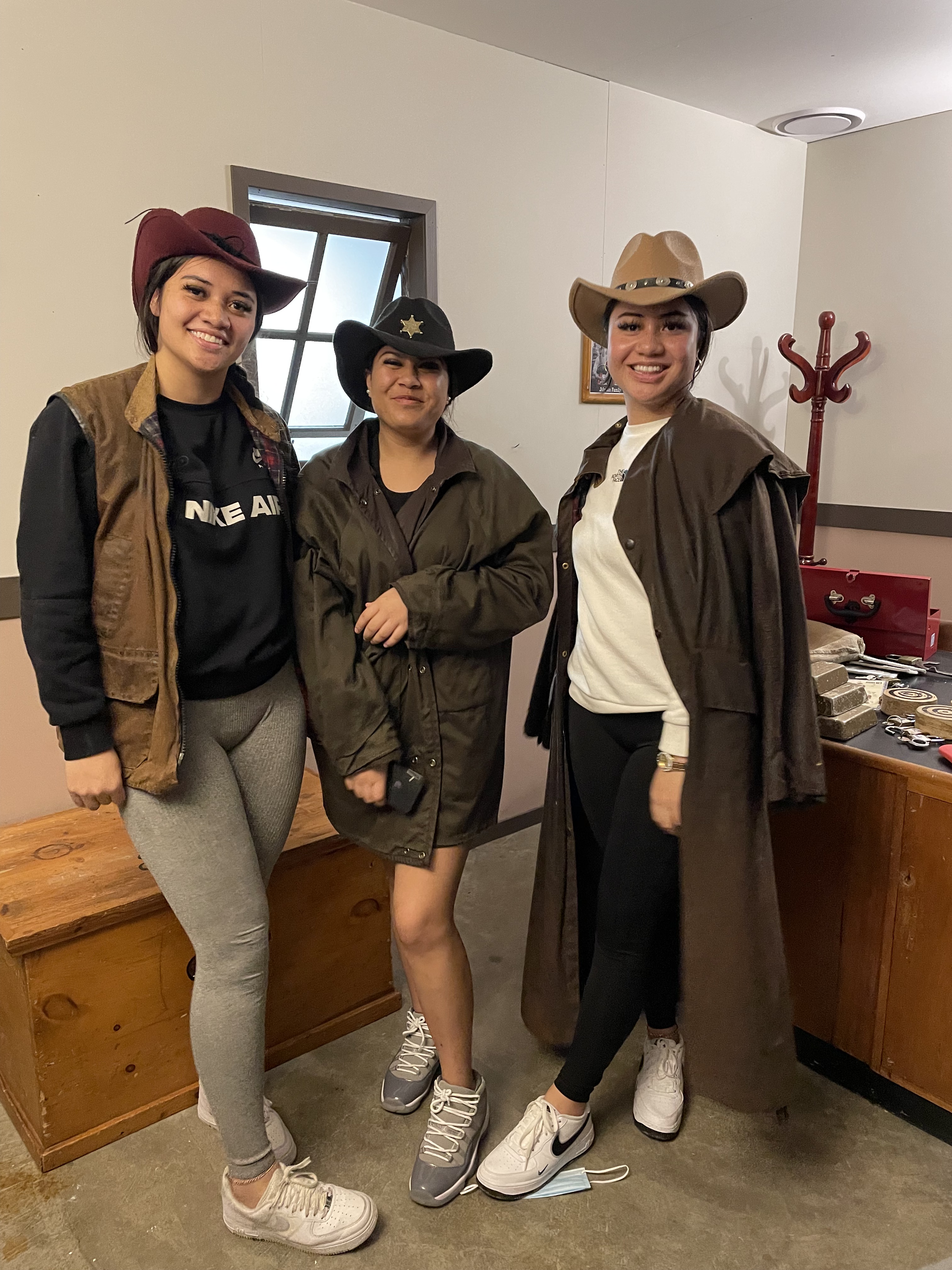
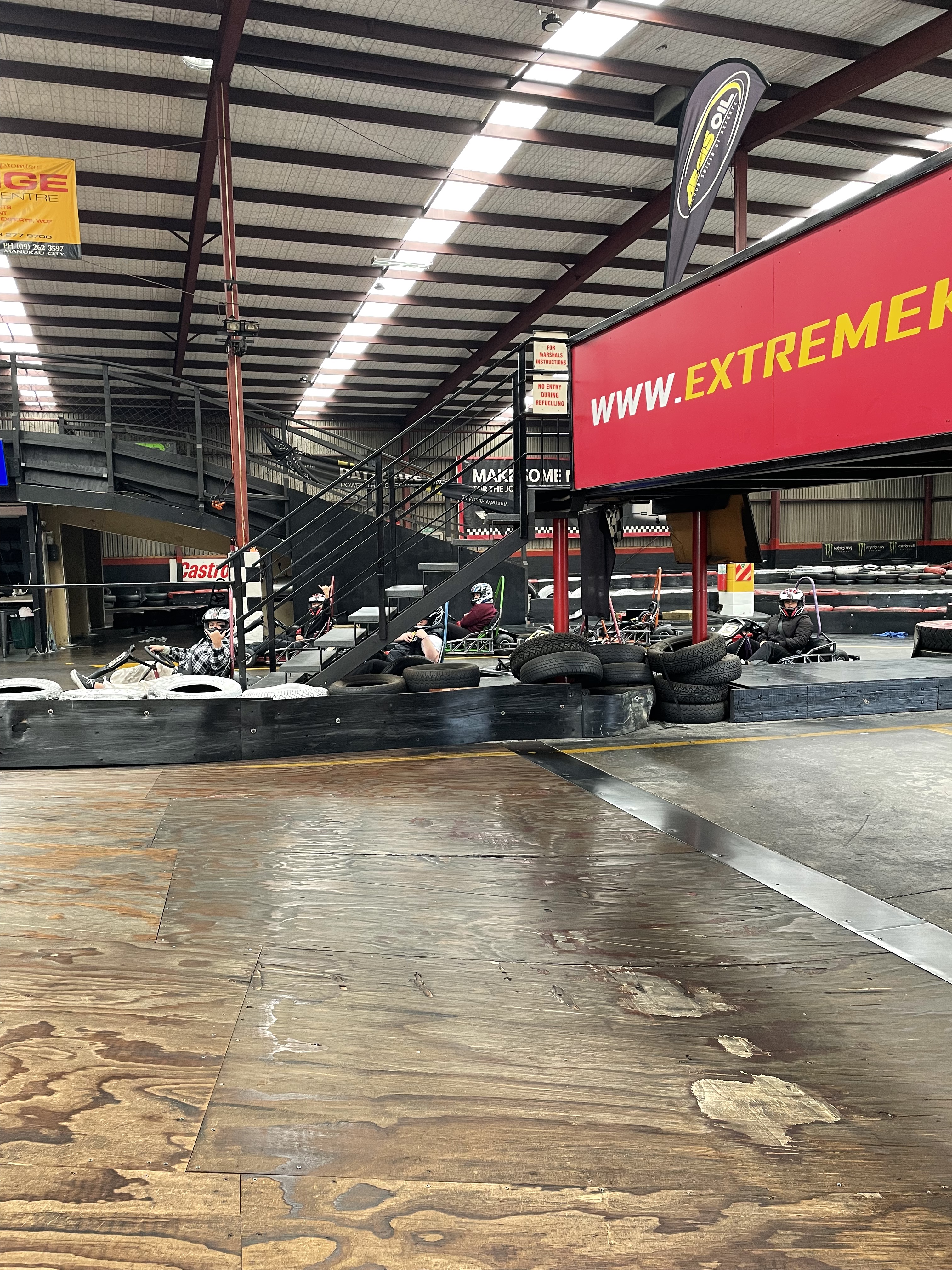
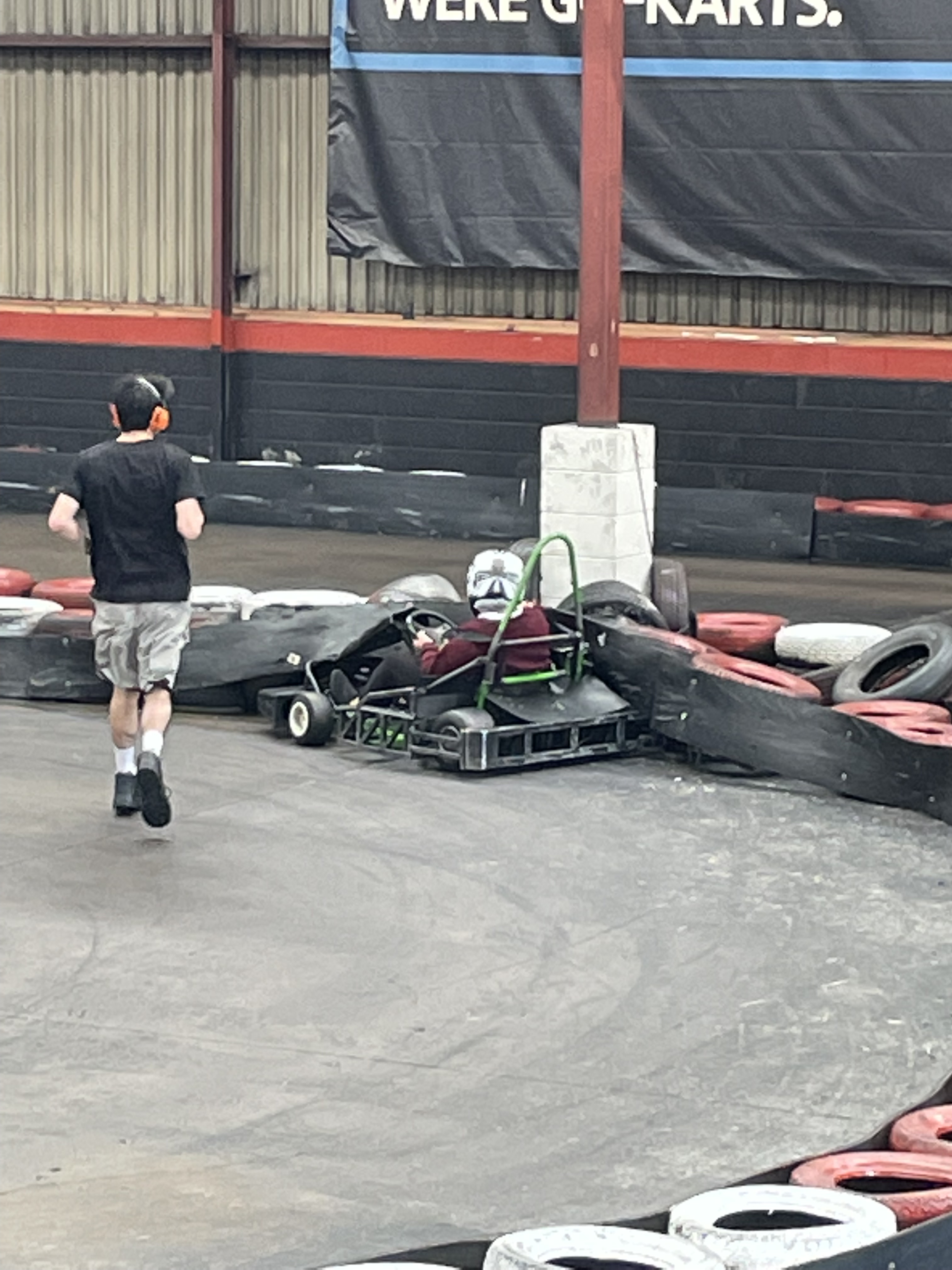
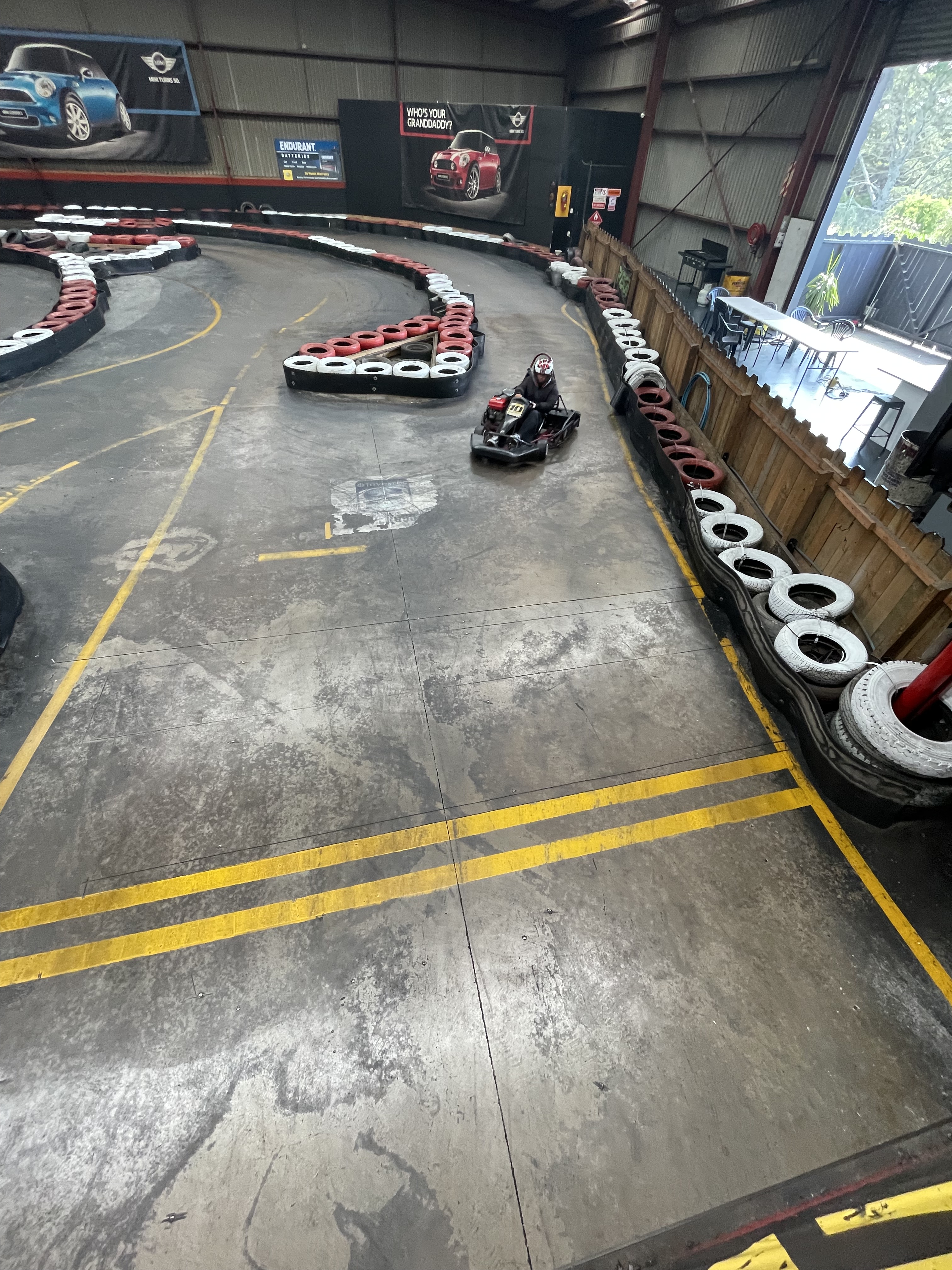
- Escape Masters (escape rooms) in Manukau – this was soo much fun! Our objective was to escape jail. The other team had to get out of detention in the classroom escape room.
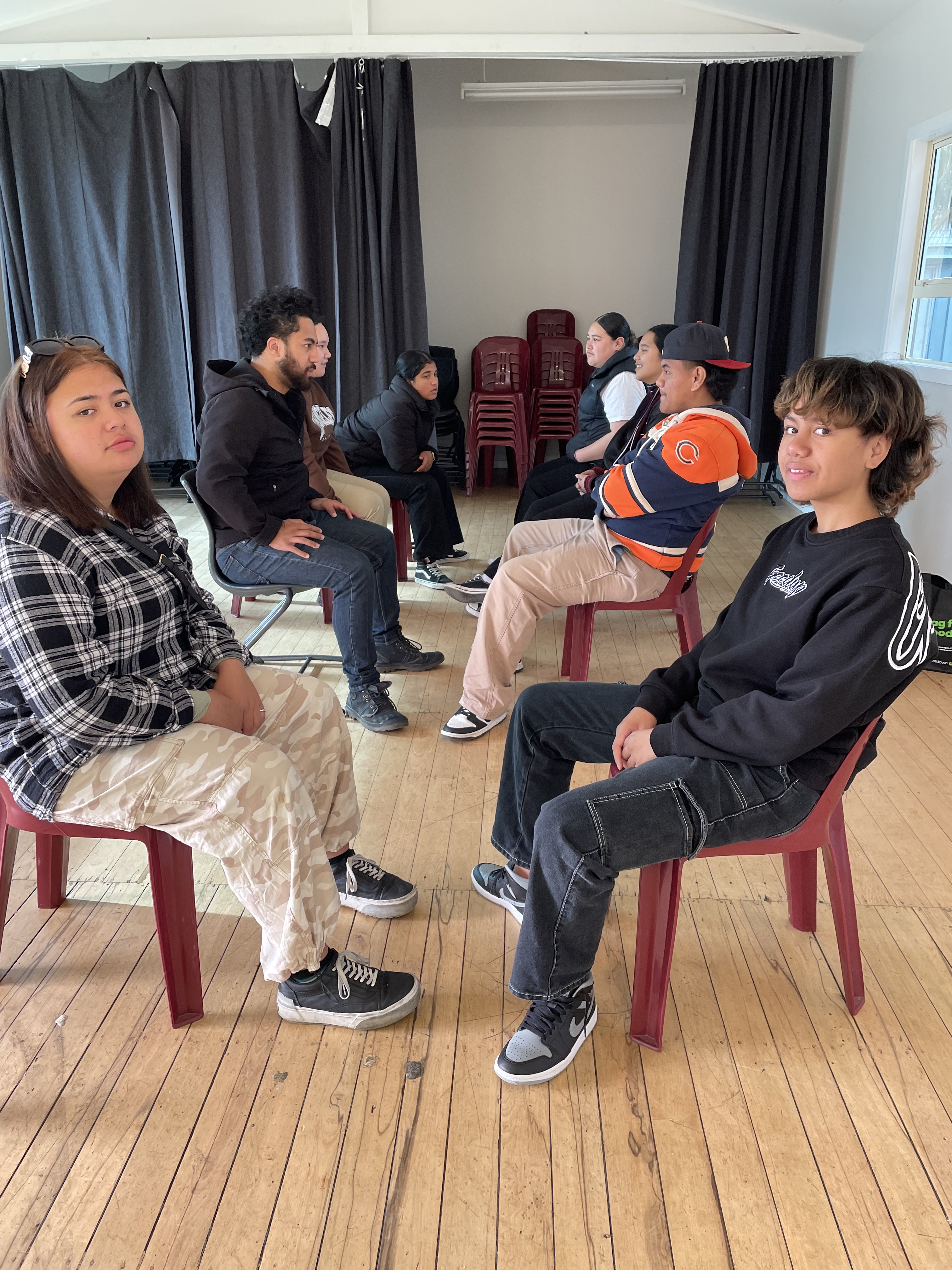
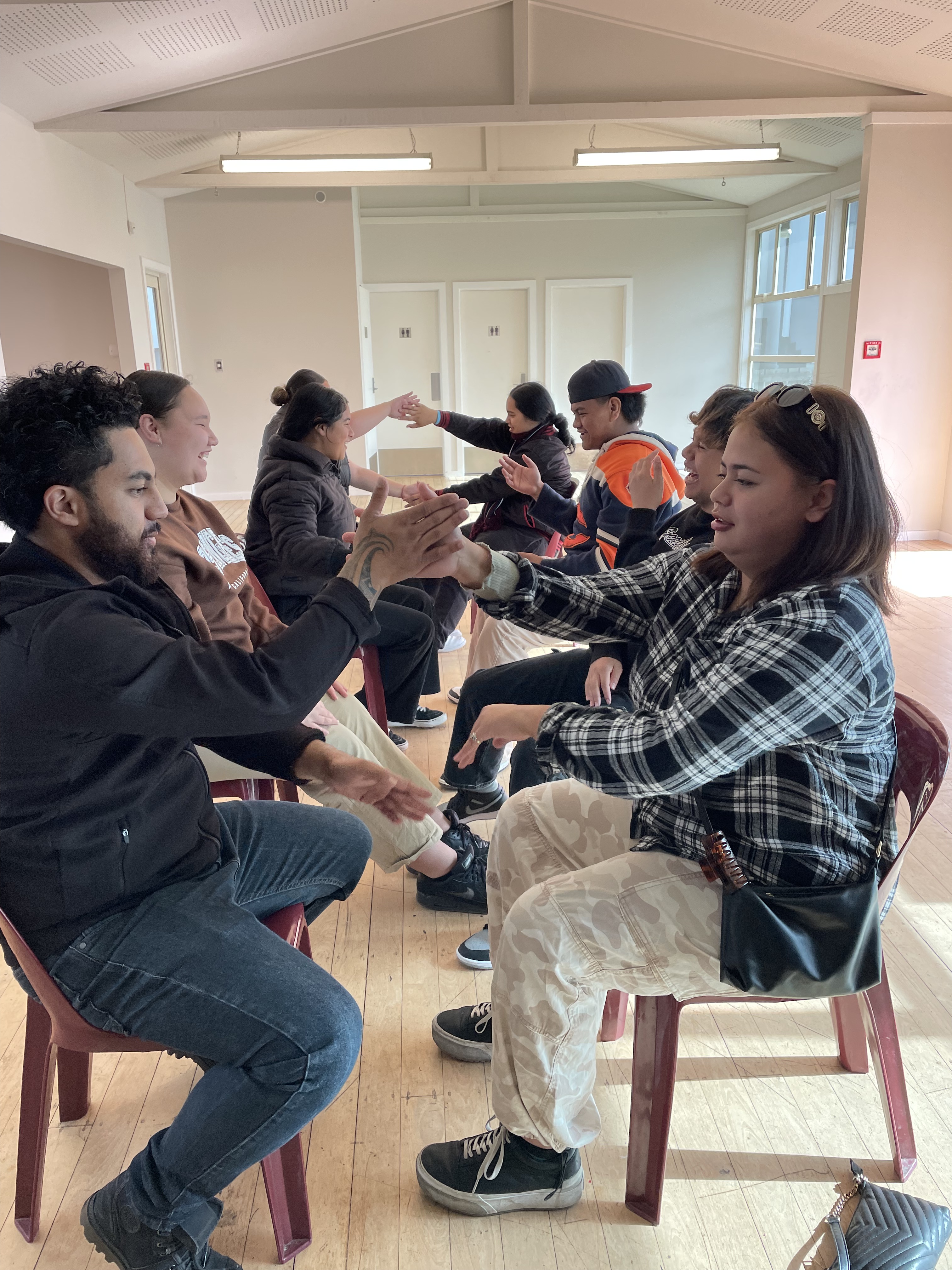
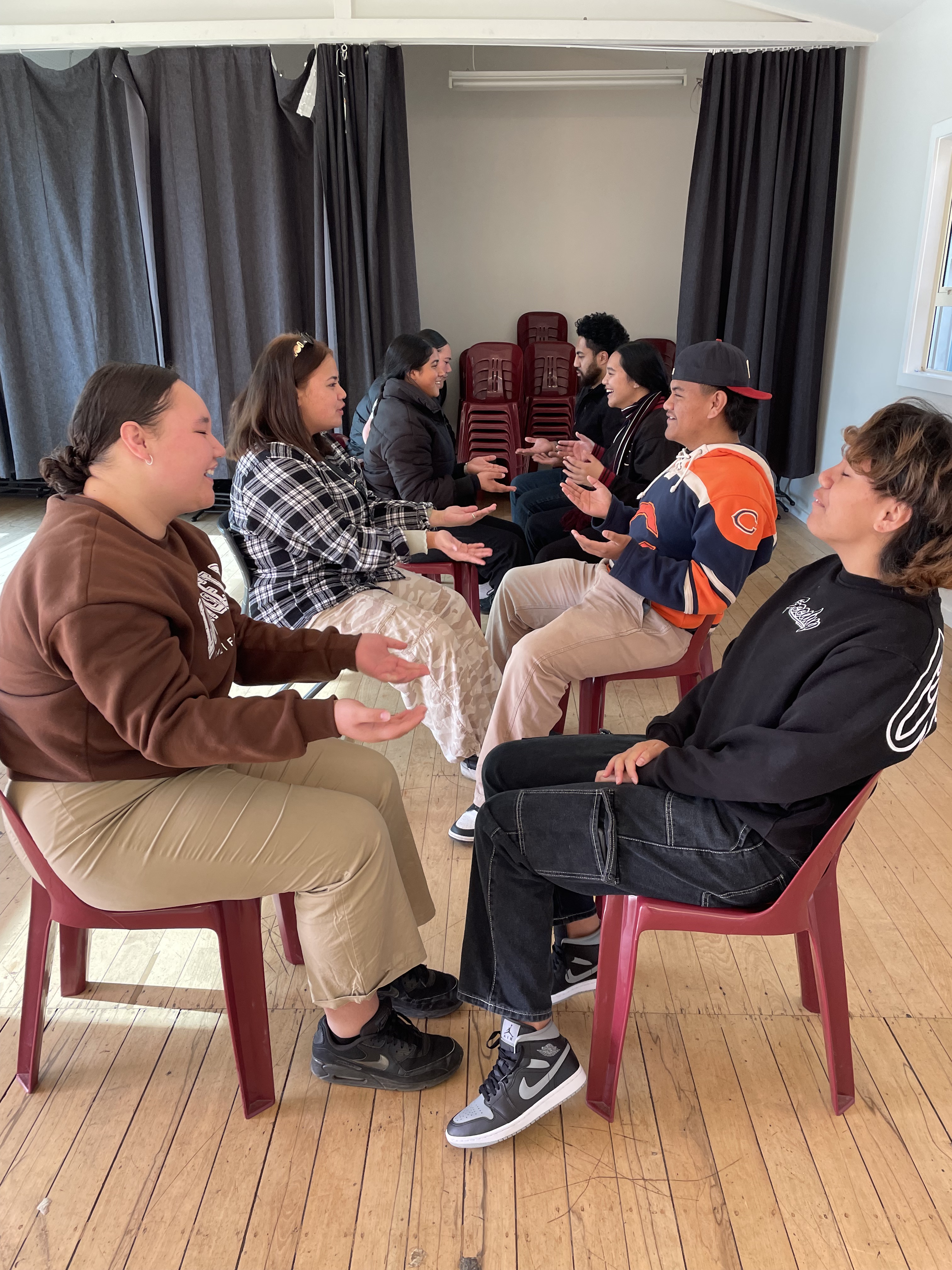
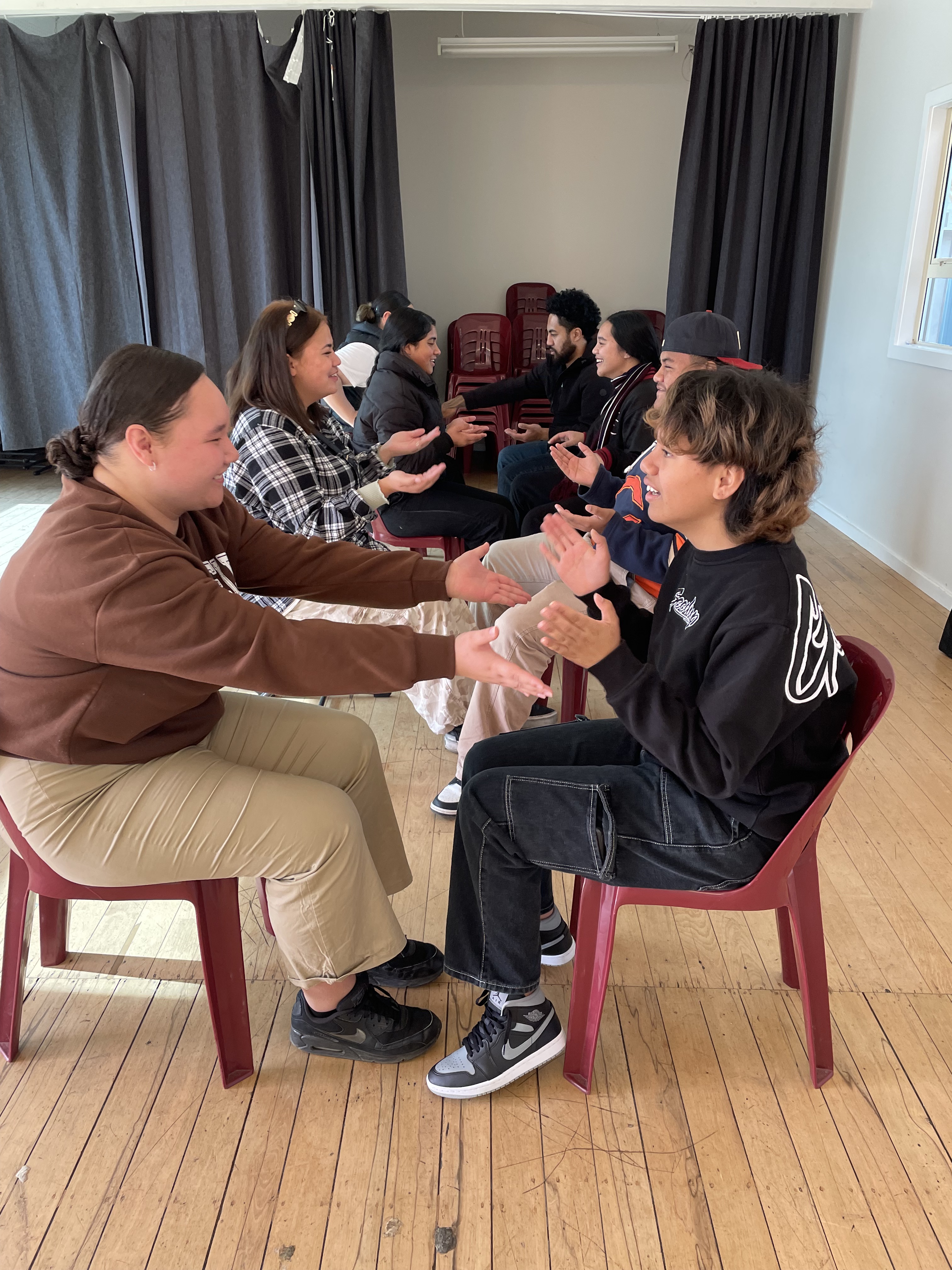
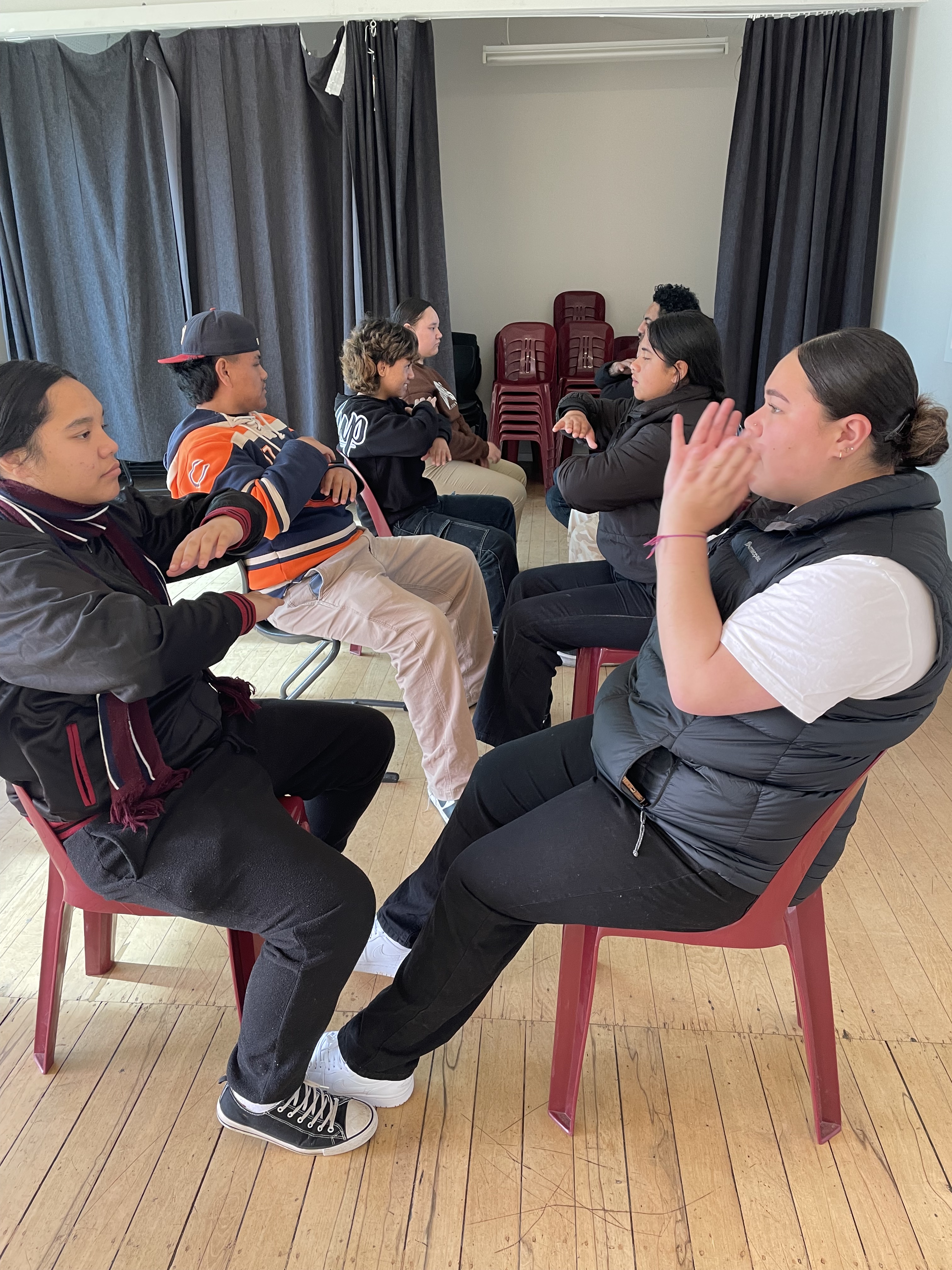
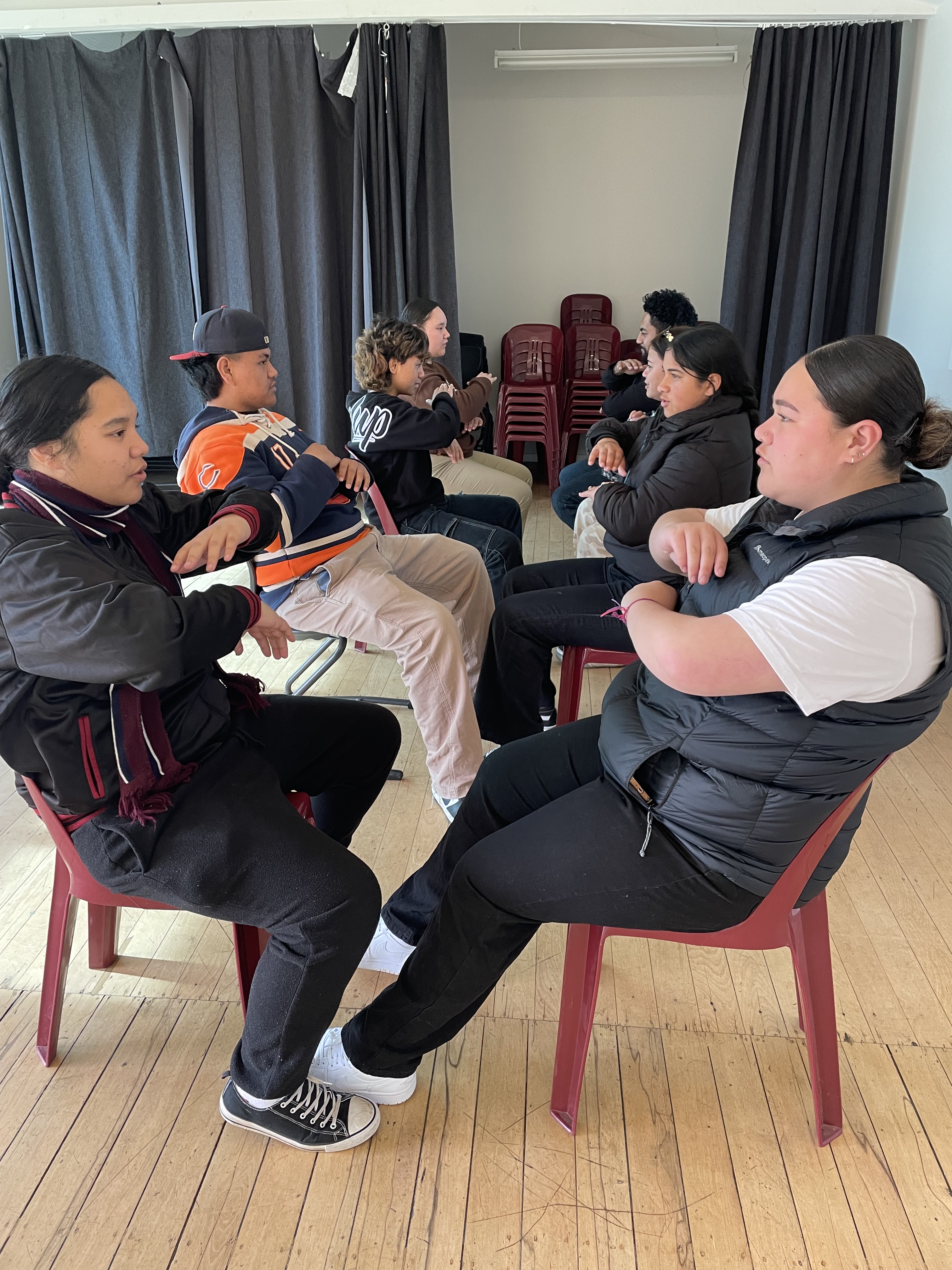
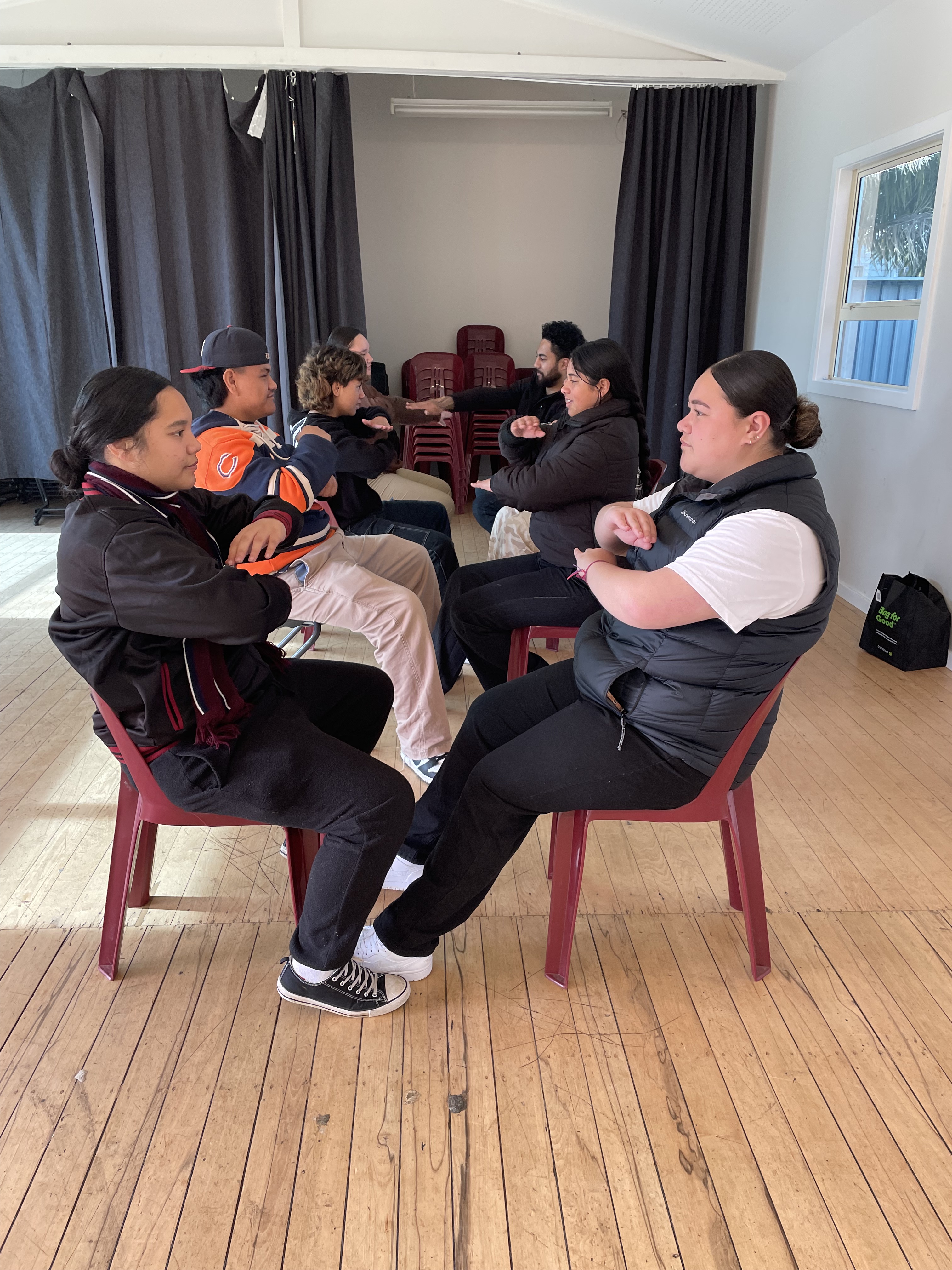
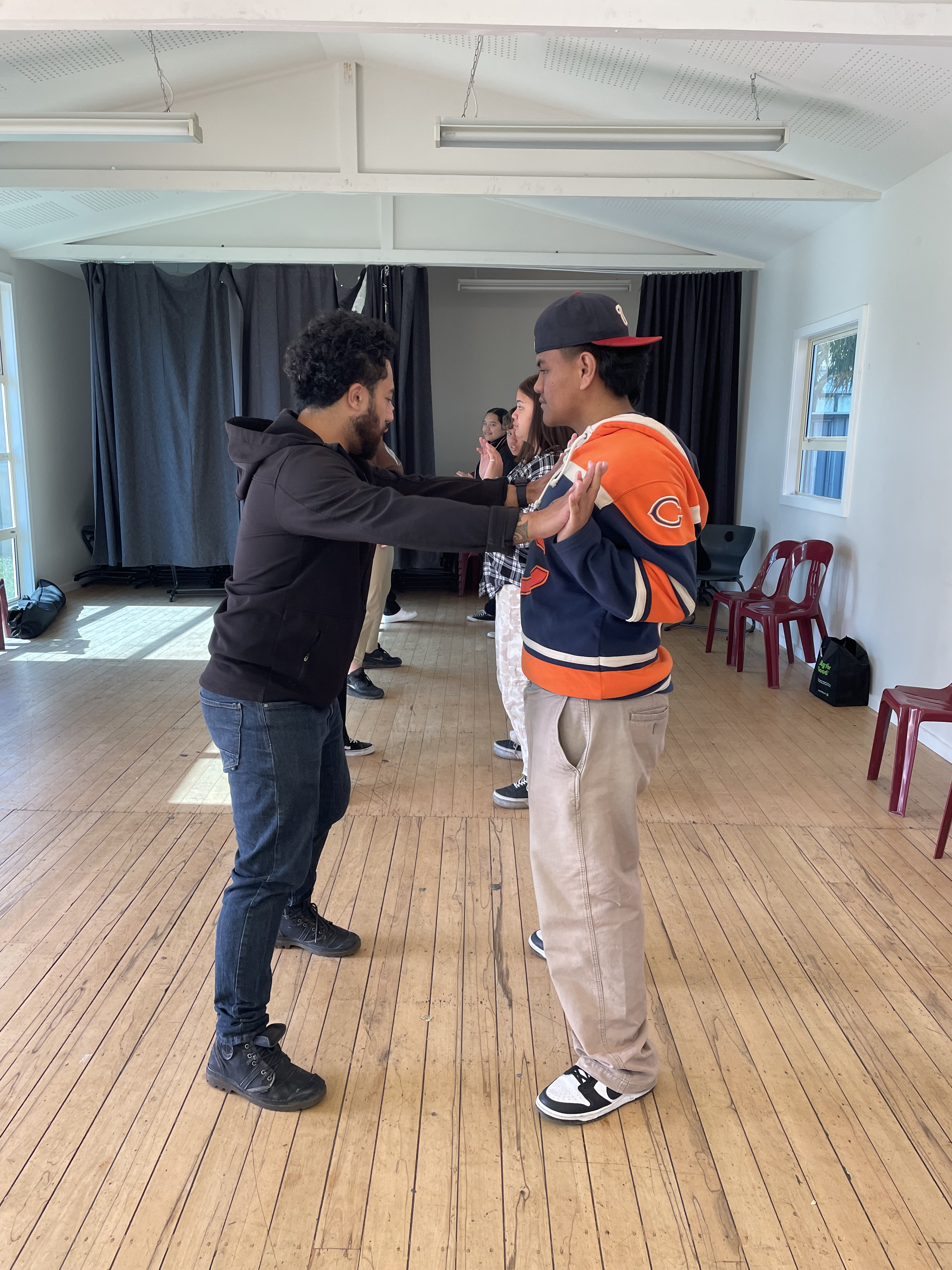

Rātū 27 o Mahuru
Today’s programme:
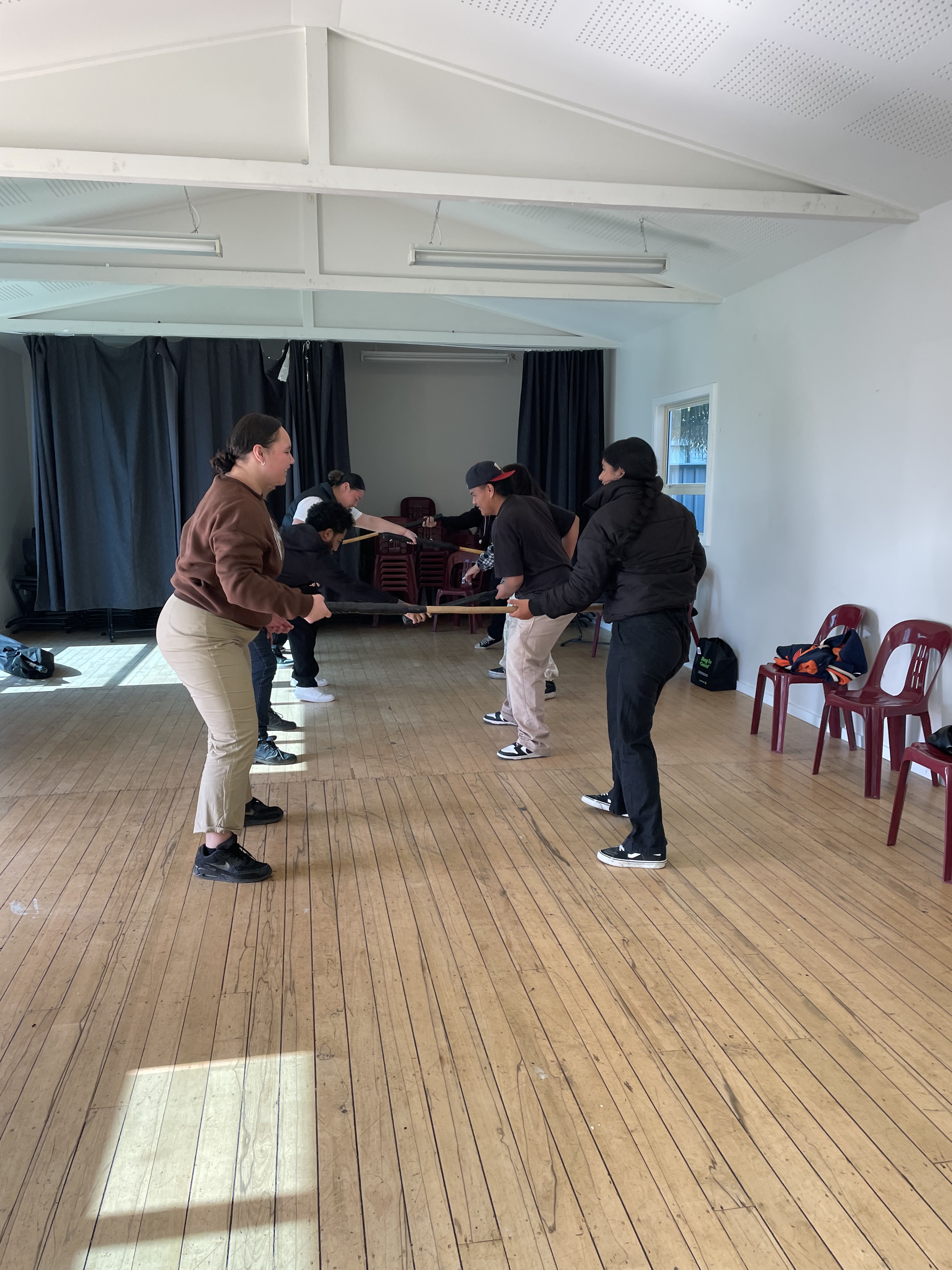
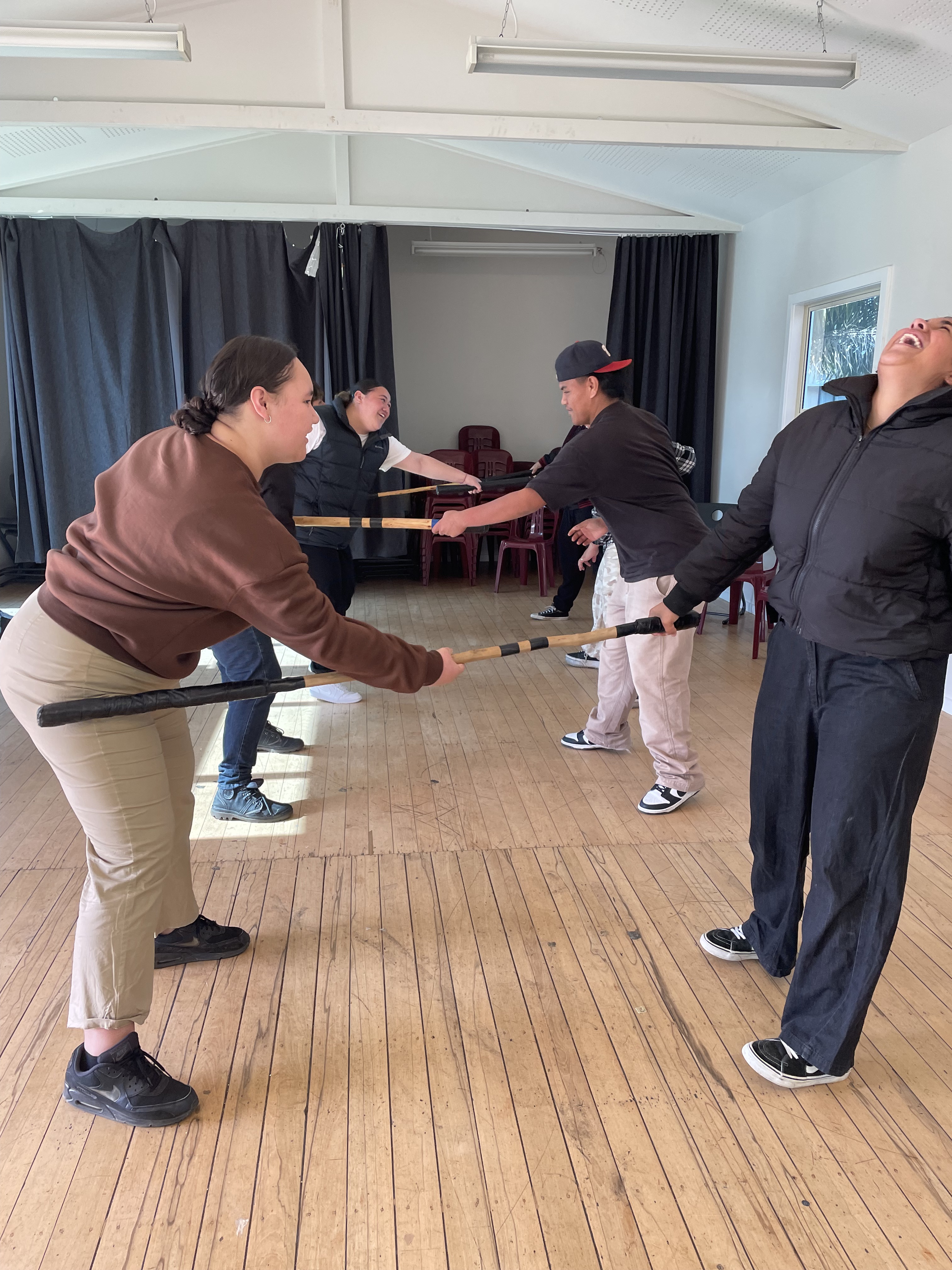
- Tauparepare hand games:
- Tauparepare, tautātā, ringa paki! – objective is to slap their hands while avoiding being slapped and can only move hands across
- Tauparepare, tautātā, tūpaia! – same objective as above but can only move hands forward and backward to avoid being slapped
- Tauparepare, tautātā, poutiriao! – same objective but with layered forearms, and must tumble arms to avoid being slapped.
- Tītī tōrea revision:
- Tītī tōrea poutuki! Tītī tōrea poutuki x2, ringaringa, pakihiwi, ringa whiua, ringa whiti
What Our Customers Are Saying
Woohoo: making friendships
Boohoo: nothing
Newhoo: stick game (mini sticks)
Kiki (Y12)
Woohoo: Ngā waewae nuku Māui, Matau Yin & Yang Ngā akoranga hou – Femenin , Masculine – Tī rākah kēmu (reflexes)
Boohoo: Ngā Kēmu
Newhoo: Yin and Yang Female atua to a Male atua
Talya (Y13)
Woohoo: Nga kemu
Boohoo: Nothing
Newhoo: That there was a female atua to balance every male atua
Miracle (Y13)
Woohoo: The free feed!
Boohoo: We don’t get credits
Newhoo: “It’s Gangsta to listen”!
Kelly (Y12)
Woohoo: Learning new skills, working along with cool and fun people, got out of school
Boohoo: Nothing, everything was really chill!
Newhoo: I never really understood what yin and Yang was until today. It taught me about the difference between feminine and masculine are but also partly how similar it is to each other.
Cerenity (Y12)
Woohoo: the food, and learning new games
Boohoo: no credits
Newhoo: everyone has a fem and masc side
Katrina (Y12)
Some Thoughts | Etahi Whakaaro
Ruapōtaka marae is part of our hapori and are a key stakeholder in the educational success of my ākonga Māori at Tāmaki College. In my Taku Ahi Tūtata conceptual framework, there are four kaitiaki o te ahi who must be in synchronicity in order to benefit from the warmth of the red zone. These include the hapori, hapū/iwi, tauira, and whānau. This conceptual framework is a constant reminder of my ‘who,’ ‘what,’ ‘when’, ‘where,’ and ‘how.’ When they offered the Kaupeka programme for our ākonga, I jumped at the opportunity. Forming and strengthening relationships with key community stakeholders is one of my main department goals.
Kaupeka, as a programme, is still in its infancy and is still being refined and reworked. It was lead by Matua Haven and Matua Tūmanako, who are both skilled in the arts of Te Whare Tū Taua, Ngā Mahi ā Te Rēhia and Ngā Mahi Atua. They are a wealth of knowledge and pūkenga. They, however, will not be leading the kaupapa going forward as they are both pursuing their own passions.
I am looking at helping the programme coordinator to refine the programme. This includes adding credits and an award ceremony at the end of the programme. Although the programme is amazing, they had missed the opportunity to use Tikanga, Whakaraka, Mau Rākau, and other Unit Standards to help incentivise their programme. It will allow ākonga to come out of the programme with something tangible, and it give their programme more leverage when promoting it to other kura in this rohe, especially the secondary kura. They may even want to run the programme over a longer period of time, rather than just seven weeks. These are discussions and wānanga that are taking place at present.
 Te Kōpaki a Ruiha Epiha