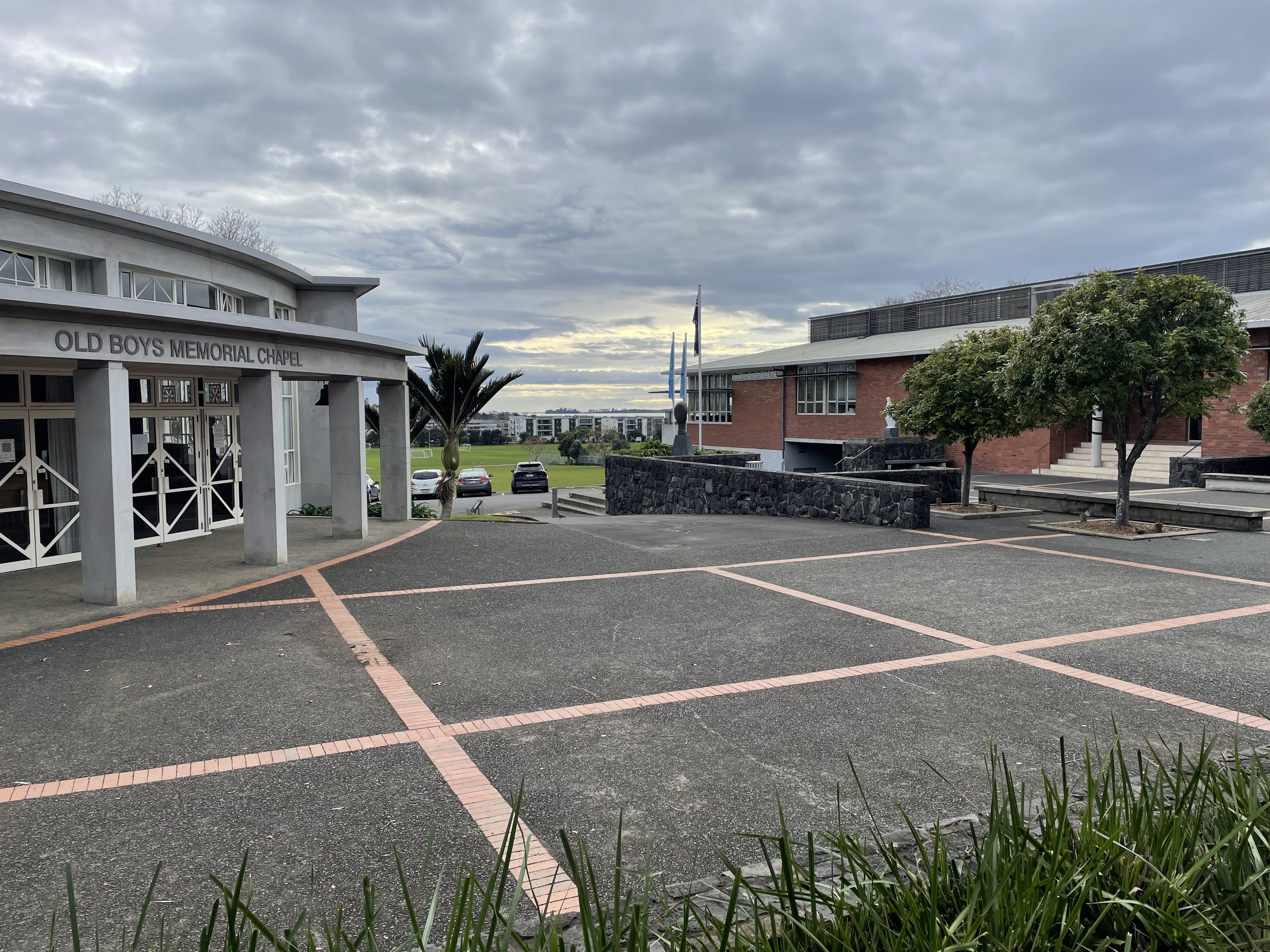
Observation of Sacred Heart College | Wednesday 10 August, 2022
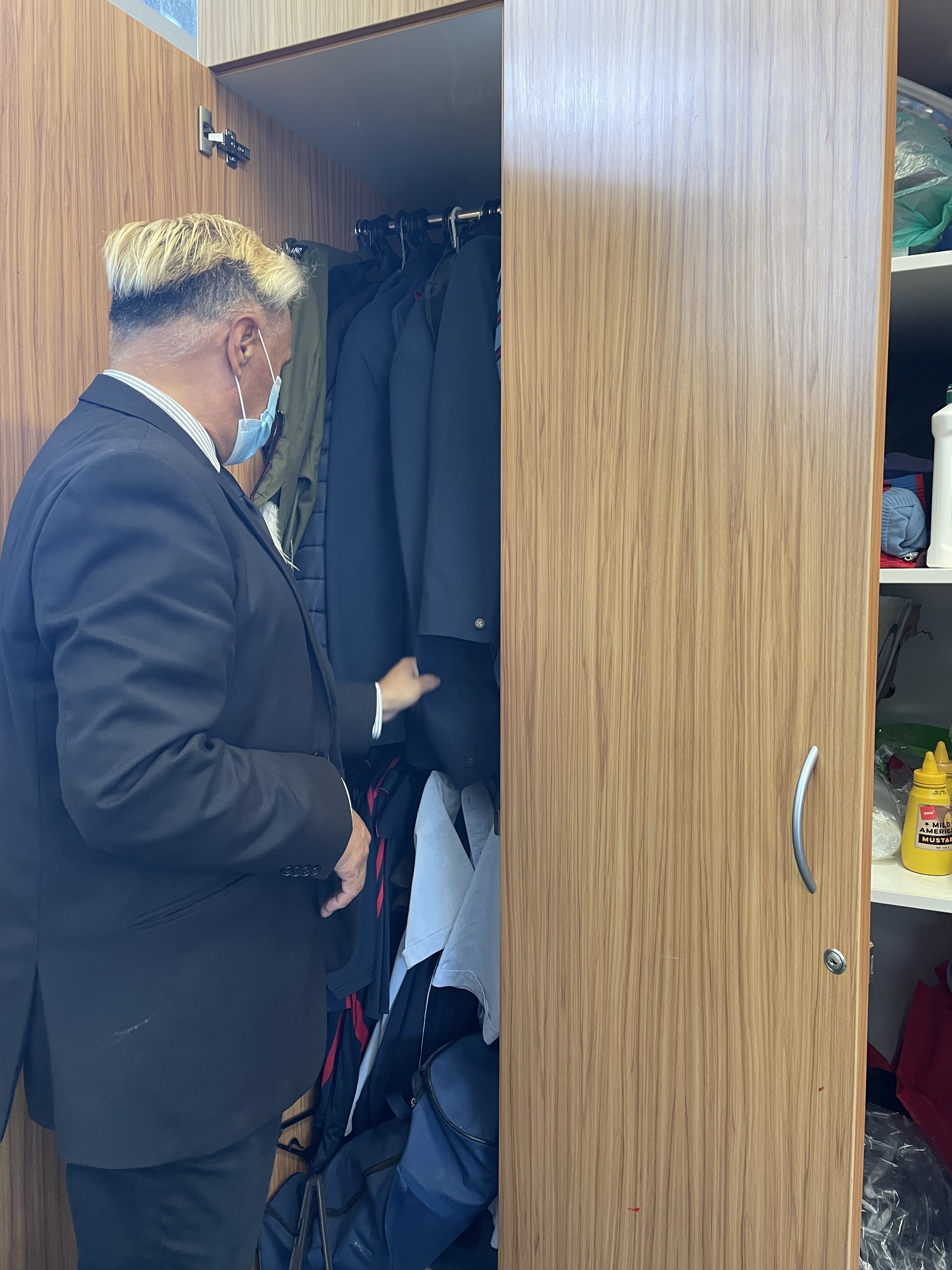
When I met Matua Ben, he was dressed to the nines with a black blazer, white pinstripe dress shirt, black tie, Prussian blue pants, and polished black dress shoes (see image below). Matua Ben carries himself and his tūpuna with dignity and pride. His warm smile and kind eyes made me feel at home, so much so that I sat at his heels for the remainder of the day while he taught his classes so I could talk and ask questions. I spent a whole day with Matua Ben at Sacred Heart College in his akomanga. Below are some of the observation notes I made.
Away School Visit #7
He Kaiako Auaha
Matua Ben Christie is a toka tū moana for his ākonga and school at Sacred Heart College where he has taught for almost 18 years. His iwi affiliations include Te Whānau-a-Apanui and Ngāti Kahungunu. Religiously, Matua is both Katorika and Ringatū.
I had the best day sitting at his rekereke (quite literally) just observing, asking pātai, and listening. I marvelled at his experience and knowledge, and particularly his creativity in his curriculum and assessment design. Nōku te whiwhi i whai wāhi atu ki tō Matua Ben taha.

Matua Ben
TŌNA MOMO
When observing his classes, I saw and felt the reciprocity of aroha between Matua and his ākonga. He commands the room with aroha, rangimārie, and whakapono, while still demanding work ethic, respect, and high expectations from his ākonga.
Kotahitanga and whanaungatanga were visible in the classes I have observed. Matua Ben stresses the importance of looking after each other and the importance of fostering good tuakana-teina relationships among his ākonga. These relationships are encouraged and built through shared kai, and the running of events and kaupapa. He would often put on kaitahi if his boys do well. For Matua Ben, “it is about looking after each other, and it’s also about sharing kai [breaking bread].” There is strong leadership and duty of care among the ākonga at Sacred Heart College.
What I love most is that nothing for Matua is given, but it is earned through hard work and faith. “The kids run everything” (Ben Christie, 2022). When there are kaupapa on, his kapa haka are there. Matua makes it clear that, “we’re not a dial-a-Māori group.” It is apparent that these tama are his main support network, just as my ākonga are mine.
As well as the above, Matua Ben is an adaptive, creative, and spiritual kaiako.
- Spiritual – As a devout Katorika, Matua is well attuned to the spiritual energy and needs of his ākonga. It is vital for Matua that the wairua of his ākonga are settled and ready for learning before he convenes his class. According to Matua, “if the wairua is right, you’re away.”
“if the wairua is right, you’re away”
Matua Ben Christie, 10 Aug 2022
- Adaptive -He knows that the last period on Wednesdays are the hardest in terms of ākonga motivation and engagement, therefore he factors this into his weekly planning and adapts it accordingly.
- Creative – An art teacher-turned-kaiako Te Reo Māori, Matua Ben uses his artistic skills to design exciting and creative units, lessons, and assessments that interweave hands-on mahi with theory.
Asked questions: why did they want to learn/why did they select te reo Māori?
Answers: to connect to my culture, learn more about the culture, heaps of credits, to be able to converse with my Māori speaking aunties
Ngā PŌTAE o te Kaiako Māori
Matua Ben wears many pōtae at Sacred Heart College, including:
- HOD Māōri
- Cultural adviser
- Looks after hostels
- Kapa haka tutor
- Checks on Māori Endeavour Scholarship recipients
- Support person for Māori in school students because they’re going to be the ones running the show soon
Ngā mahi me ngā rautaki ako
TAU | year 8
Ngā mahi a te rēhia, i.e., pōtaka
Pūrākau.
TAU | year 9
Homework is the Te Hikuwai (Cormack, 2010) book – hand in for marking by Matua.
Started this class with a ngohe whakarongo
Ngohe TUHITUHI 1 | Writing Task
Topic: Whakapapa
LO: “Ko wai?” questions; reinforce whanaungatanga vocabulary.
Draws a whakapapa chart of Raniera and Mere.
Asks the following pātai and ākonga write answers in their pukapuka:
Ko wai te māmā o Reweti?
Ko wai te teina o Reweti?
Ko wai te kuia o Pani?
Ko wai te whaea kēkē o Hari?
Ko wai te tuakana o Rewi?
Ko wai te koroua o Pani?
Ko wai te mātāmua o te whānau?
Ko wai ngā mokopuna a Raniera rāua ko Mere?
Ko wai te matua kēkē o Hari?
Kupu: māmā, teina, kuia, whaea kēkē, tuakana, koroua, mātāmua, mokopuna, matua kēkē
Ngohe Whakarongo 2 | Drawing Dictation Task
Topic: Te Maunga
LO: simple rerewāhi “Kei…,” simple tūwāhi and tūingoa.
Draws a maunga in the middle of a frame and starts his dictation:
“kei te taha matau o te maunga e rua ngā rākau, kei te taha mauī o te maunga he whare karakia, kei runga he kapua, kei raro he awa, kei roto i te awa e toru ngā ika, kei runga i te awa he waka.
Kupu: taha matau, taha mauī, runga, roto, raro, maunga, whare karakia, kapua, awa, ika, waka.
TAU | year 10
Assessment task/topic: Whakarongo/Tā Moko
Started this class with a ngohe whakarongo.
Ngohe Whakarongo | Drawing Dictation Task
Topic: Te Ara ki te Kura
LO: simple rerewāhi “Kei…,” simple tūwāhi and tūingoa.
He draws a path from home to school on the whiteboard and starts his dictation:
“kei te taha mauī e whā ngā rākau, kei te taha matau he whare, kei te taha mauī he waka rererangi, kei te taha matau he awa, kei runga i te awa e rima ngā rakiraki.”
Kupu: awa, maunga, taha mauī, taha matau, manu, rākau, rakiraki and waka rererangi.
TAU | year 11
This class is working on the completion stage of their Kōrero portfolio.
Ākonga are sent outside to do their kōrero recordings.
working on their Kōrero and Whakarongo portfolios. Year 12 ākonga were focussing on their Kōrer
TAU | year 12
Mixed with Year 13 class.
Assessment task/topic: Kōrero/Persuasive speech.
Ākonga sent outside to do their kōrero recordings.
TAU | year 13
Mixed with Year 12 class.
The Year 13 class were a bit unsettled and tired. He was awesome an settling his class.
Assessment task/topic: Whakarongo/Karanga.
Brainstormed as a class the meaning of karanga and whaikōrero.
Matua Ben breaks down the meaning of pōhiri and manuhiri. Matua Ben links pōhiri to pūrākau. Discusses the sequence of who is mentioned-greeted in mihi and karanga.
When men went to war no one to karanga – our reo and tikanga took a heavy blow during the land wars, then two more times during the World Wars – we were constantly adapting and evolving as a result, women were forced to take on male roles (me whakatāne au i ahau).
Ākonga work independently ont their mahi and are asked to find their own mateirals and share them into the google drive folder to prepare for the whakarongo assessment
Reflection notes:
The thing I noticed about the above observations and other school observations is that all the fun stuff happens in the junior classes. When it gets to the senior classes, it’s all about assessments. Other observations I made in Matua Ben’s class is that the ākonga know the routine and tikanga in his akomanga. Ākonga know to grab a pen and open their pukapuka and chromebooks. Ākonga know to do karakia, waiata, and mihi at the start of class. Matua Ben himself teaches mostly from the front as he teaches using his whiteboard. He also moves around to check on his ākonga.
One thing he does with his classes that I would like to try is that they have Mahuru Māori on Tuesdays and Thursdays where they only kōrero Māori (as best they can). I love this! The emphasis he said is on meaning-making, not correct structure because that comes later when they understand and can use simple structures in their interactions with one another in class.

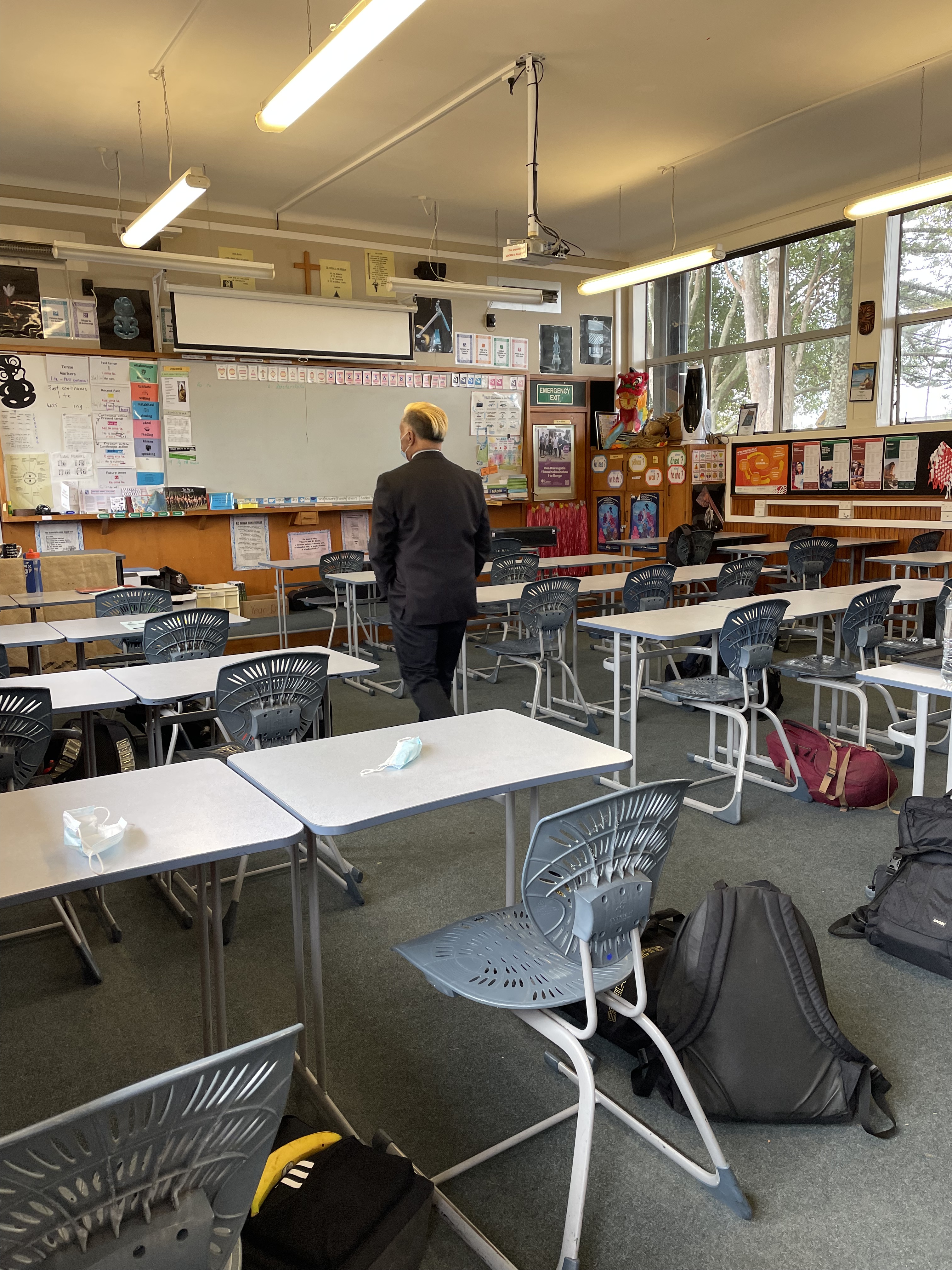
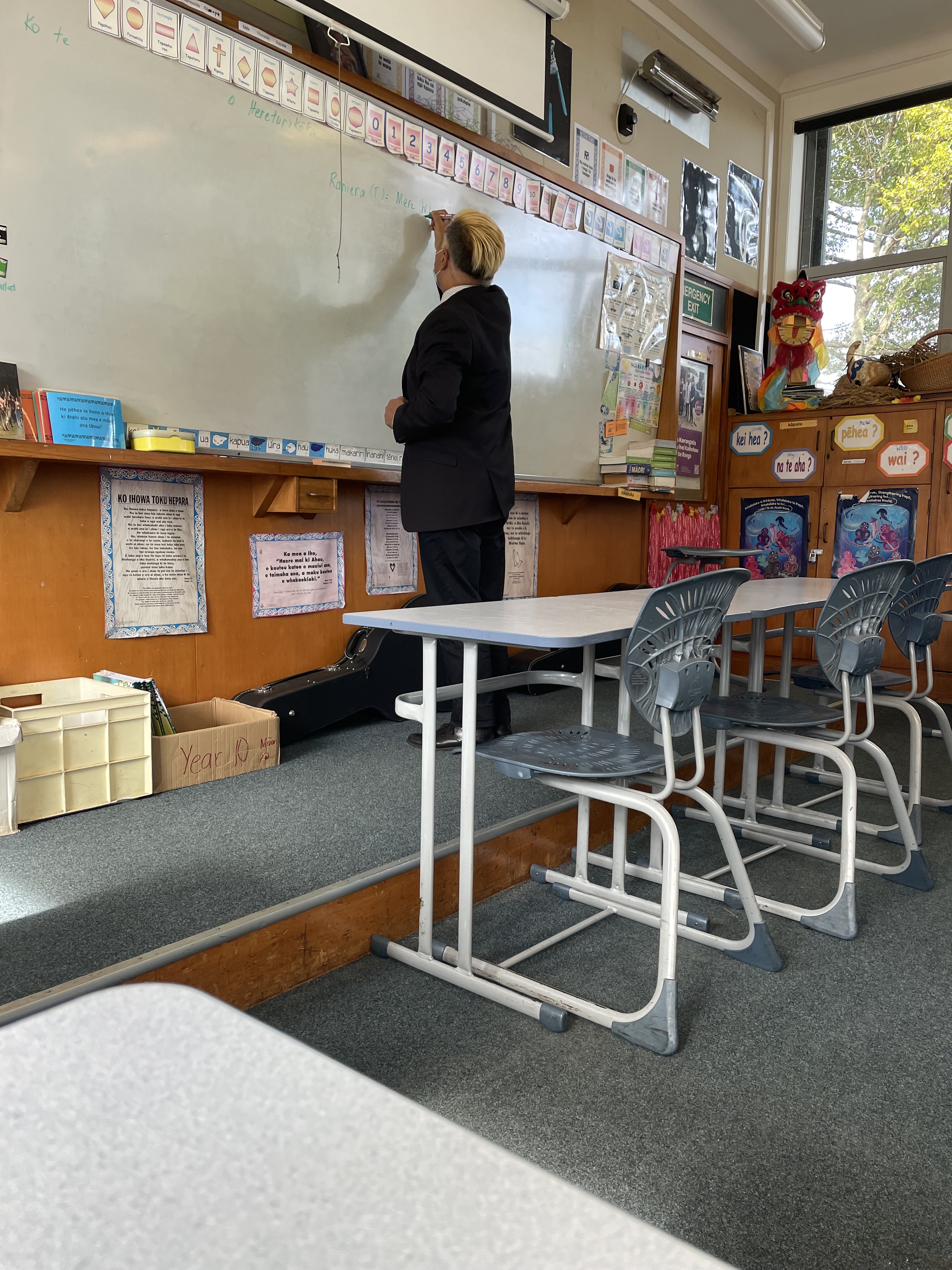
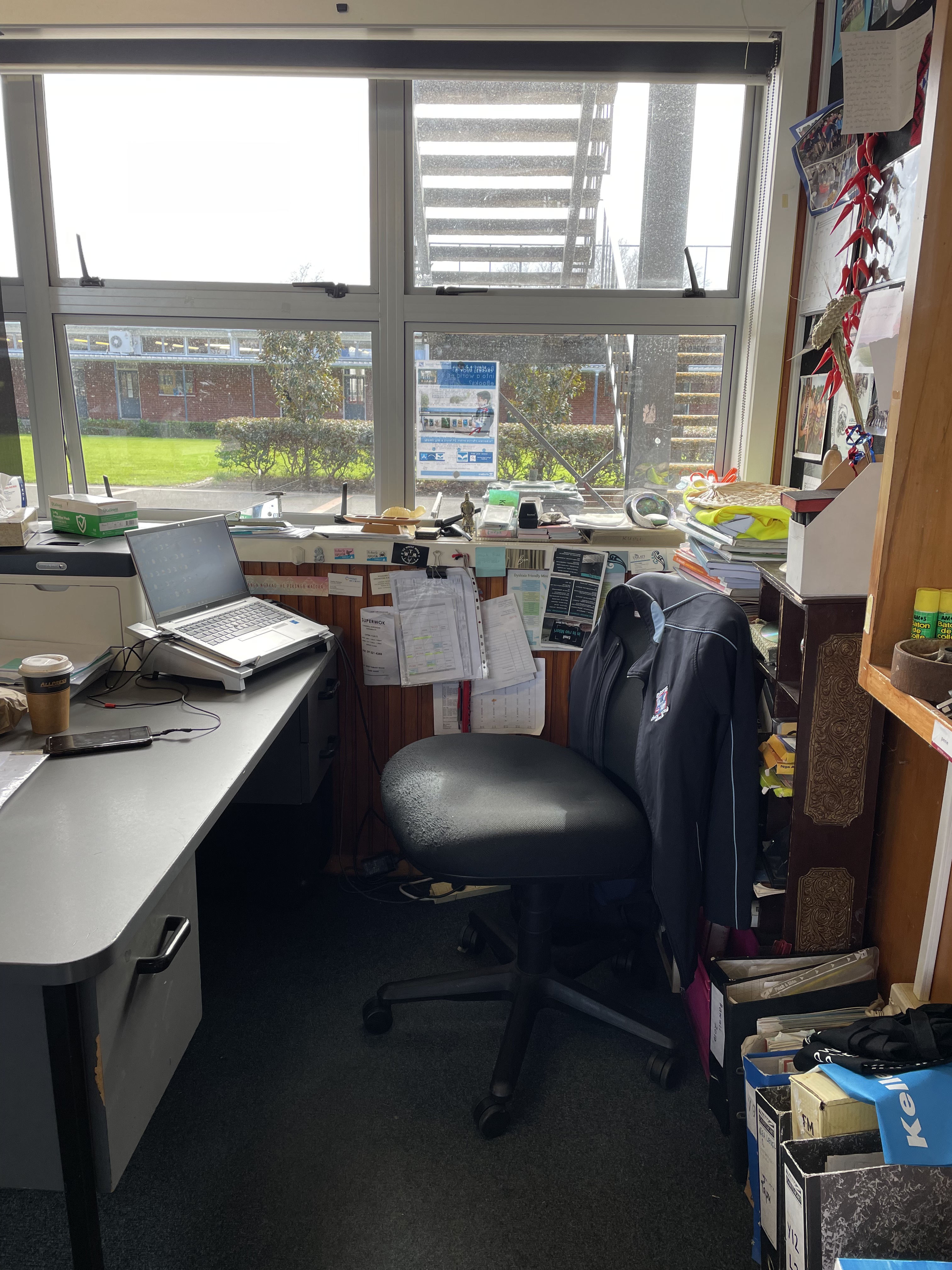
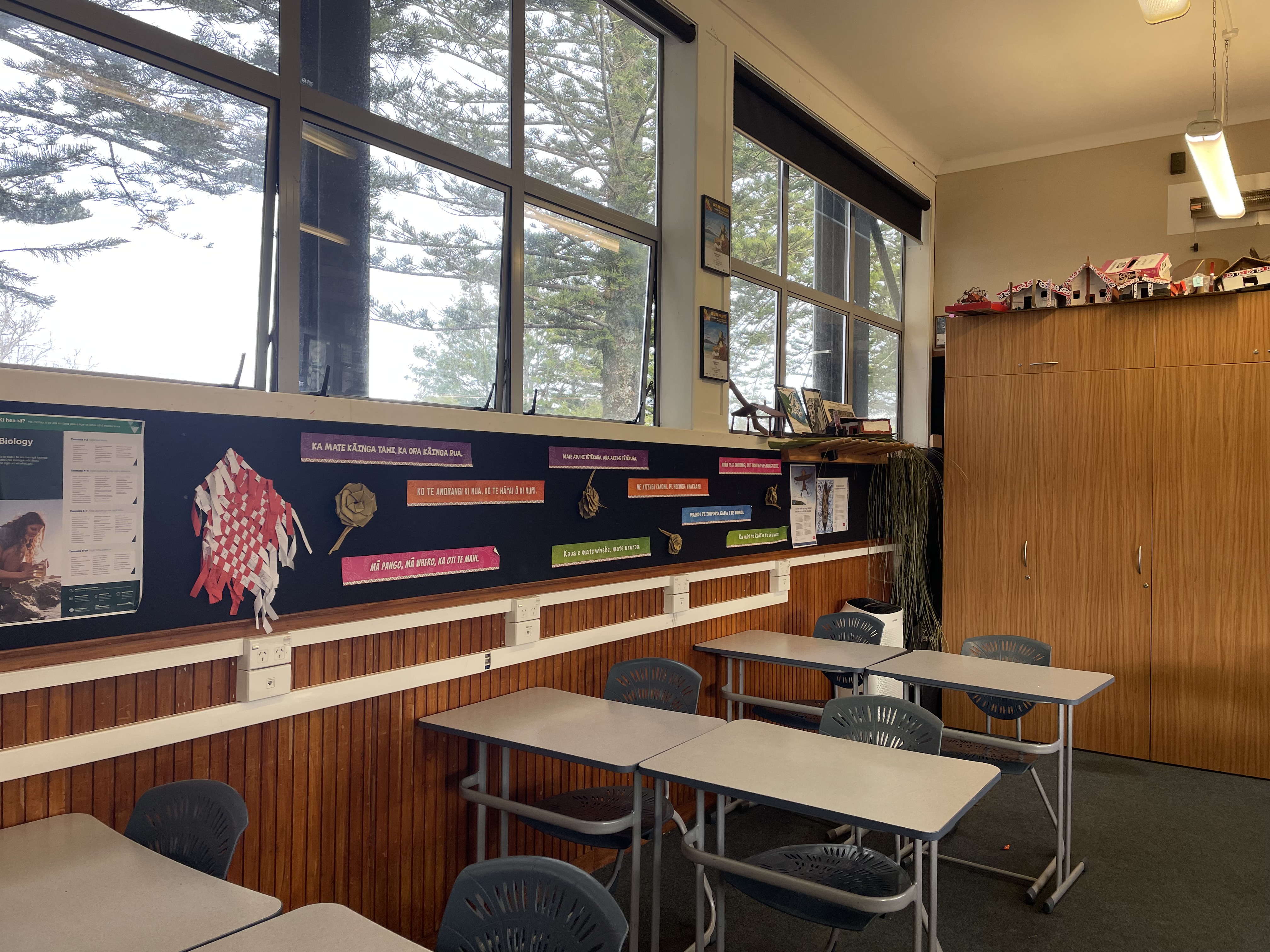
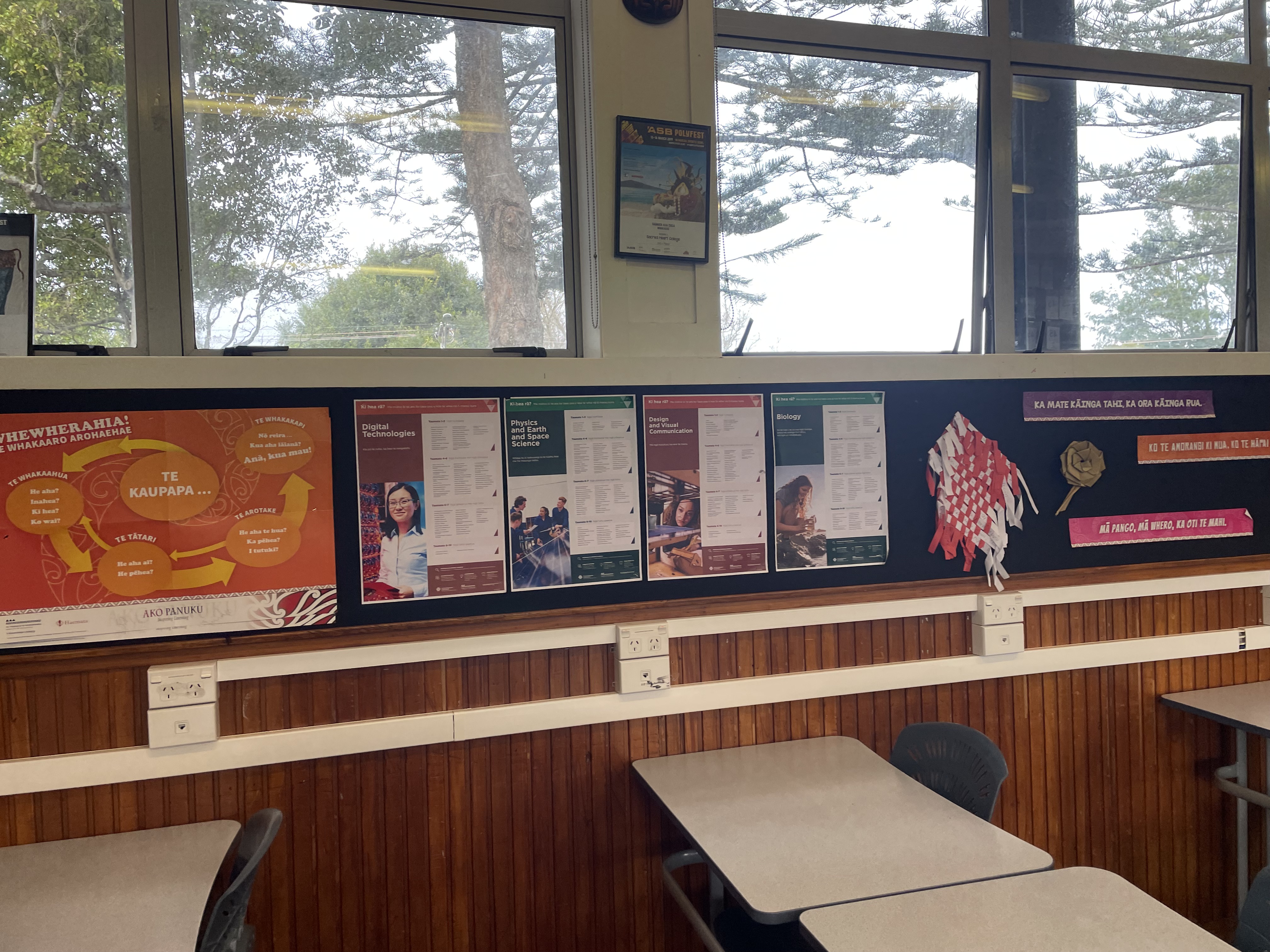

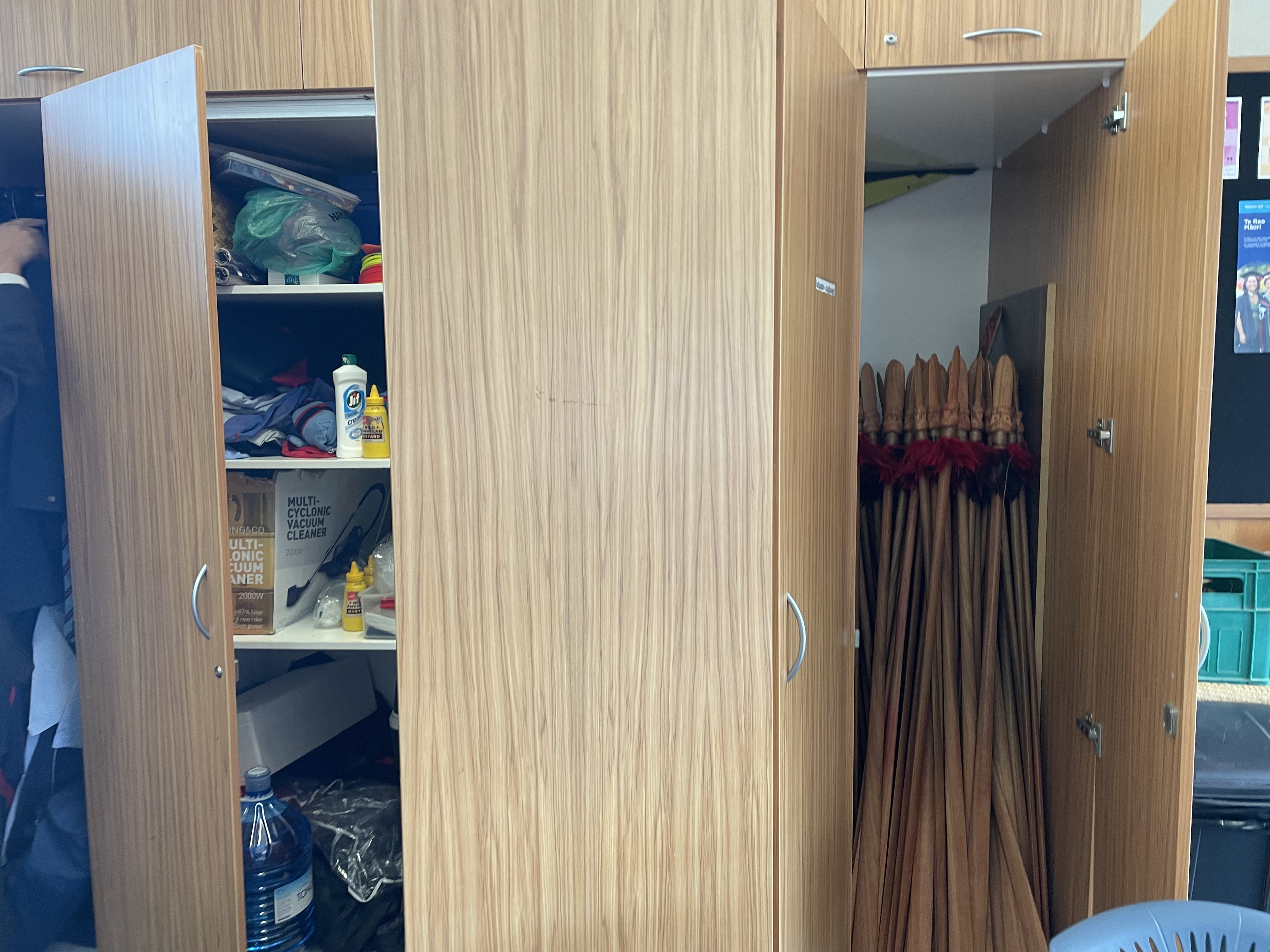
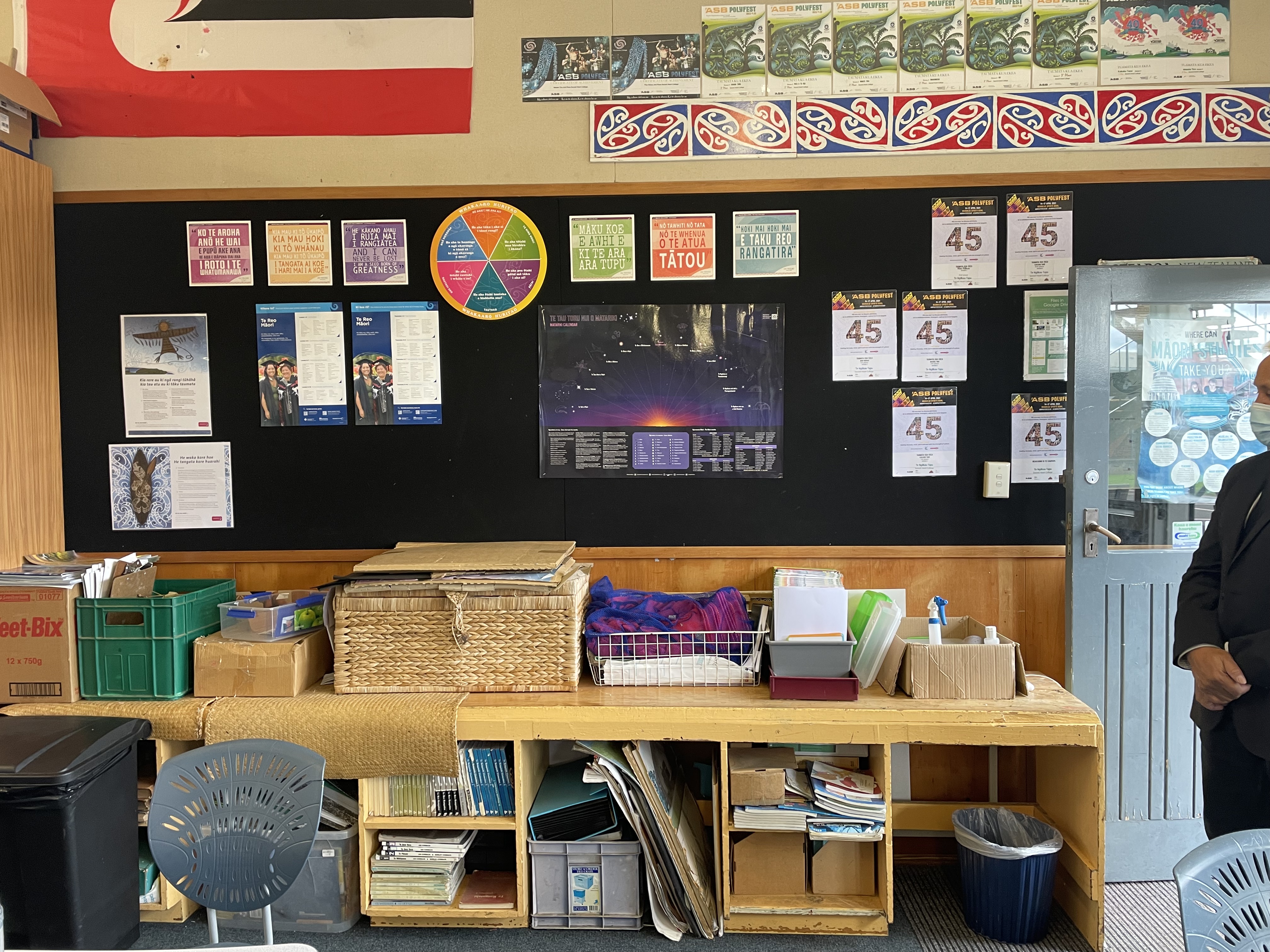
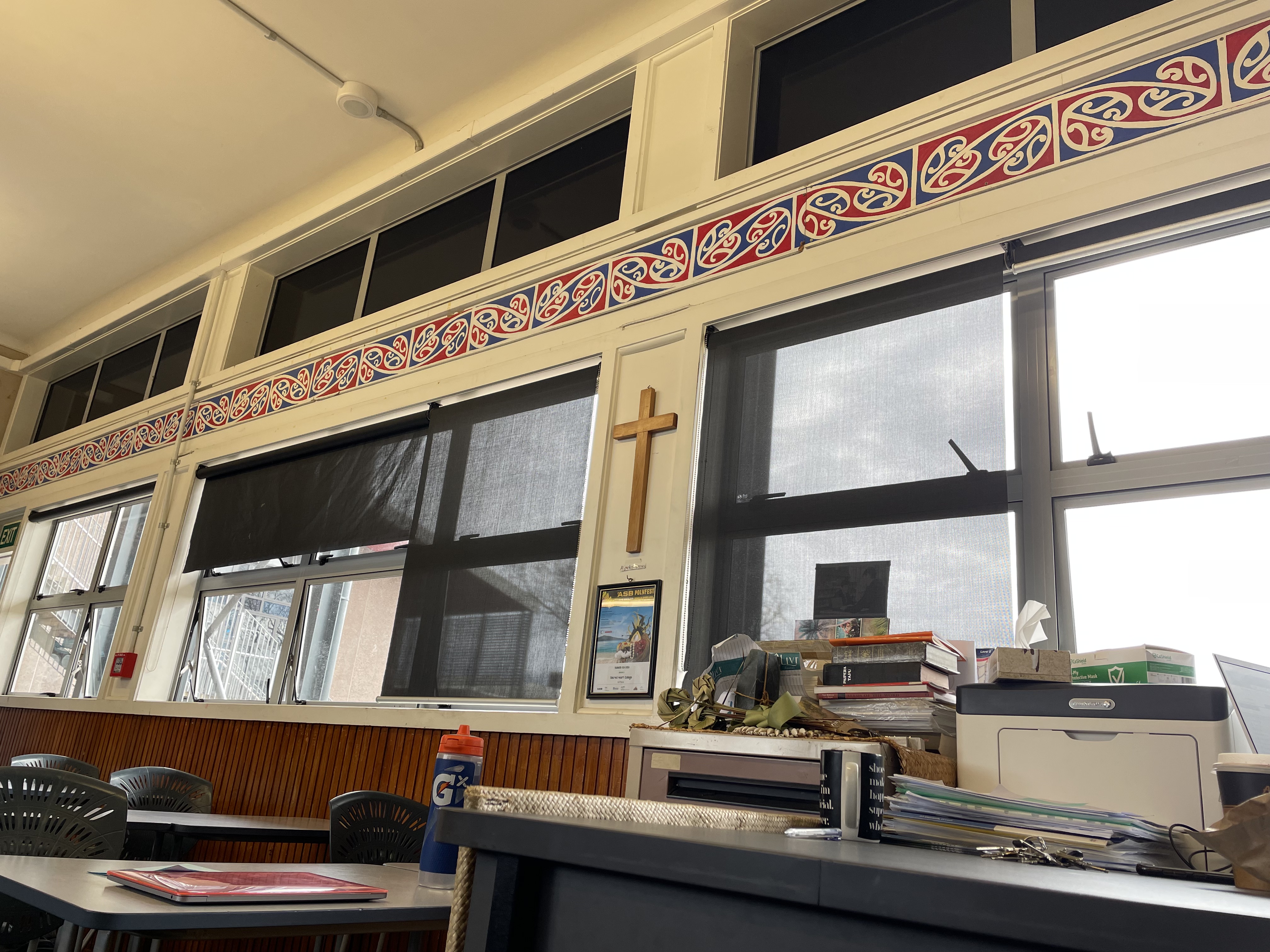
DISPLAY VS INTERACTIVE DISPLAY
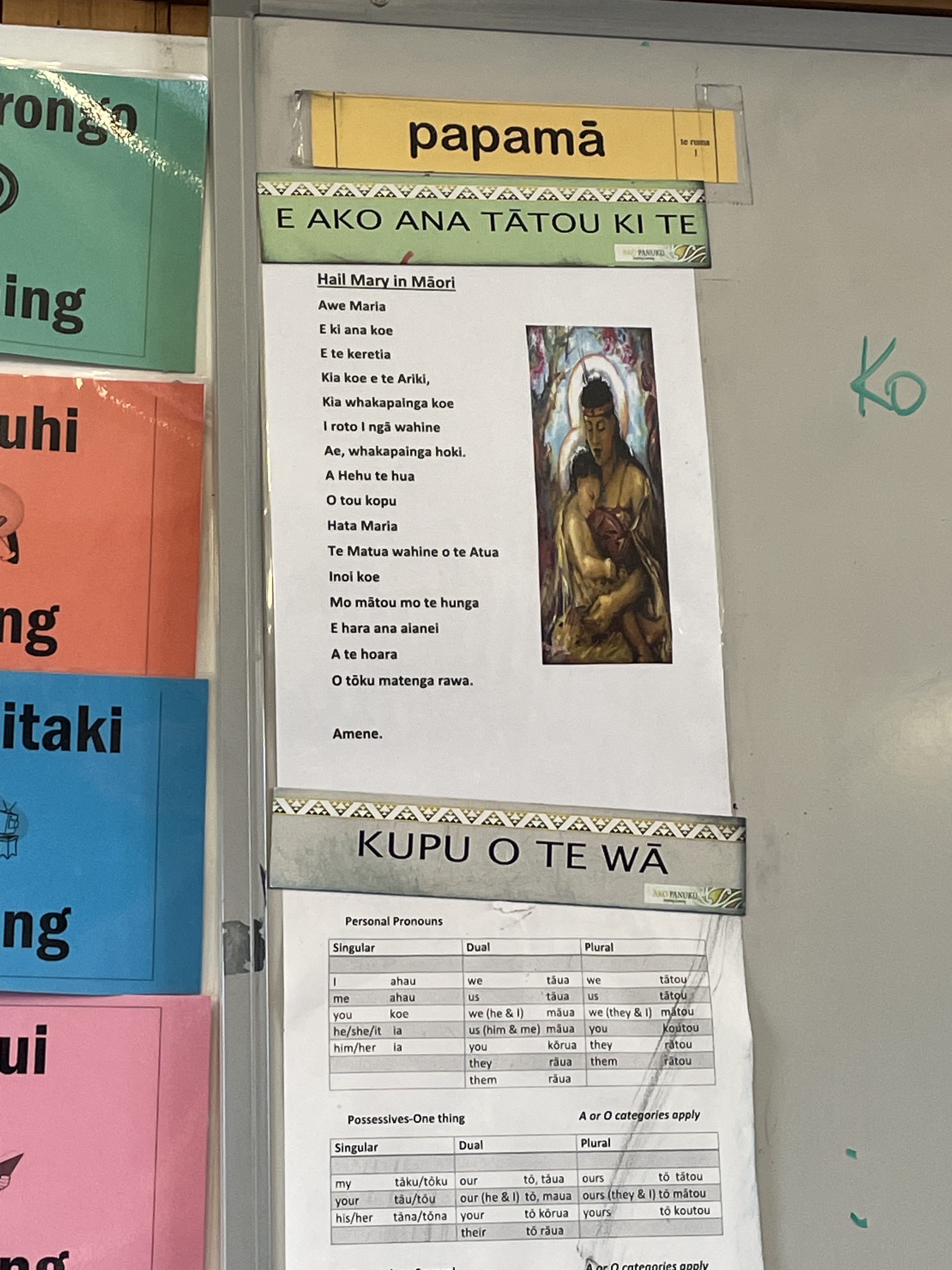
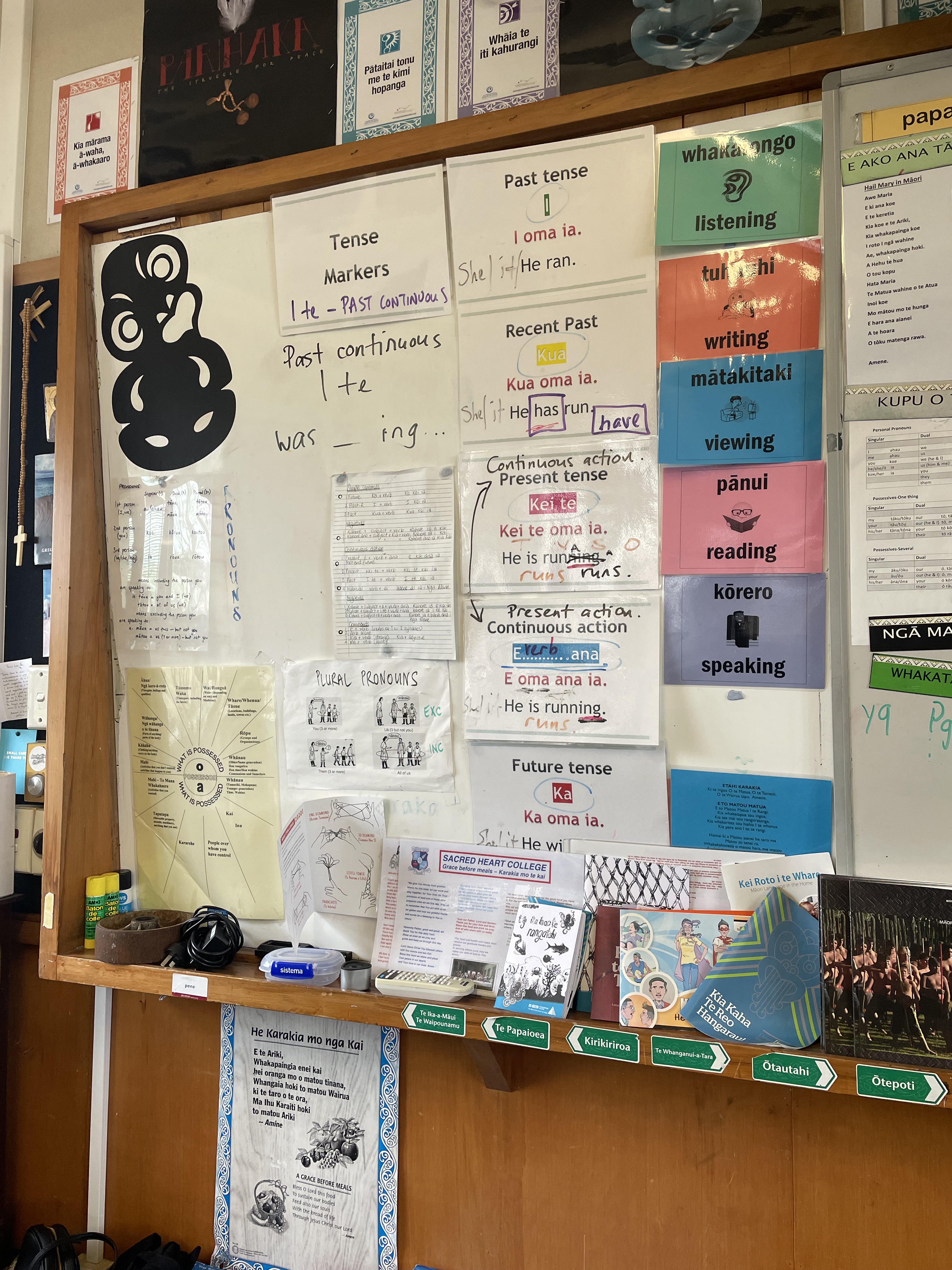
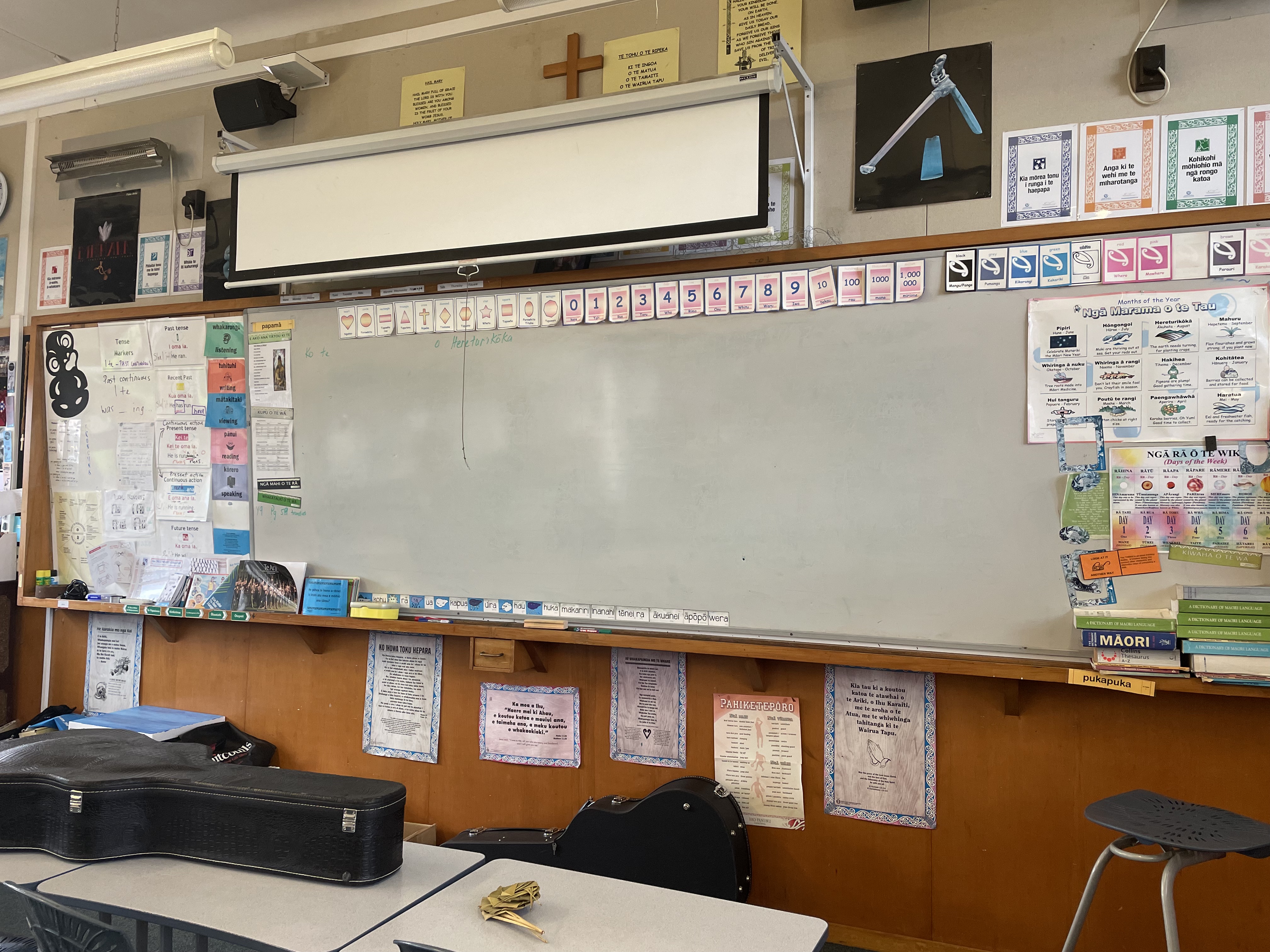
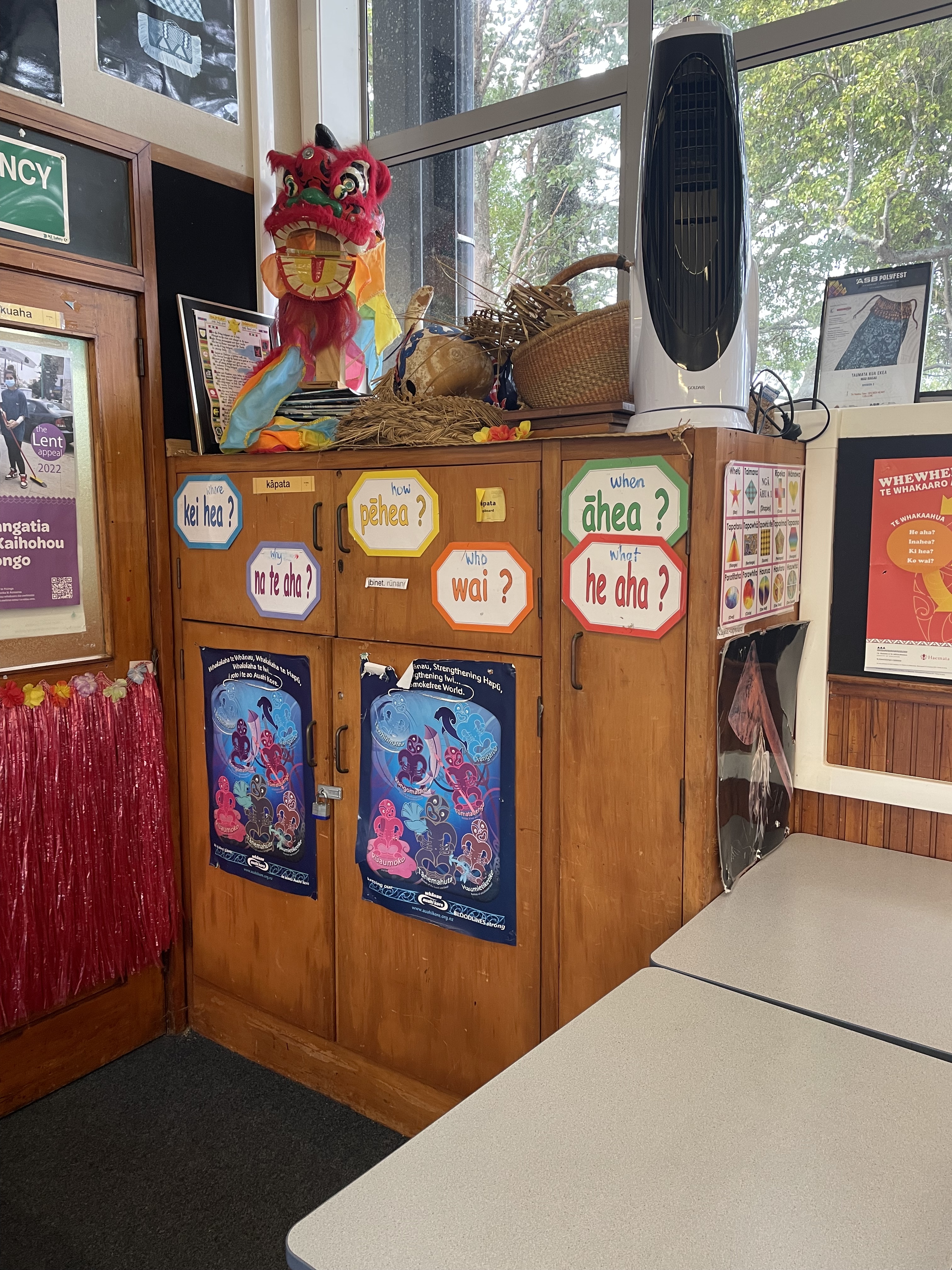
One of the objectives of my observations is to take note and pictures of what kaiako Te Reo Māori display on their walls and how. Often times, there is no rhyme or reason to the displays I have seen, nor how they are arranged. But, it is still good to see the displays to generate ideas and to ask where they were sourced (i.e. Ako Panuku, Core Education, they made them). I am really picky with what goes on my walls. I have to be smart with my space because it is very small in comparison to Matua Ben’s akomanga.
The displays on my walls must be an extension of my teaching resources and practice. I do not want them to be merely displays, but to be interactive displays. They must serve a purpose, other than being visuals of te reo. I use my walls to help teach my classes. I had observed a few of my ākonga looking to the walls for help when I would ask them questions about wetereo and things like the time, day, month, etc. The displays on my wall are often topics that we are covering, words, structures that I need to help fill the gaps.
I really like the wharenui models he and his junior classes did, which are displayed above the storage kāpata. I endevaour to do wharenui models with my ākonga, however, due to my very limited class and display space, it would have to be a group project.
AKOMANGA AREAS OF INTEREST
- The area of the whiteboard where there were sentence structure posters, and the class karakia. I observed the kaiako at Puna Wairua also use their whiteboard in a similar fashion where they tacked some posters on their whiteboard to teach the types of kupu, e.g. tūingoa, tūmahi, etc.
- The colourful question word posters in the corner of the room (right of the whiteboard). I often have to revisit question forms and words with ākonga, so these would be useful for my walls.
- At the back of the room is a bench with loads of rauemi, including the Rangatahi series and other golden oldies, he also had numerous copies of the Te Hikuwai and Te Wahapū series by Ian Cormack. Tau 9 ākonga are given individual copies of the latter two rauemi as homework books. Pending budget status, I may provide pukapuka (Cormacks’ 2010 and McKinnon’s 2016) for all my year levels next year.
rauemi
What rauemi does Matua use?
- Matua uses his whiteboard to teach.
- Google Classroom – according to Matua the ākonga like using both GC and their pukapuka.
- Writing books
- Education Perfect
- Ian Cormack – Te Hikuwai (2010) and Te Wahapū (2011)
- P. M. Ryan – Te Raupō Dictionary of Modern Māori (2009)
Asked some ākonga: Why did you select Te Reo Māori?
“to connect to my culture”
Ākonga A (Māori)
“learn more about the culture”
Ākonga E (non-Māori)
“heaps of credits”
Ākonga H (Māori)
“to be able to speak to my Māori speaking aunties”
Ākonga K (Māori)
 Te Kōpaki a Ruiha Epiha